
Last updated: July 2026
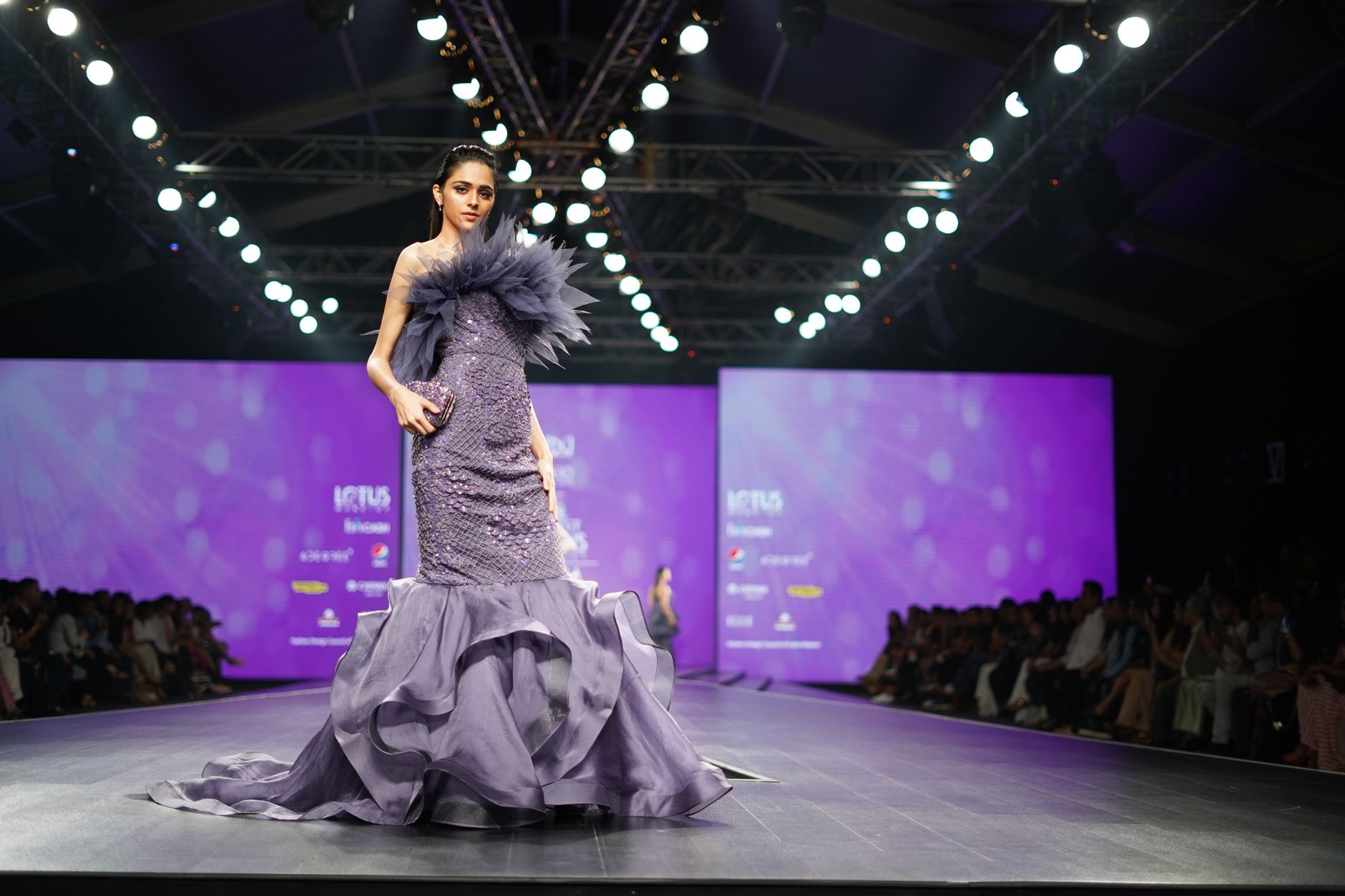
Yes, runway photos are copyrighted. The photographer who takes the image automatically owns the copyright the moment they press the shutter, not the designer or fashion house hosting the show. This means photographers control reproduction, distribution, and commercial use of their runway images, even though they captured someone else’s creative work on the catwalk. Designers must obtain permission or a license to use runway photos for marketing, social media, or press kits.
Who Owns the Copyright in Runway Photography?
Copyright in a runway photograph belongs to the photographer, not the fashion brand. Under copyright law in most jurisdictions, including the United States, European Union, and United Kingdom, the creator of an original work owns it automatically upon creation. No registration is required for protection to take effect.
A runway photograph is the photographer’s original creative work. The photographer makes choices about composition, lighting, angle, timing, and framing. These creative decisions mean the photograph qualifies as an independent copyrightable work, separate from the garment or collection being photographed.
Fashion houses and designers own the copyright in their garment designs (where applicable under design law). But they do not automatically own photographs of those designs taken by others. This creates a dual-layer rights situation at every fashion show.
What Rights Do Photographers Have Over Runway Images?
Runway photographers hold the exclusive right to reproduce, distribute, display, and create derivative works from their images. This means only the photographer (or someone they license) can legally publish the photo, sell prints, upload it to social media, or use it in advertising.
If a fashion brand wants to share a runway photo on Instagram, in a press release, or on their website, they need permission from the photographer. Many photographers license images to brands, wire services, and publications. Others retain exclusive control and monetize through agencies like Getty Images or direct licensing.
Photographers can also enforce their rights. Unauthorized use can trigger DMCA takedown notices, cease-and-desist letters, or lawsuits seeking damages and injunctions.
Can Designers Use Photos of Their Own Collections?
Designers cannot freely use runway photos of their own garments without the photographer’s consent. Even though the designer created the clothing, the photographer created the photograph. Copyright protects the photograph as a separate artistic work.
Most major fashion houses address this through advance licensing agreements. Photographers accredited for a runway show often sign contracts granting the brand limited usage rights. These agreements specify where, how long, and in what context the brand can use the images.
For photographers who shoot shows without a formal agreement (including street-style and independent photographers), the copyright remains entirely with them. Designers who want to use those images must negotiate a license after the fact.
How Do Runway Photo Licensing Agreements Work?
Licensing terms for runway photography vary widely. Some photographers grant broad licenses in exchange for access and accreditation. Others retain all rights and charge per use.
Common licensing models include the following. Brands may receive complimentary limited-use licenses for PR and editorial purposes for a set period (often 30-90 days post-show). Commercial use, including advertising and e-commerce, typically requires additional fees. Exclusive buyouts, where the brand gains full ownership, command premium pricing but remain rare.
Wire services and agencies often operate under different arrangements. Getty Images, for example, licenses runway images from shows where they hold credentials, splitting revenue with photographers or working on assignment.
| License Type | Common Uses | Typical Duration | Cost |
|---|---|---|---|
| Editorial Only | Press releases, media coverage, reviews | 30-90 days | Often complimentary with accreditation |
| Social Media | Brand Instagram, Facebook, TikTok posts | Varies (often 1 year) | Negotiable, sometimes included in editorial |
| Commercial | Advertising, e-commerce, billboards | Specific campaign period | Fee-based, varies by scope |
| Exclusive Buyout | All uses, photographer relinquishes rights | Perpetual | Premium pricing |
Are There Exceptions or Fair Use Defenses?
Fair use may apply in limited situations, but it is a narrow and context-specific defense. In the United States, courts weigh four factors: purpose and character of the use, nature of the copyrighted work, amount used, and effect on the market.
News reporting and commentary typically qualify as fair use. A fashion blog reviewing a runway show can often use a runway photo for criticism or commentary without permission. However, a designer posting the same image to promote their collection is commercial use, not fair use.
Many fashion brands avoid relying on fair use. The doctrine is unpredictable and expensive to litigate. Instead, they commission their own photographers, negotiate licenses, or use stock imagery.
In the European Union, exceptions for quotation and news reporting exist under the InfoSoc Directive, but they are similarly narrow and member-state specific.
What About User-Generated Content and Social Media Reposts?
When attendees or influencers photograph a runway show and post to social media, they own copyright in their photos. If a brand wants to repost user-generated runway content, it should obtain permission, even if the content features the brand’s designs.
Some brands include language in event invitations or accreditation agreements asserting rights over attendee photos. The enforceability of these terms varies by jurisdiction and has not been widely tested in court. Best practice remains to ask permission before reposting.
Instagram’s terms of service grant the platform broad licenses, but they do not transfer copyright ownership between users. A brand reposting someone else’s runway photo without permission still risks infringement, even on Instagram.
Do Runway Models Have Any Rights in These Photos?
Models generally do not hold copyright in runway photos, but they may have other legal protections. Copyright belongs to the photographer. However, models hold personality and publicity rights in many jurisdictions.
Personality rights prevent unauthorized commercial use of a person’s likeness. A photographer who owns copyright in a runway image might still need the model’s consent to license it for advertising. Editorial and news uses typically do not require model consent, but commercial endorsements do.
Model release forms signed before runway shows often address these issues. Professional models working through agencies usually sign broad releases as part of their casting agreements. Independent models may retain more control.
How Can Brands Protect Themselves?
Fashion brands should implement clear rights-management policies before hosting or participating in runway shows. Accreditation contracts with photographers should specify what usage rights the brand receives in exchange for access.
Commissioning official show photographers under work-for-hire agreements ensures the brand owns the copyright. In the United States, work-for-hire applies when a photographer is an employee or when a written agreement explicitly states the work is made for hire. Other jurisdictions have different rules (for example, the UK requires an employer relationship or signed assignment).
Brands should also track where their runway images appear. Reverse image search tools can identify unauthorized use by third parties, enabling enforcement.
How Do Photographers Protect Their Runway Images?
Photographers should register their runway photos with the relevant copyright office. In the United States, registration is required before filing an infringement lawsuit and enables statutory damages. EU photographers benefit from automatic protection, but registration systems exist in some member states.
Watermarking is common but not legally required. Visible watermarks deter casual infringement. Metadata embedded in image files can also prove ownership.
Photographers should send takedown notices for unauthorized use and consider joining licensing platforms that monitor and monetize image usage. Agencies like Launchmetrics and specialized fashion photography collectives offer enforcement services.
What Happens if Someone Uses a Runway Photo Without Permission?
Unauthorized use of a copyrighted runway photo constitutes infringement. The photographer can demand the image be taken down, negotiate a retroactive license, or sue for damages.
In the United States, statutory damages for registered works range from $750 to $30,000 per infringement, or up to $150,000 for willful infringement. Actual damages (lost licensing fees and profits from infringement) are an alternative remedy. Courts can also award attorney’s fees to prevailing plaintiffs.
Most disputes settle. Brands caught using images without permission often pay a settlement fee and remove the image. Litigation is expensive and typically reserved for repeated or high-value infringements.
Are Runway Photos Copyrighted in All Countries?
Copyright protection for runway photos exists in nearly all countries, thanks to the Berne Convention. This international treaty requires member countries (over 180 nations) to recognize copyright in creative works, including photographs, without formalities.
Specific rules vary. Duration of copyright, moral rights, and enforcement mechanisms differ. In the United States, copyright lasts for the life of the photographer plus 70 years. European Union countries follow a similar term. Registration requirements, fair use exceptions, and damages calculations are jurisdiction-specific.
Photographers and brands operating internationally should understand the laws in each relevant market. A license valid under US law may not cover all uses in France, for example.
Key Takeaways on Runway Photo Copyright
Runway photos are copyrighted works owned by the photographer who takes them. Fashion designers and brands do not automatically have the right to use photographs of their own runway shows. Licensing agreements, work-for-hire contracts, and accreditation terms determine who can use runway images and how. Are runway photos copyrighted? Absolutely, and understanding these rights is essential for photographers, designers, and brands navigating the fashion industry.
Frequently Asked Questions
Can I post a runway photo on Instagram if I credit the photographer?
No, crediting the photographer does not grant you permission to use their copyrighted image. Copyright is the exclusive right to reproduce and distribute a work. You must obtain a license or rely on a legal exception like fair use, which is narrow and fact-specific. Always ask permission before posting someone else’s runway photo, even with credit.
Does a fashion brand own photos taken at its own runway show?
No, the brand does not automatically own photos taken at its show. The photographer who takes the image owns the copyright unless there is a written agreement transferring rights, such as a work-for-hire contract or license. Brands must negotiate usage rights with photographers, even for images of their own designs on their own runway.
What is the difference between copyright in a garment and copyright in a runway photo?
Copyright in a garment protects the design itself (though fashion copyright is limited in many jurisdictions). Copyright in a runway photo protects the photograph as a separate creative work. The photographer owns rights to the image, and the designer owns rights to the garment design. Both copyrights can exist simultaneously and independently.
Do I need permission to use a runway photo for a fashion blog review?
It depends. If your use qualifies as fair use (criticism, commentary, news reporting), you may not need permission. Fair use analysis considers purpose, nature, amount, and market effect. Editorial reviews often qualify, but promotional or commercial uses do not. When in doubt, seek permission or use licensed stock images to avoid infringement risk.
How much does it cost to license a runway photo?
Licensing fees vary widely based on usage, exclusivity, territory, and duration. Editorial uses may be complimentary or low-cost. Social media licenses range from free (as part of accreditation) to hundreds of dollars. Commercial and advertising licenses cost significantly more, potentially thousands of dollars. Exclusive buyouts command premium pricing. Contact the photographer or their agency for specific quotes.
FASHION LAW JOURNAL INSIDER
Join designers, brand founders and fashion lawyers who get the biggest brand battles, IP fights and career moves in fashion law, straight to their inbox.