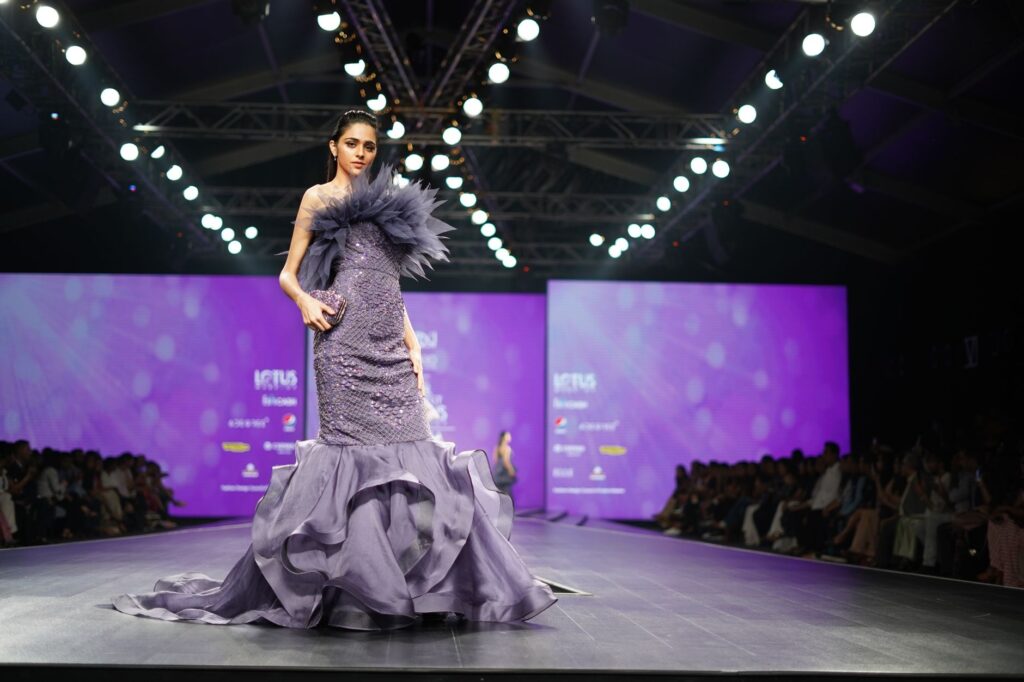


The fashion industry is undergoing a quiet but profound shift. After decades of fast fashion dominance, more people are asking a simple question before buying: will this piece still matter to me in five years? This shift in mindset is reshaping how consumers approach their wardrobes, moving away from disposable trends toward garments built to endure.
One example of this philosophy in practice is tsarskaya, a brand that centers its work around craftsmanship rather than volume. A piece like the tsarskaya corset illustrates what slow production actually looks like: careful construction, durable materials, and a design intended to outlast seasonal trends entirely. Rather than chasing what’s fashionable this month, such pieces are built around timeless silhouettes that remain relevant regardless of shifting trend cycles.
Why Fast Fashion Fails the Long-Term Test
Fast fashion was built on a simple promise: cheap clothes, quickly produced, following whatever trend is currently dominant. But this model comes with hidden costs. Garments made from low-quality materials and rushed construction rarely survive more than a handful of wears before showing signs of wear — loose seams, faded fabric, stretched-out shapes. The result is a cycle of constant replacement, which generates enormous textile waste and locks consumers into a pattern of spending that never actually pays off in long-term value.
Slow production takes the opposite approach. It prioritizes fewer, better pieces over constant turnover, treating clothing as an investment rather than a disposable commodity.
What Defines a Truly Sustainable Garment
Not every product labeled “sustainable” actually delivers on that promise. Several factors determine whether a piece genuinely qualifies as a long-term investment:
- Material quality — natural or high-grade fabrics that resist wear and maintain their structure over years of use.
- Construction technique — reinforced seams, quality boning or structural elements, and attention to detail that mass production typically skips.
- Timeless design — silhouettes that don’t rely on fleeting trends, allowing the piece to remain wearable for years.
- Ethical production practices — fair labor conditions and transparency about where and how the garment was made.
- Repairability — construction that allows for alterations, repairs, and adjustments rather than forcing replacement at the first sign of damage.
A garment that checks these boxes costs more upfront, but the cost per wear over its lifetime is often significantly lower than a fast fashion equivalent replaced multiple times over.

The Consumer Shift Toward Conscious Buying
Consumer behavior is changing alongside production philosophy. More shoppers are researching brands before purchasing, checking material sourcing, and asking questions about manufacturing conditions that would have seemed unusual a decade ago. This isn’t purely idealism — it reflects a practical recalculation of value. A well-made piece worn for a decade offers better economics and a smaller environmental footprint than ten cheaper pieces discarded within a year.
This shift also reflects a broader cultural change: clothing is increasingly viewed as an expression of personal values, not just aesthetic preference. Choosing slow-made garments signals a rejection of disposability in favor of intentionality.
Conclusion: Quality as a Long-Term Strategy
Sustainable fashion isn’t simply a marketing trend — it’s a fundamental rethinking of how clothing should be made and valued. Investing in fewer, well-crafted pieces reduces waste, supports ethical production, and ultimately delivers better value over time than the constant cycle of fast fashion. As more consumers recognize this, slow production is likely to move from a niche preference to a mainstream expectation.
FASHION LAW JOURNAL INSIDER
Join designers, brand founders and fashion lawyers who get the biggest brand battles, IP fights and career moves in fashion law, straight to their inbox.