
Last updated: July 2026
When buying fakes abroad, travelers face seizure of counterfeit goods at customs, potential civil fines up to thousands of dollars, and possible criminal prosecution for commercial quantities. U.S. Customs and Border Protection (CBP) seizes unauthorized merchandise under 19 U.S.C. § 1526, though enforcement typically focuses on commercial importers rather than individual tourists carrying single items for personal use.
What Counts as a Fake Under Customs Law?
Customs authorities define counterfeit goods as items bearing a trademark that is identical to or substantially indistinguishable from a registered trademark, without authorization from the rights holder. This covers luxury handbags with forged logos, fake designer watches, replica sneakers, and clothing bearing unauthorized brand names.
The term differs slightly from “dupes.” Dupes are lookalike products inspired by designer originals but lacking trademarked logos or distinctive protected elements. Customs law targets counterfeits, not legal dupes.
FLJ Insider Pro is open: live fashion law jobs and internships, five career guides and two roadmaps. Early bird USD 12/month. See what's inside
Gray market goods also fall into a different category. Authentic products manufactured by or for the brand owner but imported without authorization occupy a legal gray zone. They are genuine but may violate import restrictions in certain jurisdictions.
How Does Customs Detect Counterfeit Goods?
CBP officers use a combination of visual inspection, documentation review, and brand authentication databases to identify fakes. High-risk routes from known counterfeit manufacturing hubs trigger enhanced scrutiny.
Officers look for telltale signs: poor stitching quality, misspelled brand names, incorrect logos, suspiciously low prices on receipts, and packaging inconsistencies. Luxury brands provide customs agencies with detailed authentication guides.
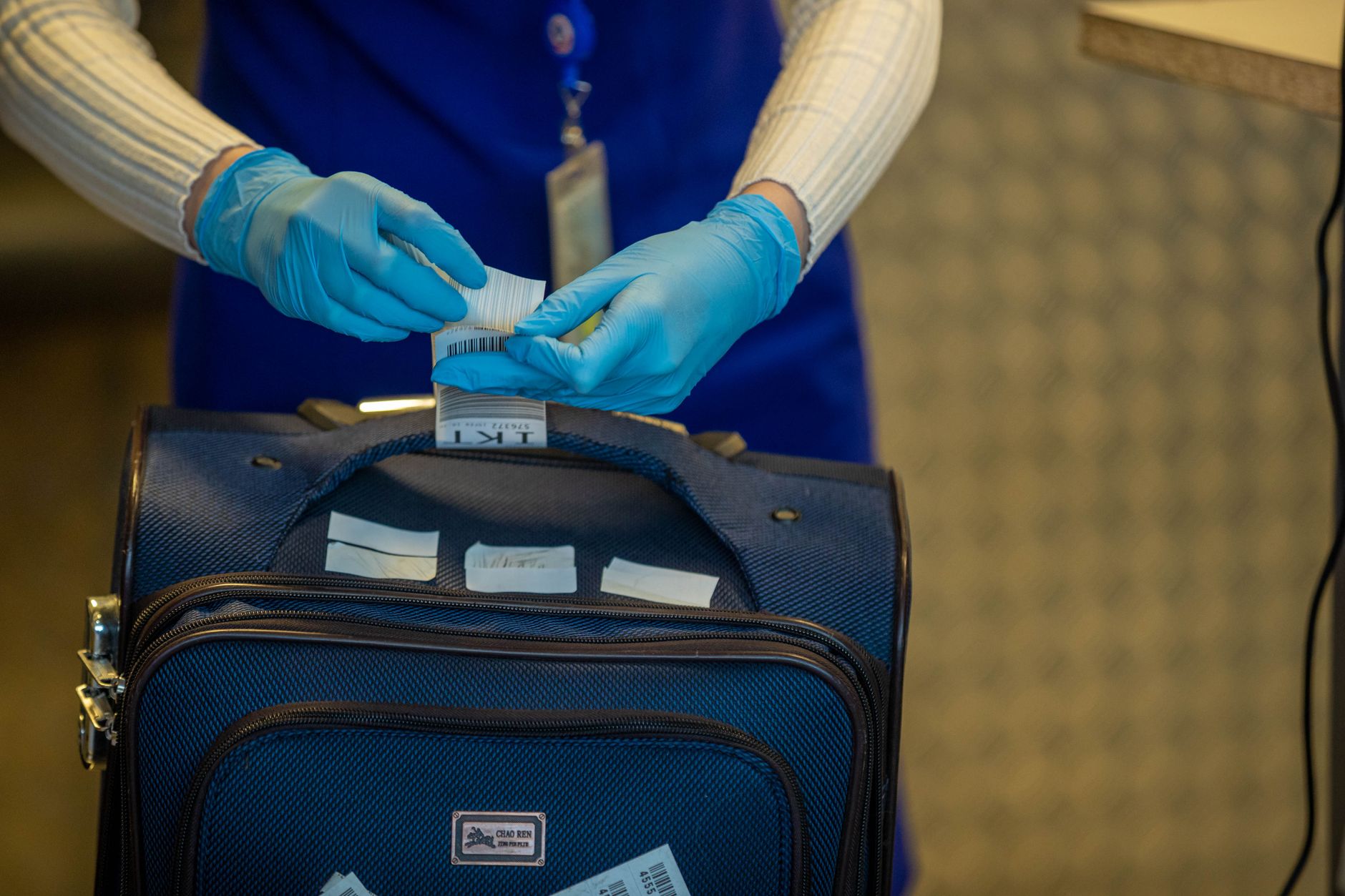
Random baggage searches and declaration forms create additional checkpoints. Travelers who declare “designer handbag purchased abroad” invite closer examination. Those who fail to declare may face penalties for false statements in addition to trademark violations.
Advanced targeting systems flag passengers based on travel patterns, purchase history, and origin cities. Someone flying from Guangzhou with five “Chanel” bags will almost certainly undergo secondary inspection.
What Happens When Customs Finds Fakes in Your Luggage?
CBP officers will seize the counterfeit items immediately. You receive a Notice of Seizure form explaining the legal basis and your right to petition for relief. The goods are not returned.
For single items clearly intended for personal use, most travelers face no further penalty beyond forfeiture. CBP prioritizes commercial smuggling over tourists who bought one fake watch in a street market.
However, larger quantities trigger escalating consequences. Multiple items suggest commercial intent, even if you claim they are gifts for friends. Commercial importation of counterfeits can result in civil fines, criminal charges under 18 U.S.C. § 2320, and even imprisonment for repeat or large-scale offenders.
Customs maintains records of seizures. Repeat offenders face heightened scrutiny on future trips and increased likelihood of prosecution.
Are the Rules Different When Buying Fakes Abroad for Personal Use?
U.S. law does not provide a formal personal-use exemption for counterfeit trademark goods. CBP has authority to seize any item bearing an infringing mark, regardless of quantity or intent.
In practice, enforcement discretion creates an informal tolerance for individuals carrying a single counterfeit item. A tourist returning from Bangkok with one fake Rolex for personal wear will likely lose the watch but face no fine or prosecution.
This enforcement pattern is not a legal right. It reflects resource allocation priorities, not statutory protection. CBP can legally pursue penalties even for personal-use quantities.
The calculus changes entirely at higher volumes. Three handbags cross into a gray zone. Ten handbags will be treated as commercial smuggling.
| Quantity | Typical Customs Response | Risk Level |
|---|---|---|
| 1 item | Seizure only, no additional penalty | Low |
| 2-3 items | Seizure, possible warning letter | Medium |
| 4-10 items | Seizure, potential civil fine | High |
| 10+ items | Seizure, likely prosecution, criminal record | Severe |
Which Countries Have the Strictest Enforcement?
The United States, European Union member states, United Kingdom, Australia, and Canada maintain robust anti-counterfeiting enforcement at borders. All participate in international IP protection agreements and collaborate with luxury brands.
France and Italy, home to major luxury houses, conduct particularly aggressive enforcement. French customs officers receive specialized training in authenticating Louis Vuitton, Hermès, and Chanel products.
China has strengthened enforcement in recent years but enforcement remains inconsistent. Domestic production of counterfeits complicates exit controls.
Some developing nations lack resources for systematic trademark enforcement at borders. This does not eliminate risk. Your home country will still enforce its laws when you return.
Can You Get in Trouble Even If You Didn’t Know It Was Fake?
Customs seizure does not require proof that you knew the item was counterfeit. Strict liability applies to the goods themselves, not your mental state.
CBP will confiscate a fake Gucci bag whether you bought it as a fake in a street market or were deceived by a dishonest vendor claiming it was authentic. Your good faith belief provides no defense to forfeiture.
For criminal prosecution, knowledge becomes relevant. Prosecutors must prove you knew or should have known the goods were counterfeit. Buying a “Prada” bag for $20 from a blanket on the sidewalk establishes constructive knowledge.
Purchasing from an apparently legitimate boutique at near-retail prices may support a good-faith defense. Context matters for criminal liability, even though it does not prevent seizure.
What About Online Purchases Shipped From Abroad?
International mail and express courier shipments undergo customs clearance just like passenger baggage. CBP screens millions of small parcels annually for counterfeits.
Detection rates vary widely by carrier and volume. High-value shipments face greater scrutiny than low-value parcels, though enforcement has intensified across all categories since 2020 [VERIFY specific year].
When CBP identifies a counterfeit shipment, they seize the package and send the intended recipient a Notice of Seizure. The recipient typically faces no additional penalty for single-item purchases clearly for personal use.
However, customs maintains records. Multiple seized shipments to the same address will eventually trigger investigation for commercial importation.
Some sellers abroad use deceptive labeling or undervaluation to evade detection. This exposes the buyer to additional penalties for customs fraud, separate from trademark violations.
Are Dupes and Replicas Treated Differently Than Counterfeits?
Legal dupes that avoid trademarked elements can be imported freely. A handbag inspired by a Bottega Veneta design but lacking any BV branding or protected trade dress does not violate customs regulations.
Terminology can be misleading. Sellers often advertise “replicas” or “1:1 copies” as distinct from “counterfeits,” but this is marketing language without legal significance. If the item bears an unauthorized trademark, it is a counterfeit regardless of what the seller calls it.
True replicas of unprotected vintage designs or items where trademark and design patent protections have expired may be legal. A reproduction of a 1960s handbag style no longer covered by any intellectual property right can be imported.
The key question is always whether the item displays a protected trademark or distinctive trade dress without authorization.
How Fashion Brands Work With Customs Agencies
Major luxury brands maintain close relationships with customs authorities worldwide. They register their trademarks with CBP’s Intellectual Property Rights e-Recordation system, enabling proactive enforcement.
Brands provide customs officers with detailed authentication training, including specific features to examine: serial number formats, stitching patterns, hardware finishes, and material quality markers.
Some brands station in-house experts at major customs facilities to authenticate suspected counterfeits before seizure. This reduces false positives and strengthens legal cases.
Rights holders can also request that CBP detain suspected counterfeits for inspection. This cooperative enforcement model has made borders increasingly difficult for counterfeit goods to cross.
What Are Your Legal Options After a Seizure?
You can file a petition with CBP within 30 days of the seizure notice. The petition must explain why the goods should not be forfeited.
Successful petitions are rare for obvious counterfeits. Valid grounds include: the item is authentic (supported by proof of purchase from authorized retailer), the trademark registration is invalid, or CBP misidentified the goods.
If CBP denies your petition, you can file a civil action in federal court. This requires retaining counsel and involves significant cost, making it impractical for low-value items.
Most travelers accept the forfeiture rather than contest seizure of items they knew or suspected were counterfeit.
Practical Advice for Travelers
The simplest approach when buying fakes abroad is don’t. The savings rarely justify the risk of losing the item plus potential fines and criminal exposure.
If you choose to purchase counterfeits despite the risks, understand that you are gambling. A single item for personal use will likely result only in forfeiture, but nothing guarantees lenient treatment.
Never purchase multiple items, even as gifts. Quantities that suggest resale intent dramatically increase legal jeopardy.
Do not attempt to conceal counterfeits in checked baggage or wear multiple fake items simultaneously. Detection triggers harsher treatment than honest declaration.
Consider legal alternatives. The dupe market offers affordable lookalikes without trademark infringement. Pre-owned authentic items from verified resale platforms provide genuine designer goods at reduced prices.
FAQ: Buying Fakes Abroad and Customs Enforcement
Will customs always find fake designer items in my luggage?
No, customs cannot inspect every traveler’s baggage. Detection depends on random selection, risk-based targeting, declaration review, and visible indicators. However, high-risk routes and obvious counterfeits face greater scrutiny. The possibility of undetected passage does not eliminate legal risk if discovered.
Can I bring one fake handbag home as a souvenir without penalty?
Legally, no. CBP has authority to seize any counterfeit item regardless of quantity. In practice, single personal-use items usually result in forfeiture without additional fines or prosecution. This reflects enforcement priorities, not a formal exception. Customs retains full discretion to pursue penalties.
What is the difference between a dupe and a counterfeit?
A dupe is a legal lookalike product inspired by designer originals but without trademarked logos or protected design elements. A counterfeit bears unauthorized trademarks, making it illegal. Dupes can be imported freely, while counterfeits face seizure. The distinction turns on trademark infringement, not similarity of appearance.
Do other countries enforce counterfeit laws as strictly as the U.S.?
Major developed economies including EU nations, UK, Canada, and Australia maintain comparable enforcement. France and Italy, home to luxury brands, are particularly strict. Enforcement varies widely in developing countries. Your destination’s lax enforcement does not protect you when returning to your home country’s customs.
Can I get arrested for buying fakes abroad when I return home?
Arrest is unlikely for personal-use quantities. CBP focuses criminal prosecution on commercial importers bringing significant quantities. However, repeat offenses, large volumes, or aggravating factors can lead to criminal charges under federal trademark law. Criminal penalties include fines and imprisonment for intentional commercial counterfeiting.
Conclusion
Buying fakes abroad carries real legal risks that extend beyond the purchase itself. Customs authorities in major markets actively enforce trademark laws, seizing counterfeit goods and potentially imposing significant penalties.
While enforcement discretion often spares individual tourists from prosecution, no legal protection exists for personal-use counterfeits. The decision to purchase fakes is a calculated gamble with your money, travel record, and potential criminal exposure at stake.
For fashion enthusiasts on a budget, legal alternatives provide safer paths to accessible style. The counterfeit market funds organized crime, harms legitimate brands and workers, and exposes buyers to unnecessary legal jeopardy.
FASHION LAW JOURNAL INSIDER
Join designers, brand founders and fashion lawyers who get the biggest brand battles, IP fights and career moves in fashion law, straight to their inbox.