
Last updated: July 2026
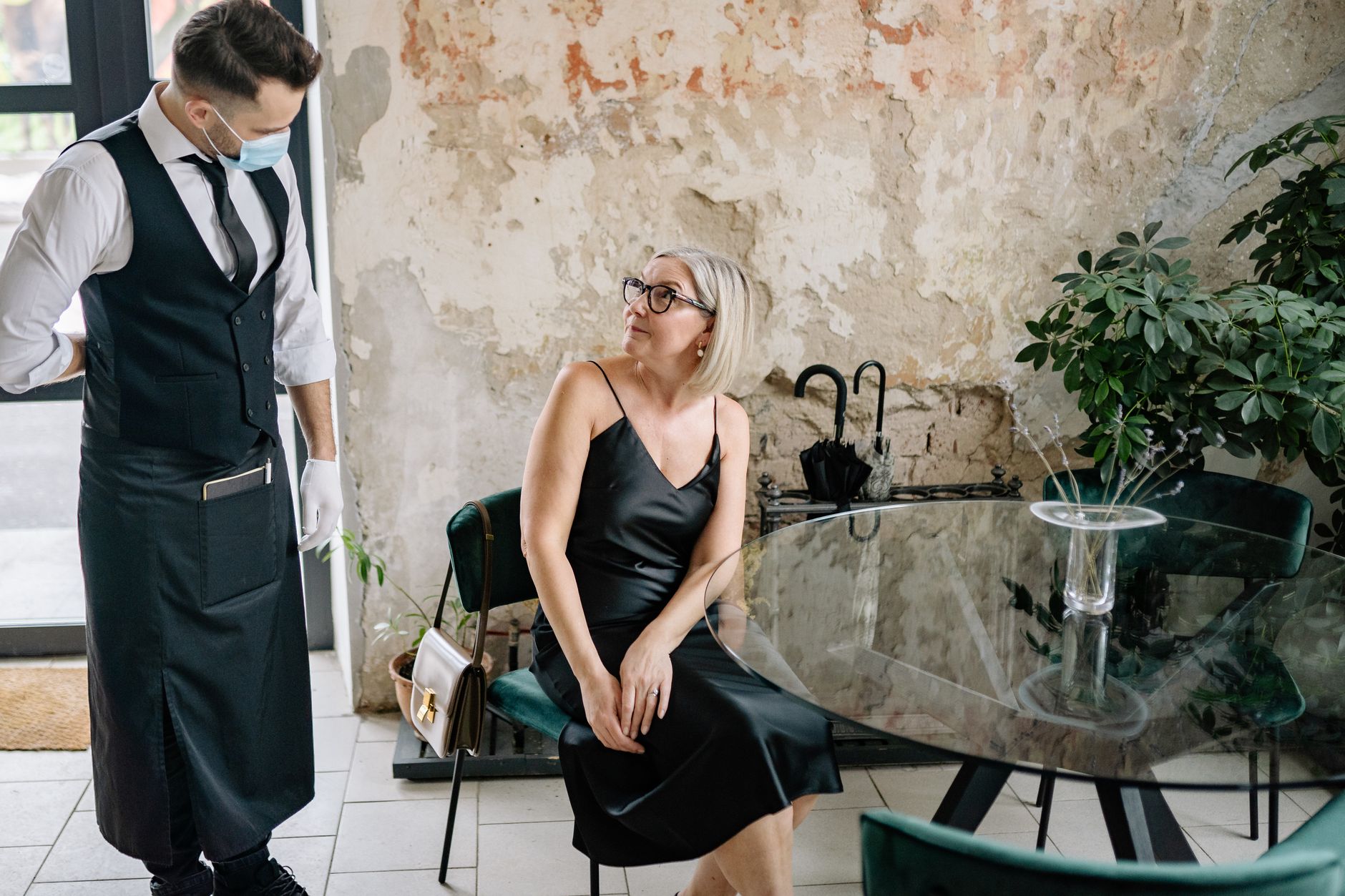
Yes, restaurants can legally enforce a dress code in the United States. As private businesses, restaurants have broad discretion to set appearance standards for patrons. However, dress code enforcement cannot violate federal or state civil rights laws, discriminate based on protected characteristics, or be applied inconsistently. The legal line lies in how and why the policy is enforced.
Why Restaurants Have the Legal Right to Set Dress Standards
Restaurants operate as private property owners, not public spaces. This distinction matters legally. Property owners can establish rules for entry and service, including attire requirements.
Courts have consistently upheld the right of businesses to refuse service based on dress, provided the refusal does not target protected classes. A restaurant can turn away a customer wearing athletic shorts or flip-flops. The establishment need not serve everyone who walks through the door if those patrons fail to meet stated standards.
FLJ Insider Pro is open: live fashion law jobs and internships, five career guides and two roadmaps. Early bird USD 12/month. See what's inside
The legal foundation rests on contract law and property rights. When you enter a restaurant, you enter into an implicit agreement to abide by house rules. Breaking those rules gives the business grounds to deny service.
Can a Restaurant Legally Enforce a Dress Code Without Discrimination?
The enforceability hinges on nondiscrimination. Federal law prohibits discrimination based on race, color, religion, national origin, sex, disability, and certain other categories. State and local laws often extend protections further to include sexual orientation, gender identity, age, and more.
A dress code becomes illegal when it is a pretext for discrimination or has a disparate impact on protected groups. For example, a “no durags” policy has faced legal challenges as racially discriminatory. A “no head coverings” rule that refuses religious head scarves while allowing baseball caps would violate Title II of the Civil Rights Act of 1964.
Gender-based dress codes also trigger scrutiny. Requiring women to wear heels or men to wear ties can constitute sex discrimination under some state laws. California, New York, and other jurisdictions have strengthened protections for gender expression, making rigid gender-specific attire rules riskier.
The key test: Is the dress code neutral and consistently applied, or does it function as a proxy for excluding certain identities or communities?
What Types of Dress Codes Are Legally Enforceable?
Restaurants use dress codes for brand positioning, ambiance control, and safety. Common categories include business casual, smart casual, formal attire, and explicit bans on specific items.
Legally sound dress codes share certain traits. They are clearly posted or communicated in advance, written in specific terms, content-neutral, and applied uniformly to all patrons regardless of background.
| Dress Code Type | Common Requirements | Legal Risk Level |
|---|---|---|
| Business Casual | Collared shirts, slacks, closed-toe shoes | Low (if neutral) |
| Formal/Black Tie | Suits, evening gowns, dress shoes | Low (if neutral) |
| No Athletic Wear | Bans on gym clothes, jerseys, sneakers | Medium (may impact communities disproportionately) |
| No Specific Items | Bans on hats, hoodies, durags, bandanas | High (often challenged as discriminatory) |
| Gender-Specific | Heels for women, ties for men | High (sex/gender discrimination concerns) |
Fine dining establishments routinely require jackets for men and equivalent formal attire for women. These policies survive legal challenges when they are truly about formality, not identity.
How Should Restaurants Communicate and Enforce Dress Policies?
Advance notice protects both the business and the patron. Posting dress code requirements on the website, reservation confirmations, and entrance signage reduces confusion and demonstrates good faith.
Enforcement should be consistent and respectful. If a dress code is applied sporadically or staff members use it to exclude patrons they personally dislike, the restaurant opens itself to discrimination claims. Documentation helps: training staff on the policy, keeping records of enforcement, and ensuring managers review refusals.
Many upscale restaurants keep loaner jackets or shawls for patrons who arrive underdressed. This approach maintains standards while avoiding confrontation and potential legal exposure.
When a patron challenges a refusal, staff should calmly reference the written policy and offer alternatives such as rescheduling or providing loaner attire. Escalating the situation or making subjective judgments about a person’s appearance invites trouble.
Where Dress Code Enforcement Crosses Legal Lines
Discrimination claims arise when enforcement appears selective. If a restaurant enforces a “no sneakers” rule against Black patrons but allows white diners in similar footwear, that creates a strong case for racial discrimination.
Religious attire receives particular legal protection. The Civil Rights Act and many state laws require businesses to accommodate religious dress unless doing so causes undue hardship. Refusing service to a Sikh patron wearing a turban or a Muslim woman in a hijab would almost certainly violate federal law.
Disability discrimination also applies. Dress codes cannot penalize patrons who wear medical devices, service animal vests, or adaptive clothing required by their condition. The Americans with Disabilities Act mandates reasonable accommodation.
Cultural attire presents nuance. While not always a protected category, dress codes that exclude traditional clothing from specific ethnic groups may constitute national origin discrimination if the pattern is clear.
The Fashion Law Intersection: Etiquette as Legal Strategy
Dress codes sit at the crossroads of fashion norms, business strategy, and civil rights law. For fashion lawyers, this area demands understanding both the aesthetics of brand identity and the boundaries of lawful exclusion.
High-end fashion brands that operate restaurants or hospitality spaces face unique scrutiny. Their dress codes signal brand values and target clientele. But when a luxury brand restaurant enforces attire standards, critics and courts may examine whether those standards function as socio-economic or racial gatekeeping.
The legal advice for restaurant clients is practical: draft clear, inclusive policies that focus on formality level rather than banning culturally specific items. Train staff to apply rules uniformly. Keep meticulous records. And remember that turning away a paying customer always carries reputational risk, even when it is legally permissible.
Conclusion: Balancing Property Rights and Civil Rights
Restaurants can legally enforce a dress code, but that power is not absolute. The law grants private businesses wide latitude to set standards for service, yet it also protects individuals from discrimination. The boundaries are clear: dress codes must be content-neutral, consistently applied, and free from bias based on race, religion, sex, disability, or other protected traits. Smart operators focus on clarity, consistency, and respect.
FAQ
Can a restaurant refuse service for what I wear?
Yes, restaurants can refuse service if your attire violates a clearly stated dress code. However, the refusal cannot be based on discrimination against protected characteristics like race, religion, gender, or disability. The policy must be applied consistently to all patrons.
Are gender-specific dress codes legal in restaurants?
Gender-specific dress codes face increasing legal challenges. While historically tolerated, many states now prohibit sex and gender identity discrimination in public accommodations. Requiring heels for women or ties for men may violate state civil rights laws, particularly in jurisdictions with strong gender expression protections.
Do I have to remove my religious head covering to dine?
No. Federal and state laws protect religious dress and grooming practices. A restaurant cannot enforce a “no hats” or “no head coverings” policy against religious attire like turbans, hijabs, yarmulkes, or head wraps. Doing so violates the Civil Rights Act of 1964.
Can restaurants ban hoodies or athletic wear?
Restaurants can ban hoodies, athletic wear, or casual clothing as part of a dress code. However, if such bans are enforced selectively against specific racial or ethnic groups, they may constitute illegal discrimination. Consistent, documented enforcement reduces legal risk.
What should I do if I am denied entry for my outfit?
Ask to see the written dress code policy and inquire whether the restaurant offers loaner attire. If you believe the refusal was discriminatory based on race, religion, gender, or another protected trait, document the incident and consider filing a complaint with your state civil rights agency or consulting an attorney.
FASHION LAW JOURNAL INSIDER
Join designers, brand founders and fashion lawyers who get the biggest brand battles, IP fights and career moves in fashion law, straight to their inbox.