







An op‑ed, unapologetically biased, from a disciple of “Class over crass.”
When I was a child, the word “presentable” was not a suggestion but a family law. My mother – an exacting woman who measured the world in who wore what and whether or not they looked good in it – insisted that we never left the house unless we looked our best. The result was a paradoxical upbringing: on one hand, I learned the grammar of a well‑tailored suit, the poetry of a perfectly coordinated accessorized outfit, and the confidence that comes from knowing you have earned visual respect.
On the other hand, the same regimen taught me the freedom of being able to “slum” as effortlessly as I could appear on a runway. I could and did glide from a quiet country kitchen in a thrifted pair of jeans to a glittering beauty‑pageant stage in a one-of-a-kind evening gown (even making the local newspaper) without feeling the slightest dissonance.
Now, more than four decades later, I find myself watching the very same world that once cherished sartorial etiquette devolve into what feels like a collective amnesia about the power of dress. Pyjamas have become streetwear, far too “weighty” exposed midriffs are glorified as rebellion, and cut‑off shorts that barely cover the posterior are celebrated as avant‑garde. The notion that something as simple as a dress code could still hold relevance seems, to many, antiquated.
Yet, I am convinced that fashion events—perhaps the only remaining sanctuaries for those of us who still believe that clothing can communicate intelligence, intention, and respect—must cling to their dress‑code traditions.
The Historical Weight of Dress Codes:
The concept of a dress code is not a modern invention; it is a centuries‑old social contract. In the courts of Versailles, the “sumptuary laws” dictated who could wear silk, gold, or fur, creating a visual hierarchy that reinforced order.
In Victorian England, the “three‑piece suit” became a symbol of propriety, allowing a man’s character to be read at a glance.
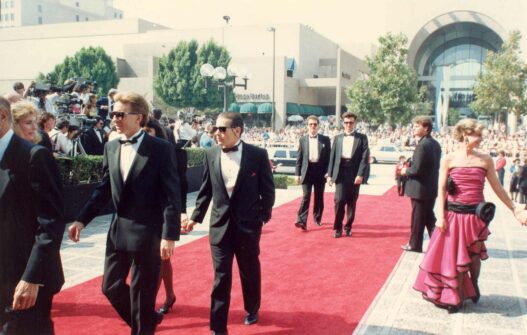
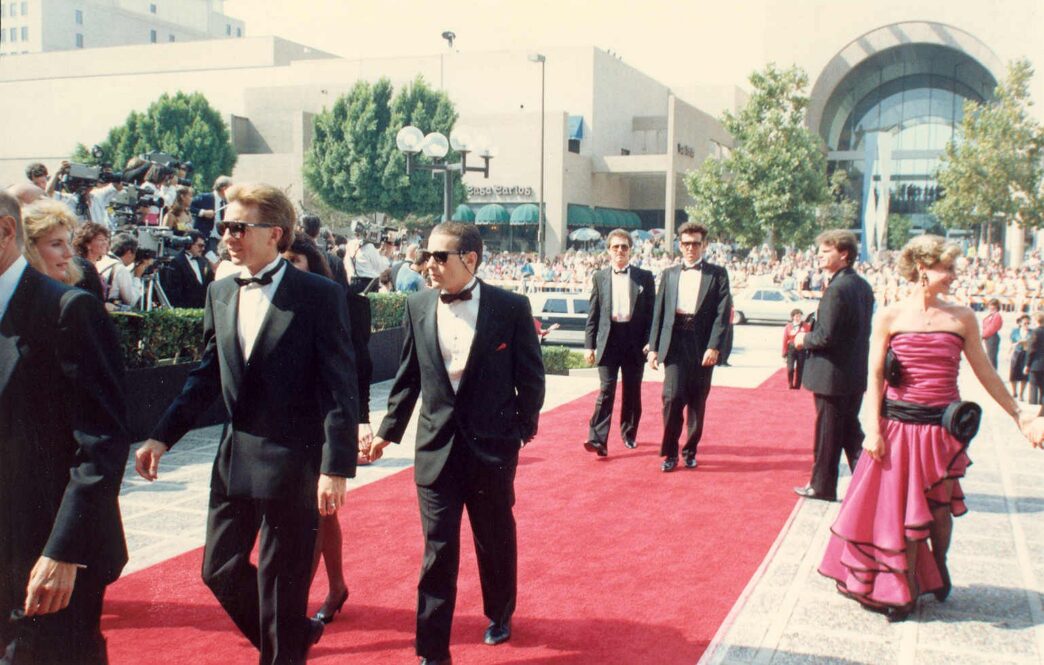
Fast forward to the twentieth century, and the “black‑tie” dress code emerged as a dashing shorthand for ceremony, dignity, and shared cultural understanding. Each of these moments illustrates a fundamental truth: clothing is a language, and dress codes are the grammar that keeps that language intelligible.
Fashion shows, galas, and industry mixers have historically been the most conspicuous arenas where this grammar is both taught and tested. By requiring attendees to adhere to a prescribed aesthetic—whether it is “cocktail attire,” “business‑formal,” or a specific thematic palette—organizers signal that the event is a serious forum for dialogue, critique, and the celebration of craft. In doing so, they protect the space from becoming a chaotic free‑for‑all where the message of design gets lost in a sea of mismatched patterns and colors.
Why Dress Codes Matter in Fashion:
Respect for the Designers’ Vision
Designers spend months, sometimes years, curating a narrative through fabric, cut, and movement. When an audience arrives dressed in a way that deliberately clashes with the show’s aesthetic—think bright orange sneakers at a minimalist monochrome runway—it diminishes the immersive experience the designer intended. A dress code ensures that the audience’s attire functions as a neutral backdrop rather than a competing visual stimulus.
Professional Credibility
The fashion industry is still a business. Investors, editors, buyers, and media professionals use these events to make high‑stakes decisions.
When a buyer or even guest attendee shows up in an ensemble that appears to have been salvaged from a local dumpster, he/she sends an unintentional signal: “I do not take this event, the market or the industry seriously.”
A well‑curated look, on the other hand, conveys that the attendee respects the stakes, understands the industry’s standards, and is prepared to engage on equal footing.
Cultural Cohesion
Fashion, unlike many other arts, straddles the line between the personal and the public. A shared dress code creates a fleeting community—a tribe of people who, for a few hours, are united by a common visual vocabulary. That sense of belonging can spark authentic conversation, mentorship, and collaboration that would be harder to achieve in a setting where everyone is shouting their individuality through clashing patterns and “anything‑goes” wardrobes.
The “Anything‑Goes” Counterargument:
Critics of dress codes argue that they enforce conformity, suppress self‑expression, and perpetuate classist gatekeeping. They point to the democratizing power of streetwear, the rise of gender‑fluid fashion, and the historical role of dress codes in excluding marginalized groups.
These concerns are not without merit.
The fashion world has a well‑documented history of gatekeeping—whether it is the horrific treatment of models forced to starve themselves, to designers who fuel the realm nightmares hail from, by looking askance at anyone deemed “not worthy.”
However, there is a distinct difference between a systemic exclusionary practice and a contextual expectation of attire. A dress code applied to a fashion event is not a blanket rule for everyday life; it is a temporary, situational standard that serves a specific purpose: to preserve the integrity of the event’s artistic and commercial objectives. Moreover, contemporary dress codes can be crafted with inclusivity in mind—allowing for gender‑neutral options, accommodating traditional dress, and providing clear guidance that does not rely on vague or outdated gender binaries.
When a dress code is articulated transparently—e.g., “business‑casual with an emphasis on clean lines; shoes must be closed‑toe; no visible logos larger than 2 inches”—it becomes a tool for equality, not oppression. It levels the playing field by letting everyone know exactly what is expected, thereby removing the guesswork that can penalize those without insider knowledge of fashion etiquette.
The Real‑World Cost of Abandoning Dress Codes:
Consider the last major fashion weeks that abandoned any semblance of a dress code. Reports from industry insiders noted a marked increase in “distractions” during runway presentations: bright neon accessories that reflected onto the catwalk, oversized handbags that blocked sightlines, and footwear that clanged on the platform, disrupting the designers’ audio cues. More importantly, buyers and editors complained that the chaotic visual environment made it harder to assess the garments themselves, leading to delayed purchasing decisions and, in some cases, lost orders.
The ripple effect extended beyond the runway. Media coverage shifted from a focus on collection details to sensational headlines about “the most shocking outfits.”
While clickbait may boost short‑term traffic, it dilutes the seriousness with which the collection is treated and ultimately harms the designers whose livelihoods depend on thoughtful critique.
A Pragmatic Path Forward:
If we accept that dress codes have a legitimate role, the next question is how to enforce them without alienating the very audience we hope to engage. Here are three practical steps that event organizers can adopt:
Publish a Clear, Accessible Dress‑Code Guide
A one‑page PDF circulated with the invitation, posted on the event website, and highlighted in registration emails eliminates ambiguity. Include visual examples (e.g., “appropriate: tailored blazer; inappropriate: hooded sweatshirt”) and note any allowances for cultural or religious attire.
Offer a “Dress‑Code Concierge”
For emerging designers, students, or professionals from non‑fashion backgrounds, a short consultation (in‑person or virtual) can help them interpret the guidelines and assemble a suitable outfit, perhaps even providing rental options for items they do not own.
Enforce at the Door, Not the Gate
Rather than policing guests with confrontational security, employ friendly “fashion stewards” who greet attendees, verify compliance, and, if necessary, suggest quick adjustments (e.g., swapping a T‑shirt for a provided polo). This approach maintains dignity while upholding standards.
Conclusion: A Call to Preserve the Sanctity of Fashion Venues:
The world may be shifting toward ever‑more casual norms, and that evolution is not inherently negative. Streetwear has birthed iconic designers, gender‑fluid fashion has expanded the visual lexicon, and the self-expression of style has brought fresh perspectives to the runway. Yet, just as we reserve quiet reverence for a symphony hall and demand silence in a library, we must preserve a space where the language of fashion is spoken with intentionality, respect, and collective understanding.
A dress code at fashion events is not a relic of aristocratic snobbery; it is a deliberate instrument that safeguards the seriousness of the industry, protects designers’ artistic visions, and fosters professional credibility.
Abandoning it in the name of “come as you are” risks turning our most vital showcases into abysmal costume parties, eroding the very platform that elevates talent and drives commerce.
So, to the organizers, sponsors, and attendees who still cherish the transformative power of well‑chosen garments: please enforce, and continue to enforce, dress codes at fashion events. Let us keep at least one bastion where elegance, thoughtfulness, and a dash of disciplined flair remain the default, not the exception.
In doing so, we honour not only the heritage of fashion but also its future—one where style still matters, and where what we wear continues to speak louder than words.
Author: Andrea Dean Van Scoyoc

Andrea Dean Van Scoyoc is a burgeoning force of nature in the influencer‑fashion‑marketing arena—a true alpha businesswoman who shatters conventions with unapologetic clarity. Her “no‑holds‑barred” approach translates into campaigns that cut through the noise, holding high-end brands accountable while honoring the trend-craving palate of today’s consumers. Van Scoyoc’s straight‑talk perspective guarantees results that are as impactful as they are authentic.
Instagram: https://www.instagram.com/hr42_consulting