
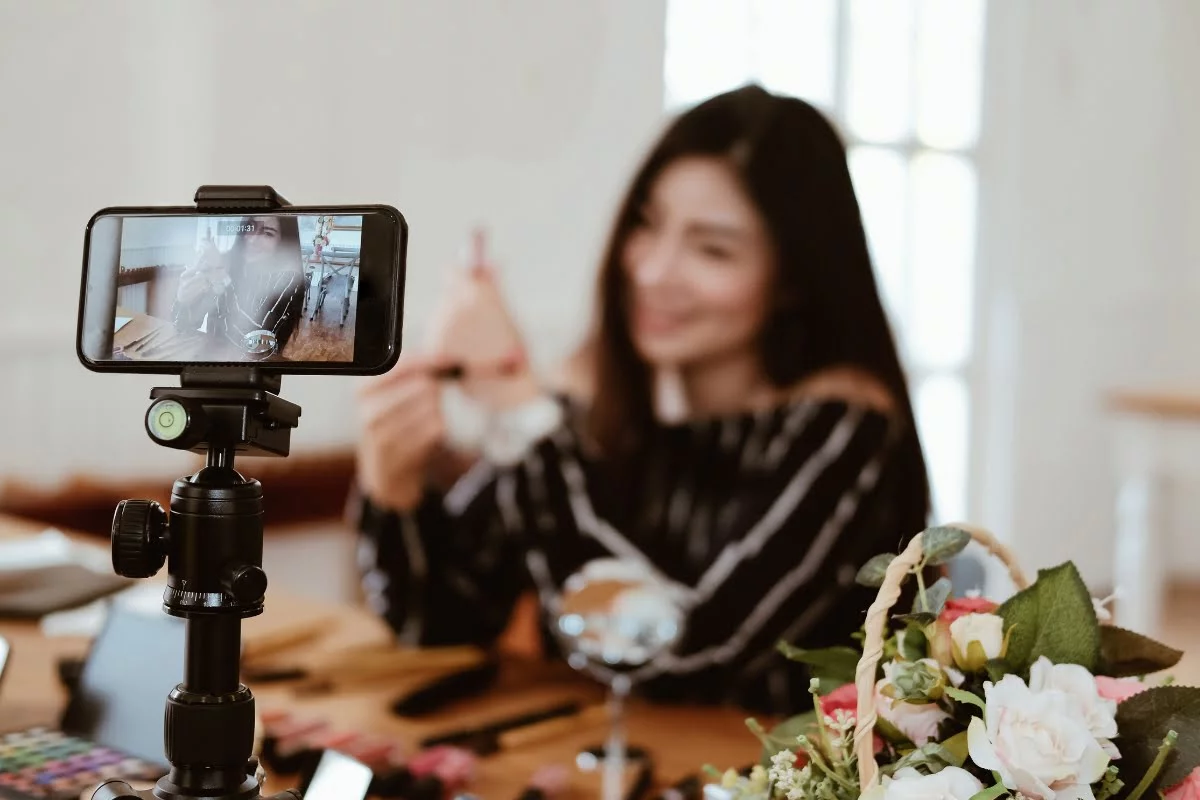
In modern advertising, influencer marketing is at the centre of the advertising world. As social media platforms are becoming a part of every individual’s day-to-day life, influencers play an important part in swaying consumer decisions from one direction to the other. Social media influencers have become key players in promoting brands and, recently, in intentionally or unintentionally promoting dupe culture.[i] Dupe Culture is described as the promotion of low-cost alternatives that are an imitation of high-end branded products. While we can’t say that all dupes are illegal, there is a very fine line between lawful imitation and outright counterfeiting. Dupe-culture often results in trademark infringement, consumer deception and dilution of fashion brands.
Dynamics of Influencer Branding
The first question that pops into our heads is how influencer marketing works. There are three key dynamics to understanding this:
- Algorithmic amplification – Algorithms analyse user behaviour and accordingly rank the content to drive maximum user interaction with the post. So, for instance, if you engage with one reel or TikTok that showcases a cheaper alternative to a branded dress or bag, your feed will be full of similar content.
- Shift in Consumer Perception – these algorithms lead to a shift in consumer perception, especially among the younger generation, where trends are always the norm. As long as style requirements are being fulfilled, ethical concerns hardly matter.
- Legal Ambiguity – influencers might not be directly selling the product sometimes, but they facilitate their discovery, leading to their purchase by consumers, raising important questions of trademark infringement and brand dilution.
Link Between Influencer Marketing and Counterfeit Consumption
Influencer marketing has a positive and rather significant impact on the buying patterns of consumers. As per a study, approximately 22% of the consumers in the United Kingdom aged between 16 and 60, who are active participants on social media, have purchased counterfeit items at least once in their lifetime, which are recommended by influencers.[ii] Out of this, 22%, 17% knowingly bought counterfeits, and the remaining 5% were deceived into believing that they were buying the real product.[iii] This is proof enough that influencer attributes directly increase purchase intention for counterfeit fashion goods. In simple terms, it is fair to say that the more consumers engage with influencers who promote dupe culture, the more likely they are to buy counterfeits.

Lawful Imitation vs Counterfeit
The central issue is the distinction between lawful imitation and trademark infringement. Not all the imitations can be considered a violation of trademark or counterfeit. Lawful imitation refers to those products which are inspired by existing luxury goods in the market and do not directly infringe the IP rights of the brand. These products imitate trends, aesthetics, or functionalities but avoid using protected trademarks, logos, or identical packaging. This is legal and boosts competition in the market. On the other hand, a counterfeit is a blatant fake or a replica. The product is designed to be virtually indistinguishable from the original, right down to the packaging and labelling. And this is a direct infringement of the brand owners’ trademark rights.
One of the main challenges in influencer marketing is the increasingly blurry line between lawful imitation and illegal counterfeiting. Some dupes stay within legal limits by avoiding trademark infringement, while others copy luxury products so closely that they risk violating intellectual property protections. Social media makes this ambiguity worse because influencers often encourage direct comparisons between dupes and luxury originals. Statements such as “this looks exactly like the real thing” or “nobody can tell the difference” may push imitation products closer to counterfeit territory.
India and Influencer Marketing (Liability)
Influencers occupy a legally complex position within counterfeit markets. Although many influencers do not manufacture counterfeit goods themselves, they may still contribute to intellectual property infringement by:
- promoting counterfeit sellers,
- sharing purchase links,
- providing discount codes, or
- encouraging followers to buy fake products.
An influencer who knowingly promotes a product bearing an infringing trademark may incur direct liability under the Trade Marks Act.[iv] The crucial legal question is whether the influencer is using the trademark in the course of trade. Under the Indian Trade Marks Act, 1999, statutory law (Section 29(8) & 2(2)) and court precedents establish that promotional and marketing activities, including endorsements for monetary or other compensation, qualify as legitimate “use in the course of trade” when assessing trademark authenticity and infringement.[v]
The Supreme Court of India has clarified that the concept of “use” of a trademark extends beyond its physical affixation to goods or packaging. In Hardie Trading Ltd. v. Addison Paints & Chemicals Ltd[vi]., the Court recognised that a trademark may be considered “used” through various forms of commercial activity, including advertising, promotional campaigns, and marketing communications. In other words, the legal notion of trademark use is not confined to the sale or manufacture of goods bearing the mark; it also encompasses activities that promote, publicise, or commercially exploit the mark in the marketplace.
A fashion influencer who receives consideration to advertise or endorse a counterfeit luxury product cannot be regarded as a passive intermediary. Instead, by actively marketing and encouraging the purchase of the infringing product, the influencer becomes an integral participant in the infringing commercial activity.
Trademark liability does not stand alone; it sits alongside consumer protection and advertising rules that place added responsibilities on influencers and endorsers. The Consumer Protection Act, 2019,[vii] prohibits misleading advertisements and requires endorsers to exercise due diligence by ensuring that any claims they make about a product are accurate and supported. As a result, an influencer who promotes a counterfeit or infringing product as genuine may face liability not only for trademark infringement, but also for misleading consumers through a deceptive endorsement.
These obligations are reinforced by industry and regulatory guidelines. The Advertising Standards Council of India (ASCI) Guidelines for Influencer Advertising in Digital Media require influencers to clearly disclose commercial relationships through labels such as #Ad, #Sponsored, or similar disclosures. They also expect influencers to carry out reasonable verification of the products they promote. Likewise, the Central Consumer Protection Authority (CCPA) Guidelines for Prevention of Misleading Advertisements and Endorsements, 2022 require endorsers to have genuine knowledge or actual experience of the products they advertise, and to disclose any material connection with the advertiser or brand. If influencers fail to meet these standards, they may face regulatory action by the CCPA, along with civil liability for deceptive advertising and unfair trade practices. Together, these frameworks show that influencers are expected to act with a high degree of care when endorsing products, especially where counterfeit or infringing goods are involved.[viii]
Conclusion
The line between lawful imitation and counterfeit goods has become harder to draw in the age of influencer marketing. Lawful dupes can offer real competition and make products more affordable, but counterfeit goods directly infringe intellectual property rights and can mislead consumers.
Influencers play a big part in shaping how people see imitation products. By normalising dupe culture and making counterfeit purchases seem less risky, they can encourage audiences to treat imitation goods as acceptable alternatives to luxury products. Trust, relatability and aspirational marketing all contribute to that effect.
As social media continues to shape consumer behaviour, there is a growing need for clearer legal standards, stronger platform oversight and greater consumer awareness. These measures will be important in distinguishing lawful imitation from unlawful counterfeiting in the influencer economy.
References:
[ii] Shepherd, D. et al. (2023) ‘The Impact of Deviant Social Media Influencers and Consumer Characteristics on Purchasing Counterfeit Goods’, Deviant Behavior, 44(12), pp. 1746–1760. doi: 10.1080/01639625.2023.2233041.
[iii] Id.
[iv] Trade Marks Act, 1999, § 29, No. 47, Acts of Parliament, 1999 (India).
[vi] AIR 2003 SUPREME COURT 3377, 2003 (11) SCC 9,2
FASHION LAW JOURNAL INSIDER
Join designers, brand founders and fashion lawyers who get the biggest brand battles, IP fights and career moves in fashion law, straight to their inbox.