

StockX sells millions of sneakers, and in March 2025 a federal judge found it liable for distributing 37 pairs of counterfeit Nikes. Both facts matter if you are about to spend $300 on a pair of Jordans. StockX is a real company with a real inspection process, but it is not infallible, and its own rules now differ depending on which part of the site you buy from. This guide explains how StockX authentication works, what the Nike lawsuit decided and how it ended, what you can do if an order goes wrong, and how StockX compares with GOAT and eBay.
Short answer: Yes, StockX is a legitimate resale marketplace, founded in 2015 and based in Detroit. New items on its Verified Marketplace are either inspected by StockX or shipped by vetted sellers. It is not foolproof: in 2025 a New York federal court held StockX liable for selling 37 pairs of fake Nikes. Nike and StockX settled before trial on confidential terms.
Key takeaways
- StockX now runs three marketplaces, and only Verified Marketplace orders are routinely checked by StockX before they reach you.
- On 4 March 2025 Judge Valerie Caproni held StockX liable for distributing four counterfeit pairs to Nike’s investigators and 33 to another buyer.
- Nike and StockX filed to dismiss the case on 29 August 2025, weeks before a jury trial set for 14 October 2025, and kept the terms confidential.
- If an item arrives materially different from its description, StockX’s Buyer Promise gives you 14 days from delivery to make a claim.
Is StockX legit?
StockX is a genuine business, not a scam site. Founded in 2015, it resells sneakers, apparel, watches, handbags, electronics, trading cards and collectibles. It is headquartered in Detroit, Michigan, and says it runs verification centres in Detroit, Atlanta, Moonachie in New Jersey, New York City and Tempe, plus Eindhoven, London, Hong Kong and Toronto.
The better question is which StockX you are using. The site is now split into three marketplaces with different rules:
FLJ Insider Pro is open: live fashion law jobs and internships, five career guides and two roadmaps. Early bird USD 12/month. See what's inside
- Verified Marketplace: new, unworn items only. StockX says each item is either inspected by its verification team or ships directly from a “StockX Verified Seller” that meets its performance standards.
- Listings Marketplace: used, vintage and some new items shipped straight from the seller. Verification is optional on eligible items and costs extra.
- StockX Live: sellers stream items on video. StockX says Live orders “currently do not go through StockX verification”.
So a pair bought on Live, or from Listings without paid verification, gets no StockX inspection at all. That is the single most useful fact for any buyer.
How does StockX authentication work?
StockX calls the process verification rather than authentication. When a seller’s item reaches a verification centre, the team inspects it against StockX’s condition guidelines before shipping it on. StockX says this usually takes one to two business days, rising to three to five when an item needs extra review from its quality assurance team. Sneakers must be brand new and come with the original box; apparel must be unworn with original accessories; watches need an unexpired warranty card.
Two details are worth knowing. First, StockX says a seller’s receipt does not speed things up: proof of purchase “does not factor into the review”. The check is on the item, its box and its accessories. Second, StockX reserves the right not to return counterfeit items to the seller and says it may hand them to the authorities. It claims its process has rejected more than 1.4 million items worth over $400 million.
If a new item you bought fails verification, StockX says it will try to find another seller with the same item at your original price, and refunds you in full if it cannot. That is a real protection, but it depends on the item being caught. Brands are building their own checks too; FLJ’s guide to QR code authentication explains how digital product IDs are being used to prove an item is genuine.
What did Nike claim in its lawsuit against StockX?
Nike sued StockX in the Southern District of New York in February 2022 (case 1:22-cv-00983). The first complaint was about NFTs. StockX had launched “Vault NFTs” featuring Nike sneakers, and Nike argued these used its trade marks without permission and could make people think Nike endorsed them. StockX argued the tokens were digital receipts for authenticated goods.
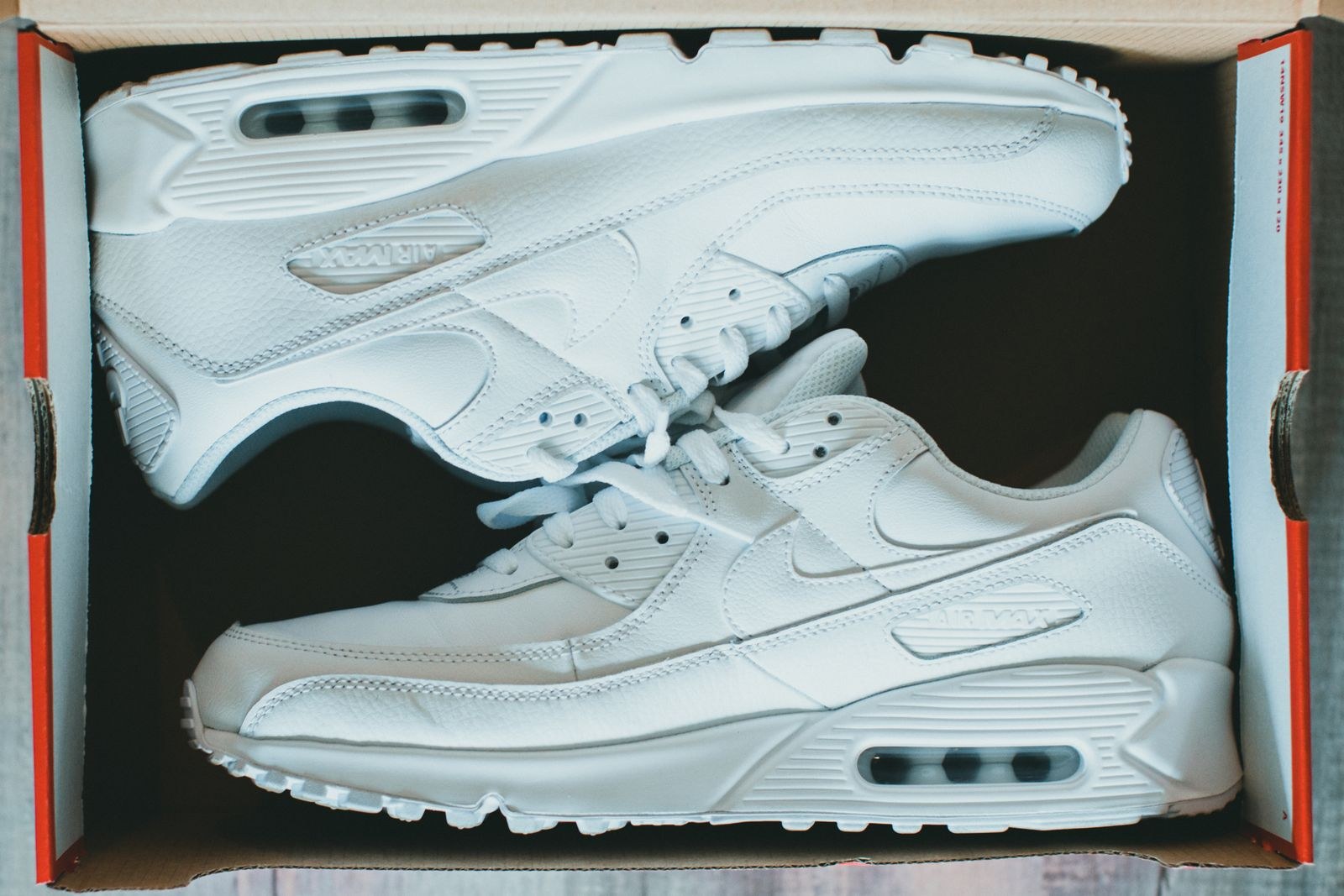
In May 2022 Nike widened the case. Its amended complaint said Nike had bought four pairs of counterfeit Nike shoes on StockX, each with StockX’s “Verified Authentic” hangtag and a receipt describing the shoes as “100% Authentic”, as NPR reported at the time. Nike added false advertising claims aimed at StockX’s marketing of its authentication. StockX called the filing baseless and said Nike’s own brand protection staff had expressed confidence in its programme. FLJ tracks the wider litigation in its Nike lawsuits tracker.
What did the court decide, and how did the case end?
After oral argument on 4 March 2025, Judge Valerie Caproni issued a short order. She granted Nike partial summary judgment “to the extent it seeks a judgment that StockX is liable for distributing counterfeit goods” for the four pairs sold to Nike’s investigators and 33 pairs sold to a buyer named Roy Kim. Nike’s motion was denied in all other respects, and StockX’s own motion was denied in full.
In practice that meant liability on 37 pairs was settled, and everything else, including the NFT claims, the false advertising claims and damages, was left for a jury. The trial was set to begin on 14 October 2025. It never happened. According to Bloomberg Law, the parties filed a stipulation of dismissal on 29 August 2025. Their joint statement, as reported by Complex, said they were “pleased to have resolved this lawsuit amicably” and that the terms would stay confidential.
StockX has stressed that the disputed shoes were about 0.0004% of the 17.8 million Nike sneakers it reviewed while the case was running. That figure is StockX’s own. What the ruling does show is that a verification badge is not a legal shield: a marketplace that sells and ships counterfeits can be liable for them. FLJ’s analysis of who is liable for fakes on resale platforms covers the wider legal picture.
What are your rights if a StockX order goes wrong?
StockX’s main remedy is the Buyer Promise. It covers items that arrive “materially different” from their description: damaged, the wrong item, the wrong size or a different condition. For Verified Marketplace orders and Listings orders where you paid for verification, you must submit a claim within 14 days of delivery, the item must be unworn and in the condition delivered, and any StockX tag must still be attached. Approved returns get a prepaid label and a refund to your original payment method.
Without verification, the route is slower. For Listings and Live orders you message the seller first; the seller can accept a return, reject it or offer a partial refund. If you disagree, you escalate to StockX customer service, which reviews the listing, the live video and the messages. The failed-verification rules set out what happens on each marketplace.
Changing your mind is a separate matter. US buyers can return eligible Verified Marketplace items marked “14 Day Return” within 14 days, but the refund comes as StockX Credit, not cash. In the EU and UK, consumers keep their statutory 14-day right of withdrawal, which StockX says its Buyer Promise does not affect.
Where does the FTC and consumer law come in?
StockX verification is a private promise, not a standard set by any regulator. Federal law still helps buyers in two ways. The INFORM Consumers Act, in force since 27 June 2023, requires online marketplaces to disclose contact details for many high-volume third-party sellers of new products and to give shoppers a way to report suspicious conduct. The FTC’s consumer alert lists items that look fake or counterfeit, and branded goods at unusually low prices, as things to report.
Second, if you paid by credit card and the item was not “delivered as agreed”, the Fair Credit Billing Act lets you dispute the charge. The FTC says your letter must reach the card issuer within 60 days after the first bill showing the charge was sent. Use StockX’s own process first, but keep that deadline in mind. On data, it is worth knowing that StockX confirmed a hack affecting nearly 7 million customer records in August 2019, so use a unique password.
How can you spot problems with a StockX order?
- Check the marketplace before you buy. If the listing is Live, or Listings without verification, nobody at StockX will inspect it.
- Open the parcel straight away and photograph the box, label, item and tag before touching anything. The 14-day clock starts at delivery.
- Leave the StockX tag on until you are sure. A removed tag can end a Buyer Promise claim.
- Compare details with the brand’s own product images: box label, size tag, stitching, materials and smell. FLJ’s guide on how to spot counterfeit luxury before buying lists the usual tells.
- Be wary of prices far below the going rate, especially from sellers asking you to pay off-platform.
For why brands invest so heavily in scarcity and in fighting fakes, the Brand Case Study Pack covers how Chanel, Hermès and Louis Vuitton protect their pricing power.
How does StockX compare with GOAT and eBay?
| Feature | StockX | GOAT | eBay Authenticity Guarantee |
|---|---|---|---|
| Who checks the item | StockX verification team, or a StockX Verified Seller ships directly; Live orders not checked | Standard orders go to GOAT for review before delivery; “Instant” items are pre-verified | eBay’s authenticators at an authentication facility (Stoll & Co. for watches) |
| Categories | Sneakers, apparel, handbags, watches, electronics, collectibles | Sneakers, apparel and accessories | Sneakers, handbags, watches, jewellery, streetwear, trading cards, coins |
| If the item fails | StockX tries another seller at your price, otherwise full refund | Not stated in the returns policy we reviewed | Item not sent; full refund |
| Change-of-mind returns | US: 14 days on eligible items, refund as StockX Credit | 14 days to request, refund as GOAT Credit minus shipping and a processing fee of up to 15% | Depends on the seller’s return policy |
| Not-as-described cover | Buyer Promise, claim within 14 days | Buyer Protection Policy and applicable law | eBay Money Back Guarantee |
Sources: StockX Help Center, GOAT’s returns policy and eBay’s Authenticity Guarantee help page, all checked on 12 November 2026. None of the three publishes an error rate, so no platform can credibly promise zero fakes. If you shop on cheaper marketplaces as well, FLJ’s guides to whether Temu is legit and counterfeits on Amazon cover the refund rules there.
Frequently asked questions
Is StockX legit or a scam?
StockX is a legitimate company based in Detroit that has operated since 2015. It inspects many items before delivery, but a federal court found it liable for selling 37 counterfeit Nike pairs, so its checks are not perfect.
Does StockX sell fakes?
Fakes can slip through. In March 2025 a New York federal judge held StockX liable for distributing 37 pairs of counterfeit Nikes. StockX says such cases are a tiny fraction of the items it reviews.
Did Nike win its lawsuit against StockX?
Nike won partial summary judgment on liability for 37 counterfeit pairs. The NFT, false advertising and damages issues were heading to a jury, but the parties settled and filed to dismiss the case on 29 August 2025 on confidential terms.
Does StockX check every item?
No. Verified Marketplace items are inspected by StockX or shipped by approved Verified Sellers. Listings items are checked only if you pay for verification, and StockX Live orders are not verified.
Can I return shoes to StockX?
If an item is materially different from its description, you can claim under the Buyer Promise within 14 days. US buyers can also return eligible “14 Day Return” items within 14 days, but the refund is StockX Credit.
Is StockX or GOAT safer?
Both inspect most standard orders before delivery and neither publishes an error rate. The bigger difference is returns: GOAT deducts shipping and a processing fee of up to 15% from change-of-mind refunds, while StockX refunds eligible US returns as credit.
Case and policy information is as of 12 November 2026. Marketplace policies change often, so check the current terms before you buy. This article is general information, not legal advice.
Featured image: Image: StockX via Wikimedia Commons, CC0, adapted
FASHION LAW JOURNAL INSIDER
Join designers, brand founders and fashion lawyers who get the biggest brand battles, IP fights and career moves in fashion law, straight to their inbox.