
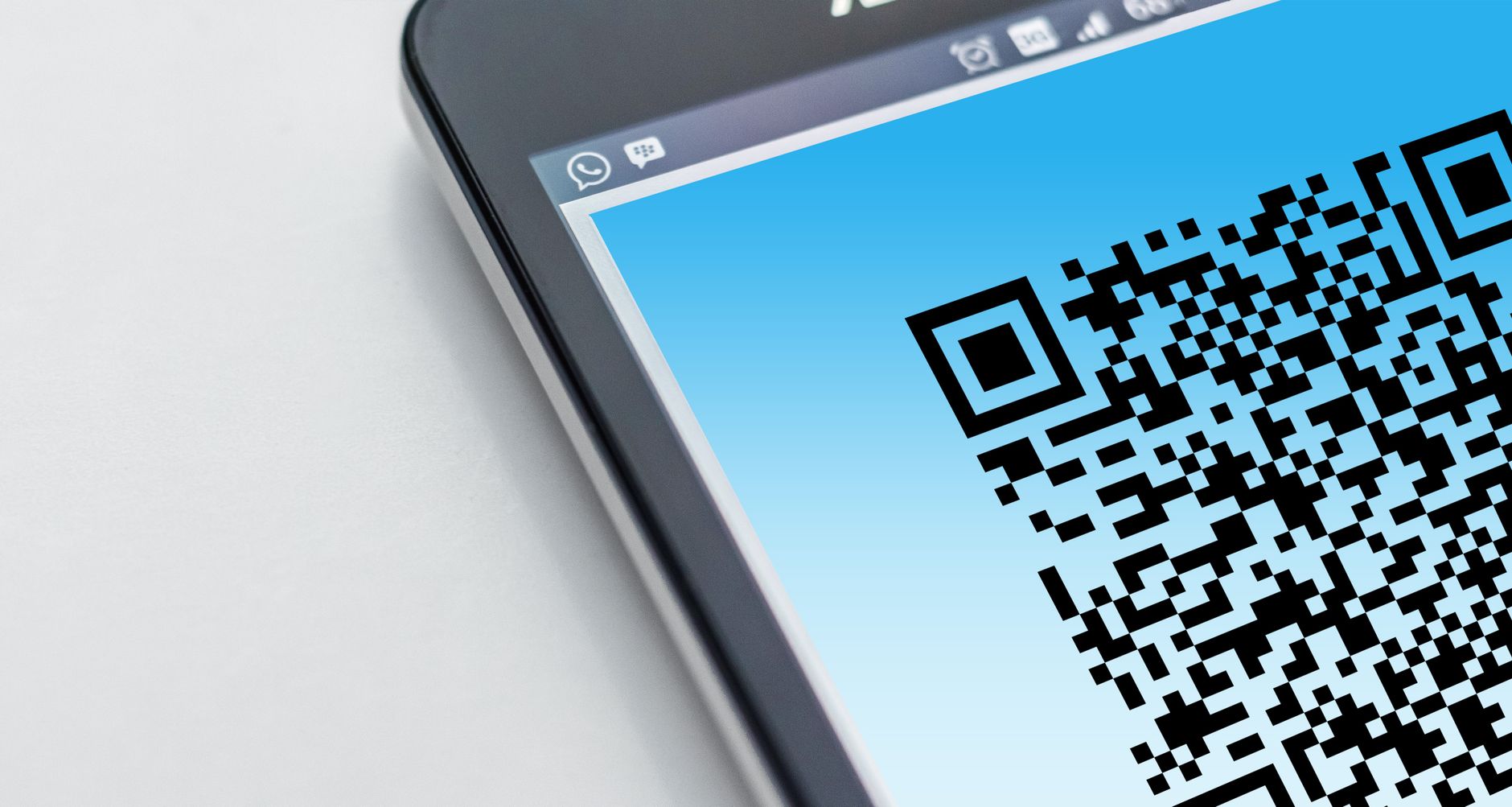
QR code authentication for fashion brands uses scannable tags embedded in products or packaging to verify authenticity. Leading vendors include Certilogo, EON, Authena, and Blue Bite, offering blockchain-backed verification, supply chain tracking, and customer engagement tools. Prices range from $0.10 to $2.00 per tag depending on features, integration depth, and volume.
Why Fashion Brands Are Adopting QR Code Authentication
Counterfeiting costs the global fashion industry over $450 billion annually. Traditional authentication methods like holograms and serial numbers are easy to replicate. QR code authentication for fashion brands offers a digital layer that connects physical products to secure databases.
Luxury houses and streetwear labels alike now embed QR codes in hangtags, labels, and product interiors. Each scan pings a server to confirm the item’s origin, manufacturing date, and ownership history. Some platforms tie codes to blockchain ledgers for tamper-proof records.
Beyond anti-counterfeiting, brands use these codes for warranty registration, resale authentication, and direct-to-consumer marketing. A single scan can trigger product care instructions, style guides, or exclusive content.
What Should You Look for in a QR Code Authentication Vendor?
The right platform depends on your brand’s size, distribution model, and tech infrastructure. Key evaluation criteria include tag durability, database security, integration with existing PLM or ERP systems, and post-purchase consumer engagement features.
Consider whether you need blockchain backing. Some brands prefer immutable ledgers for high-value items like watches or handbags. Others find centralized databases sufficient for apparel and accessories.
Check the vendor’s white-label options. Many luxury brands want authentication without visible third-party branding. API flexibility matters if you plan to build custom apps or connect to resale platforms like The RealReal or Vestiaire Collective.
Data ownership is critical. Ensure your contract specifies who owns scan data, customer information, and product records. Some vendors monetize aggregate data, which may conflict with your privacy policies.
Leading QR Code Authentication Vendors for Fashion
Certilogo, acquired by LVMH-backed Aura Blockchain Consortium, serves brands including Prada, Moncler, and Off-White. The platform offers multi-layer verification: public scans show authenticity, while registered users access product history and resale certification. Tags cost approximately $0.50 to $1.50 each at enterprise volume.
EON focuses on product passports and circular economy tools. Brands like Alyx and Rag & Bone use EON codes to share garment composition, care instructions, and end-of-life recycling options. The platform integrates with resale marketplaces and offers sustainability reporting dashboards. Pricing starts around $0.40 per tag for basic authentication.
Authena uses AI-powered visual fingerprinting alongside QR codes. Each tag contains microscopic random patterns photographed during production. Scans compare the current image to the original fingerprint, detecting even sophisticated counterfeits. The company works with Swiss watchmakers and Italian leather goods brands. Expect $1.00 to $2.00 per tag due to the advanced imaging.
Blue Bite specializes in connected packaging and experiential retail. QR codes link to dynamic content: lookbook videos, AR try-on features, or limited-edition drops. Fashion brands use Blue Bite for launch campaigns and pop-up activations. The platform charges per experience rather than per tag, with annual contracts starting around $25,000 [VERIFY pricing].
How Do Implementation Costs Compare?
Beyond per-tag fees, budget for integration, design, and ongoing platform subscriptions. Most vendors charge setup fees between $5,000 and $50,000 depending on customization depth and system integrations.
| Vendor | Per-Tag Cost | Setup Fee | Annual Platform Fee | Blockchain Option |
|---|---|---|---|---|
| Certilogo | $0.50 – $1.50 | $10,000 – $30,000 | Included in tag pricing | Yes (Aura) |
| EON | $0.40 – $0.80 | $5,000 – $15,000 | $12,000+ | Optional |
| Authena | $1.00 – $2.00 | $15,000 – $50,000 | $18,000+ | Yes |
| Blue Bite | Included in license | $10,000 – $25,000 | $25,000+ | No |
Volume discounts apply above 100,000 units annually. Some vendors offer tiered pricing based on SKU count or geographic regions covered.
Can QR Codes Actually Stop Counterfeits?
QR authentication raises the bar but does not eliminate counterfeiting. Sophisticated operators copy legitimate codes and apply them to fakes. Consumers scanning those codes see valid authentication results.
The most effective systems use single-use or cryptographically unique codes. Each scan logs location, timestamp, and device fingerprint. Multiple scans from different geographies trigger fraud alerts. Certilogo and Authena both offer this multi-scan detection.
Physical tag security matters. Tamper-evident labels, NFC chips embedded in QR tags, and placement in hard-to-reach product areas all deter code swapping. Some brands place codes inside garment seams or under removable linings.
Consumer education is essential. Brands must teach customers where to find the code, what a legitimate scan result looks like, and how to report suspicious items. Without user awareness, even advanced systems fail.
What Legal Considerations Apply?
QR code authentication creates new data flows subject to privacy regulations. Each scan collects device IDs, location data, and often requires account registration. EU brands must ensure GDPR compliance, including explicit consent and data portability rights.
In the US, state privacy laws like California’s CCPA and Virginia’s VCDPA apply. Your vendor agreement should specify data processing roles. If the vendor is a processor, your contract must include required safeguards and breach notification terms.
Authentication data can become evidence in trademark infringement cases. Preserve scan logs showing counterfeit items and their distribution patterns. Spoliation sanctions apply if you delete data relevant to pending litigation.
Consumer protection statutes may require accurate authentication. If your system falsely authenticates counterfeits due to negligence, affected buyers could assert claims under state deceptive practices laws. Maintain audit trails showing system accuracy rates and fraud detection protocols.
How Do Authentication Systems Integrate with Resale Platforms?
The secondhand luxury market exceeded $50 billion in 2025 [VERIFY]. Authentication now bridges primary and resale channels. Platforms like Rebag, Fashionphile, and StockX integrate with Certilogo and EON to verify consigned items.
When a customer resells an authenticated product, the QR code updates with the new owner’s information. This creates a provenance chain valuable for vintage and archive pieces. Hermès Birkins and Rolex watches command premiums when full ownership history is documented.
Some brands restrict resale through authentication systems, voiding warranties or blocking features if unauthorized transfers occur. This raises antitrust and first-sale doctrine questions. The FTC has indicated interest in repair and resale restrictions tied to digital authentication [VERIFY FTC position as of 2026].
What Are Emerging Technologies in Product Authentication?
NFC tags offer tap-to-verify experiences without camera scanning. Brands like Moncler embed NFC chips in coat zippers and buttons. The technology costs more, typically $2 to $5 per tag, but provides stronger security than printed QR codes.
Digital product passports will become mandatory in the EU under upcoming regulations [VERIFY timeline]. These passports, often accessed via QR codes, must disclose material composition, environmental impact, and repairability information. Vendors are building compliance tools into authentication platforms.
AI-powered visual authentication is advancing. Entrupy and Heuritech scan product details like stitching, hardware, and material texture to verify authenticity without any physical tag. This supplements QR systems, catching counterfeits that bypass tag security.
Brands are experimenting with token-gated experiences. Scanning an authenticated product unlocks NFTs, metaverse wearables, or members-only communities. RTFKT and The Fabricant already link physical streetwear to digital twins via QR verification.
Choosing the Right Authentication Partner
Match vendor capabilities to your brand’s authentication goals. If anti-counterfeiting is the priority, choose platforms with strong fraud detection and law enforcement collaboration. Certilogo and Authena excel here.
For sustainability-focused brands, EON’s circular economy tools and product passport features align with transparency mandates. Blue Bite suits brands prioritizing experiential marketing over pure authentication.
Test vendor responsiveness and support quality. Authentication failures damage brand trust. Your vendor should offer 24/7 support, rapid fraud investigation, and clear escalation paths for consumer complaints.
Negotiate contract terms carefully. Address data ownership, platform migration rights, and what happens if the vendor is acquired or shuts down. Lock in pricing for multi-year commitments and include volume discount triggers.
QR code authentication for fashion brands is now a standard brand protection tool. The right vendor partnership balances security, user experience, and long-term scalability as authentication technology continues to evolve.
Frequently Asked Questions
How much does QR code authentication cost for small fashion brands?
Small brands can start with basic authentication for $0.40 to $0.80 per tag plus a $5,000 to $15,000 setup fee. Vendors like EON offer tiered pricing for emerging labels. Minimum commitments typically start around 10,000 tags annually, though some platforms accommodate smaller runs.
Can counterfeiters copy QR codes?
Yes, counterfeiters can replicate QR codes visually. Advanced systems combat this with cryptographically unique codes, multi-scan detection, and tamper-evident tags. Platforms log each scan’s location and device, flagging codes scanned repeatedly from different geographies. Physical tag security and consumer education further reduce risk.
Do consumers actually scan authentication QR codes?
Scan rates vary widely by category and price point. Luxury goods see 15-30% scan rates, while mass-market apparel typically achieves 2-5% [VERIFY current rates]. Brands increase engagement by offering product care guides, warranty registration, or exclusive content alongside authentication. Clear placement instructions and in-store education improve adoption.
Are QR authentication systems GDPR compliant?
Compliance depends on implementation. Vendors must obtain explicit consent before collecting personal data, disclose data usage clearly, and enable deletion requests. Your vendor should act as a data processor with a compliant processing agreement. EU brands must conduct data protection impact assessments for systems processing location or device data.
Can authentication codes work without internet connectivity?
Most QR authentication requires internet to verify against secure databases. Some hybrid systems use NFC tags with encrypted data stored on-chip, allowing offline preliminary checks. Full verification still requires online validation. Brands operating in regions with limited connectivity should discuss offline capabilities during vendor selection.
FASHION LAW JOURNAL INSIDER
Join designers, brand founders and fashion lawyers who get the biggest brand battles, IP fights and career moves in fashion law, straight to their inbox.