


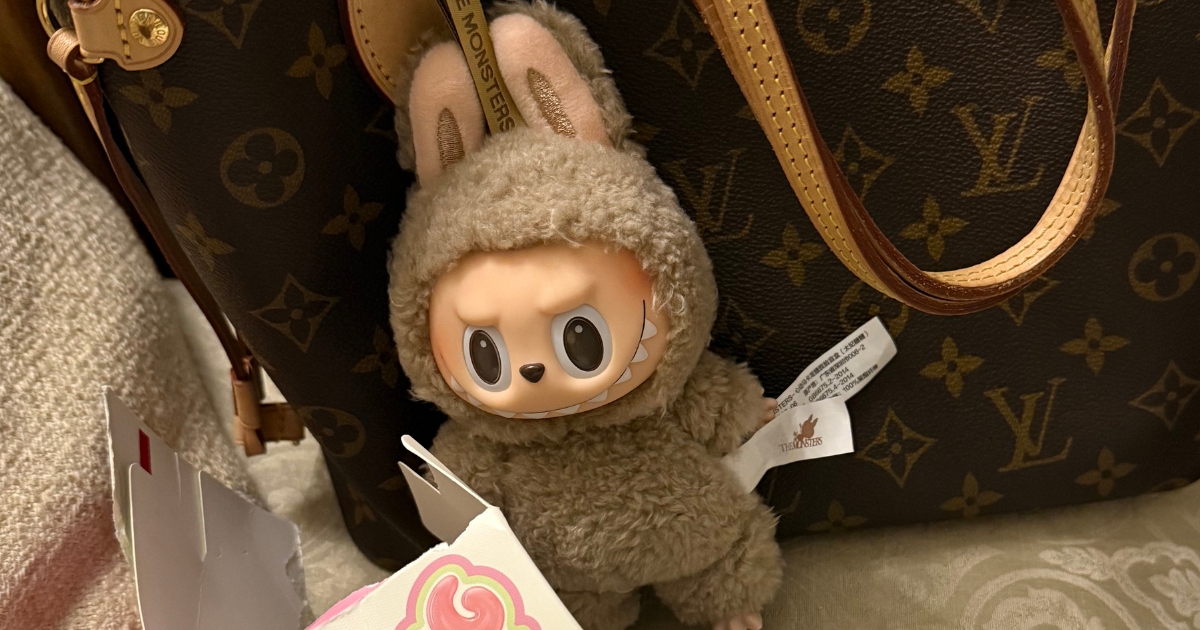
You know those moments when a cute little collectible toy suddenly becomes the thing everyone wants? That’s exactly what happened with Labubu, one of the stars from Pop Mart’s “The Monsters” series. Thanks to the whole blind box craze, these mystery toys have become serious business. The thrill of “Which one will I get?” is addictive. Some of these rare Labubu figures are selling for thousands of dollars on resale platforms.
Agreed that Labubu, the mischievous, slightly unsettling gremlin-like character with a toothy grin, has taken the collectible toy world by storm. But here is the thing no one tells you when a product goes viral: the challenges of protecting intellectual property (IP) in a market flooded with fakes. Success attracts fakes.
Labubu’s popularity has exploded, fuelled by social media and the “blind box” phenomenon. These toys, sold in sealed boxes, offer a thrill of the unknown, driving demand, and creating a robust secondary market. But this hype has attracted counterfeiters eager to cash in. The problem isn’t just lost revenue; it’s reputational damage and potential safety concerns for consumers.
Pop Mart, the Chinese toy giant behind Labubu, faces a constant battle to protect its investment. Labubu’s design, character, and associated branding are all valuable assets, theoretically protected by trademarks and copyrights. However, enforcing these rights across different countries, especially in regions where counterfeiting is rampant, presents a formidable challenge.
Counterfeit toys are a global menace, estimated to cost the industry billions of dollars each year. In 2022, the OECD valued the global trade in counterfeit and pirated goods at $464 billion, with toys being a significant part of that. These fake products often bypass safety regulations, posing a risk to children. The allure of lower prices can be tempting, but the hidden costs, from poor quality to potential health hazards, are significant.
Pop Mart’s experience highlights the need for toy companies to be proactive in protecting their Intellectual Property. This means that companies need to secure their trademarks and copyrights by registering their brand names, packaging, logos, and character designs in the key markets. Furthermore, companies should keep a close eye on the market, especially e-commerce, for potential infringements and take swift action against such counterfeiters.
These steps are crucial for preserving brand value, protecting revenue streams, and ensuring consumer safety.
Businesses need to understand that protecting their brand goes beyond just registering a trademark. They should consider strategies such as global registrations, registering their trademarks with customs authorities to help prevent counterfeit goods from entering the country, employing AI-powered tools to detect counterfeit listings online, and having a robust IP protection bubble in place.
The fight against counterfeit toys is an ongoing battle, and the same is clear from the example of Labubu toys. To stay ahead of the game, toy companies need to be adaptable and innovative. Another critical yet often overlooked layer of brand protection is the protection of branding. Unique, tamper-proof packaging designs, holographic seals, QR codes, or RFID tags not only enhance brand appeal but also make it significantly harder for counterfeiters to replicate products convincingly. Furthermore, it is not just the logo or character designs that need protection, companies also need to protect their packaging and branding holistically.
The story of Labubu is a powerful reminder that success comes with responsibility. Protecting your IP is not just about protecting your bottom line; it’s about protecting your brand, your consumers, and the integrity of the toy industry. While Pop Mart faces an uphill battle, its efforts demonstrate the high stakes involved in protecting a valuable brand in today’s global marketplace.