

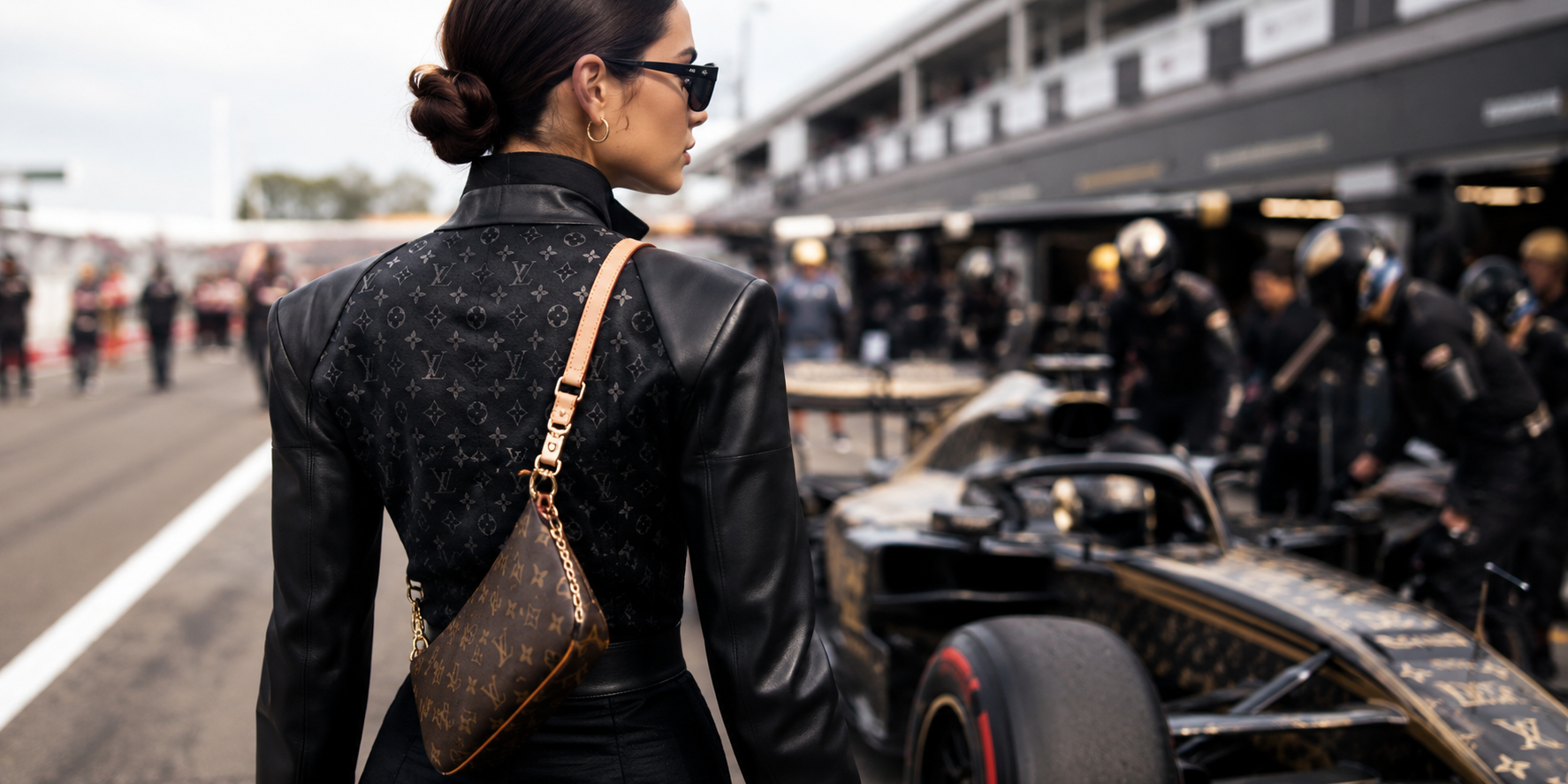
For decades, Formula 1 was perceived primarily as the pinnacle of motorsport engineering, a competition defined by speed, technology, and sporting excellence. Today, however, Formula 1 has evolved into something far greater: a global luxury lifestyle platform where fashion, entertainment, technology, and intellectual property converge.
The transformation of Formula 1 from a niche sporting event into a cultural phenomenon has attracted some of the world’s most recognizable luxury brands. Fashion houses, watchmakers, cosmetics companies, technology giants, and lifestyle brands increasingly view Formula 1 as an aspirational marketing platform capable of delivering global visibility and access to affluent consumers. The result is a sophisticated commercial ecosystem built upon licensing, sponsorship, merchandising, advertising, digital content, and brand collaborations.
Behind every Formula 1 fashion collection, luxury partnership, celebrity campaign, and co-branded product lies a carefully structured framework of intellectual property rights. Trademarks, copyrights, designs, image rights, and contractual protections collectively enable stakeholders to monetize their brands while preserving exclusivity and commercial value.
As Formula 1 continues to expand its influence beyond the racetrack, it offers one of the most compelling case studies of intellectual property commercialization in the modern luxury economy.
Formula 1: From Sporting Competition to Global Lifestyle Brand
Historically, Formula 1 generated revenue through broadcasting rights, race-hosting fees, sponsorships, and ticket sales. While these revenue streams remain important, the sport’s commercial strategy has evolved dramatically in response to changing consumer behaviour and digital engagement.
The emergence of social media, streaming platforms, celebrity culture, and documentary programming has transformed Formula 1 into a mainstream entertainment property. The success of Netflix’s Drive to Survive accelerated this transition, introducing Formula 1 to younger audiences and expanding its appeal beyond traditional motorsport fans.
Consequently, Formula 1 teams have become lifestyle brands in their own right. Their logos, colour schemes, racing liveries, merchandise, digital content, and driver personalities represent valuable intellectual property assets capable of generating substantial revenue through commercial exploitation.
Luxury brands have recognized this opportunity. Formula 1 embodies many of the values associated with luxury goods: performance, exclusivity, innovation, craftsmanship, and prestige. Unsurprisingly, sport has become an increasingly attractive platform for luxury brand partnerships and fashion collaborations.
Intellectual Property as the Engine of Formula 1’s Commercial Success
The modern Formula 1 economy is fundamentally an intellectual property economy.
Virtually every commercially valuable element of the sport is protected through one or more forms of intellectual property rights.
Trademark Protection
Trademarks protect team names, logos, race event names, merchandise branding, sponsor identifiers, slogans, and visual branding elements.
For Formula 1 teams, trademarks are among their most valuable assets. They enable rights holders to control commercial use, prevent unauthorized exploitation, and maintain brand distinctiveness across global markets.
The value of these trademarks extends far beyond motorsport. Team marks frequently appear on apparel, watches, footwear, accessories, collectibles, and luxury products sold worldwide.
Copyright Protection
Copyright protects race broadcasts, promotional campaigns, advertising materials, digital content, documentaries, photographs, social media content, and merchandising artwork.
As Formula 1 increasingly relies upon content-driven engagement, copyright ownership and licensing have become central components of commercial negotiations.
Design Rights
Fashion collaborations and luxury merchandise frequently involve protectable design elements.
The visual appearance of apparel, accessories, luggage, footwear, and collectibles associated with Formula 1 collaborations may be protected through registered or unregistered design rights, helping preserve exclusivity and prevent imitation.
Image and Personality Rights
Drivers have evolved into powerful personal brands whose names, signatures, likenesses, social media presence, and public personas possess significant commercial value.
Their identities are routinely licensed for advertising campaigns, endorsement deals, fashion collaborations, and luxury brand partnerships, making image rights an increasingly important component of Formula 1’s commercial ecosystem.
Licensing: Monetizing Formula 1 Beyond the Racetrack
Licensing remains one of the most effective methods through which Formula 1 intellectual property is commercialized.
Through licensing agreements, rights holders authorize third parties to use protected intellectual property in exchange for royalties, minimum guarantees, or revenue-sharing arrangements.
Typical licensing arrangements include:
- Fashion and apparel collections;
- Luxury watches and jewellery;
- Footwear and accessories;
- Toys and collectibles;
- Digital products and gaming content;
- Lifestyle merchandise; and
- Experiential retail activations.
From a legal perspective, licensing agreements must address:
- Scope of rights;
- Territory;
- Duration;
- Royalty structures;
- Quality-control obligations;
- Marketing approvals;
- Audit rights; and
- Enforcement responsibilities.
Quality-control provisions are particularly important. Trademark owners must exercise sufficient control over licensed products to preserve brand integrity and prevent dilution of trademark rights.
The success of Formula 1 licensing demonstrates how sporting intellectual property can be transformed into consumer products that generate revenue long after the chequered flag falls.
Luxury Partnerships in Practice: Formula 1’s Fashion Economy
The convergence of Formula 1 and luxury fashion is best illustrated through high-profile collaborations that extend well beyond traditional sponsorship.

Louis Vuitton and Formula 1
The partnership between Louis Vuitton and Formula 1 reflects the growing alignment between luxury branding and elite sporting events.
Louis Vuitton’s bespoke trophy trunks and event-related branding initiatives illustrate how luxury companies increasingly seek cultural relevance through association with prestigious sporting properties.
From an intellectual property perspective, such collaborations require sophisticated licensing arrangements governing trademark usage, co-branding rights, advertising permissions, approval procedures, and territorial restrictions.
The relationship demonstrates how luxury brands increasingly view Formula 1 as a storytelling platform rather than merely a sponsorship opportunity.
TAG Heuer and Red Bull Racing
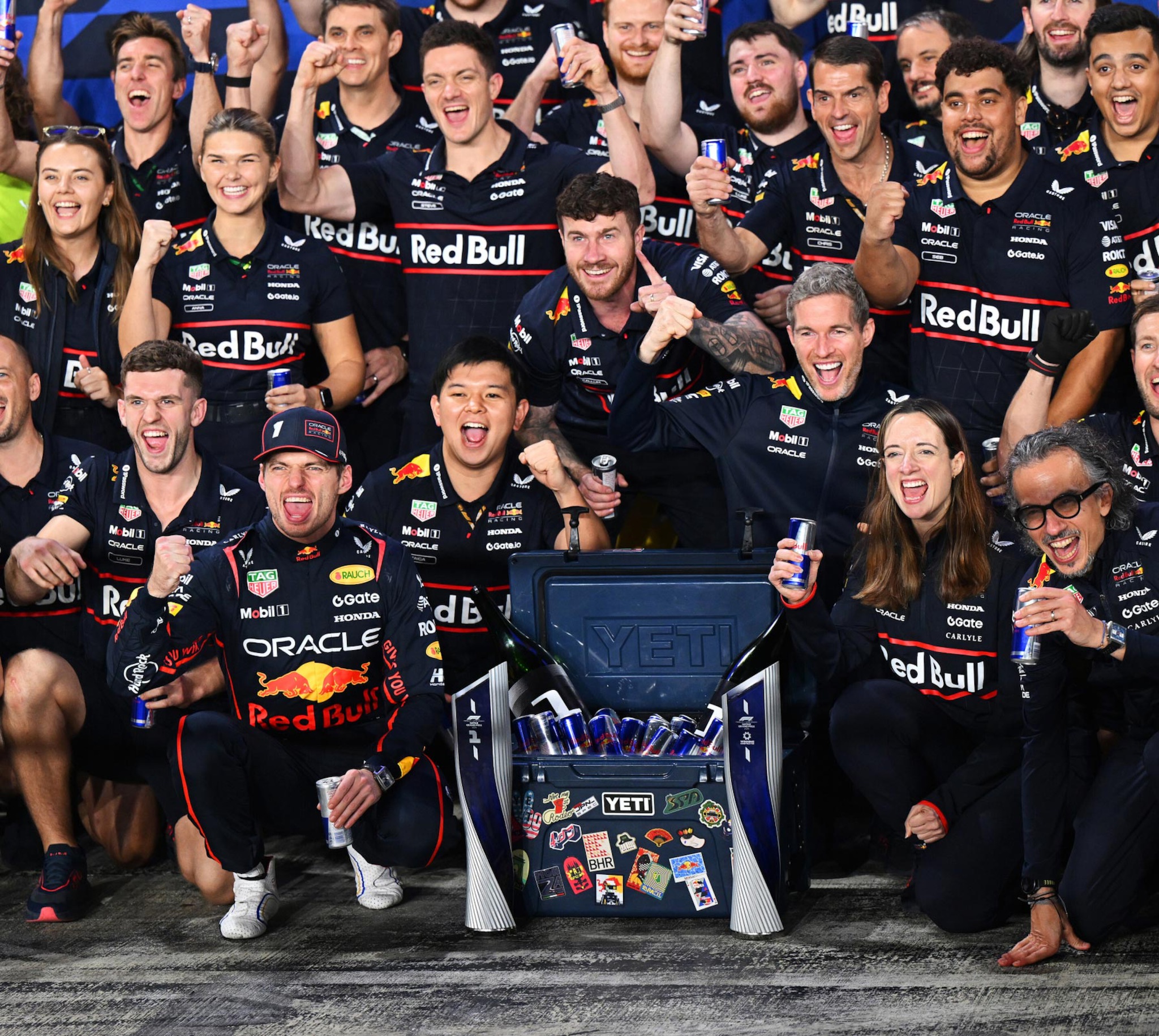
The collaboration between TAG Heuer and Red Bull Racing exemplifies the evolution of sponsorship into long-term strategic partnership.
The relationship extends beyond logo placement to encompass product integration, hospitality programmes, digital content creation, athlete endorsements, and global marketing campaigns.
Legally, such partnerships require detailed provisions addressing trademark licences, image rights, exclusivity obligations, content ownership, and reputation management.

Tommy Hilfiger and Mercedes
The long-standing association between Tommy Hilfiger and Mercedes illustrates how Formula 1 teams have become fashion platforms.
Through co-branded apparel, retail campaigns, and lifestyle marketing initiatives, Formula 1 branding is transformed into consumer fashion products.
These arrangements involve complex intellectual property considerations concerning trademark ownership, product approvals, merchandising rights, design protection, and advertising permissions.

Prada and the America’s Cup: A Useful Comparison
Although outside motorsport, Prada’s involvement with the America’s Cup offers valuable comparative insights.
Both Formula 1 and elite sailing have evolved into intellectual property ecosystems where sporting participation serves as a foundation for broader commercial exploitation through merchandising, hospitality, licensing, content production, and luxury branding.
The comparison highlights a broader trend: elite sports are increasingly being transformed into luxury lifestyle properties through sophisticated intellectual property management.
Driver Image Rights: Formula 1’s Most Valuable Fashion Asset
One of the most significant developments within Formula 1’s commercial ecosystem is the rise of drivers as independent lifestyle and fashion brands.
Historically, a driver’s commercial value was linked primarily to athletic performance. Today, drivers possess immense influence across social media, luxury marketing, fashion campaigns, and entertainment platforms.
Few examples illustrate this evolution better than Lewis Hamilton.
Hamilton has successfully positioned himself beyond motorsport through collaborations with luxury fashion brands, appearances at international fashion weeks, editorial campaigns, and advocacy initiatives relating to diversity and sustainability. His influence demonstrates how Formula 1 drivers can transcend sport and become global fashion personalities.
The commercial exploitation of driver image rights may include:
- Luxury fashion campaigns;
- Watch endorsements;
- Fragrance partnerships;
- Social media advertising;
- Personal merchandise collections;
- Capsule fashion collaborations; and
- Brand ambassador agreements.
From a legal perspective, image rights transactions frequently involve overlapping rights relating to trademarks, publicity rights, copyrights, endorsements, and contractual restrictions.
As drivers become increasingly valuable marketing assets, sponsorship agreements often require separate negotiations regarding social media obligations, campaign participation, personal appearances, and advertising usage rights.
In many cases, a driver’s personal brand may become as commercially valuable as the team for which they compete.
Sponsorship Agreements: Intellectual Property at the Core
Despite their marketing appearance, Formula 1 sponsorship agreements are fundamentally intellectual property transactions.
Sponsors typically receive limited rights to use team trademarks, logos, visual assets, and, where applicable, driver image rights.
Several provisions are particularly significant.
Ownership of Intellectual Property
Parties must clearly determine ownership of newly created content, campaign materials, product designs, and marketing assets.
Failure to address ownership may lead to disputes regarding future exploitation and commercialization.
Brand Usage Controls
Luxury brands devote considerable resources to preserving their reputation and visual identity.
Accordingly, sponsorship agreements typically contain extensive approval mechanisms governing advertising materials, packaging, product launches, media communications, and social media campaigns.
Exclusivity
Sponsors often negotiate category exclusivity rights preventing competitors from securing comparable commercial relationships within the same team or event ecosystem.
Morality Clauses
Given the reputational sensitivity of luxury fashion and global sport, agreements frequently include termination provisions linked to conduct that may damage brand value or public perception.
These clauses have become increasingly important in an era where reputational crises can emerge and spread rapidly through digital media.
Ambush Marketing and the Protection of Event Intellectual Property
As Formula 1’s commercial value has increased, so too have attempts by non-sponsors to create unauthorized associations with races, teams, and drivers.
This practice commonly known as ambush marketing epresents one of the most significant threats to event-related intellectual property.
Ambush marketing may involve:
- Unauthorized promotional campaigns;
- Misleading sponsorship claims;
- Social media activities implying official affiliation;
- Event-themed advertising;
- Promotional activities near race venues; and
- Strategic use of imagery designed to evoke Formula 1 associations.
The challenge is that many ambush marketing campaigns are carefully structured to avoid direct trademark infringement while still benefiting from public perceptions of association.
To address these risks, Formula 1 stakeholders rely upon a combination of legal mechanisms.
Trademark Enforcement
Registered trademarks remain the primary tool for preventing unauthorized commercial associations and protecting event branding.
Contractual Restrictions
Race organizers impose extensive contractual obligations on venue operators, suppliers, hospitality partners, broadcasters, and commercial participants.
Passing Off and Unfair Competition Actions
Where advertisers create misleading impressions of sponsorship or endorsement, rights holders may rely upon passing off, unfair competition, or false advertising claims.
Digital Enforcement
The rise of influencer marketing and social media has created new enforcement challenges.
Formula 1 rights holders increasingly monitor online content, influencer campaigns, marketplaces, and digital advertising to identify unauthorized commercial associations.
As artificial intelligence and virtual advertising technologies continue to develop, protecting event intellectual property is likely to become even more complex.
Counterfeiting and Brand Protection
Commercial success inevitably attracts counterfeit activity.
Formula 1 merchandise, luxury collaborations, and limited-edition fashion collections are frequent targets for counterfeiters operating through online marketplaces and cross-border distribution networks.
To protect brand value, rights holders employ a multi-layered enforcement strategy that includes:
- Trademark registrations;
- Customs recordal programmes;
- Domain name recovery actions;
- Marketplace monitoring;
- Social media enforcement;
- Private investigations; and
- Strategic litigation.
For luxury brands, enforcement is not merely about revenue recovery. Counterfeit products undermine exclusivity, damage reputation, and dilute the prestige upon which luxury branding depends.
Conclusion
Formula 1’s evolution from a sporting competition into a global fashion and lifestyle platform offers one of the most compelling examples of intellectual property commercialization in the modern economy.
Licensing programmes, sponsorship agreements, driver endorsements, luxury collaborations, and digital content initiatives have transformed Formula 1 into an ecosystem where trademarks, copyrights, designs, and image rights generate substantial value beyond the racetrack.
The partnerships between Louis Vuitton and Formula 1, TAG Heuer and Red Bull Racing, Tommy Hilfiger and Mercedes, and the broader comparisons with luxury sporting properties such as Prada’s America’s Cup involvement illustrate how intellectual property now sits at the centre of modern sports marketing.
As the boundaries between fashion, entertainment, technology, and sport continue to blur, Formula 1 demonstrates that the future of luxury branding is not merely about products; it is about creating, licensing, protecting, and monetizing intellectual property-driven experiences.
In the Formula 1 fashion economy, speed may capture attention, but intellectual property ultimately drives value.
FASHION LAW JOURNAL INSIDER
Join designers, brand founders and fashion lawyers who get the biggest brand battles, IP fights and career moves in fashion law, straight to their inbox.