
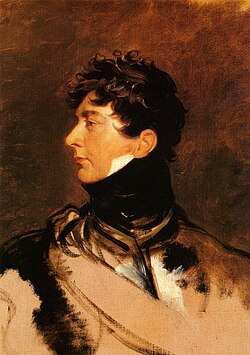
Despite being dubbed the “Georgian Era,” the Regency had its own series. The rule of George IV during his father’s absence and incompetence was called the Regency era. It spanned from 1811- 1820. Social structure, the arts, politics, and fashion had massive shifts that remained prominent in the history books.
Fashion as we know it was not what it is today. The key to looking your best was to outdress the crowd. And by that I mean, go all out, even if it meant not fitting through your regular doors.
EXTRAVAGANT was the theme, and EXTRAVAGANT they shall seem.
But the real question is, did the Regency era strip off the extravagance its predecessors had, or did it redefine what extravagant meant?
FLJ Insider Pro is open: live fashion law jobs and internships, five career guides and two roadmaps. Early bird USD 12/month. See what's inside
To answer that, we need an analysis of Regency fashion.
The Layers of the Regency Fashion Lookbook.
The Neoclassical period, which was the major source of inspiration for the Regency period, ran from the years 1660-1830. The period looked to the Greeks and Romans for their newfound lifestyle because they mimicked the purity and neatness of details and symmetry.
The women had to put on layers to complete the ensemble.
The Chemise, or the shift, was an undergarment that women wore during this era, similar to that from previous eras. It was often made of linen or cotton.
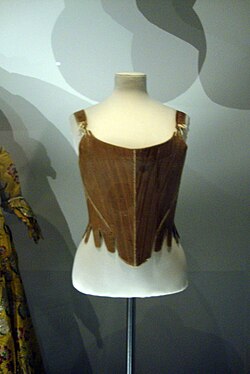
The Stays, were a boned bodice that women wore and used to shape the bust of the women. They are conical in shape but nothing similar to that of the Victorian corset, which was usually worn to achieve the hourglass shape. It was tightly laced, either from the front or the back.
After the stays, the petticoat was worn as an underskirt. It served as protection, as most of the gowns worn were practically see- through. It also added volume to the gown.
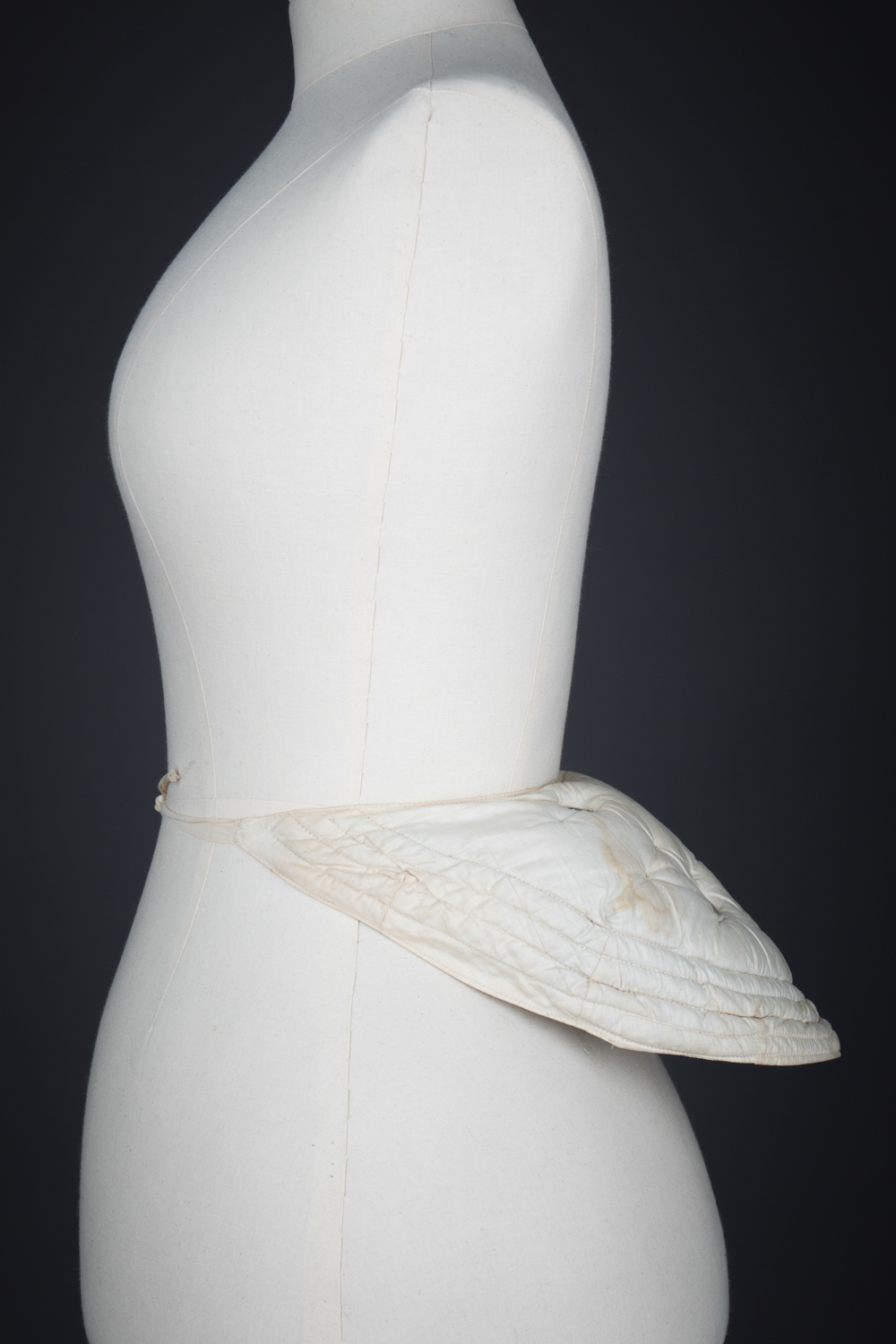
The Bustle pad was worn underneath the outer dress. It was often attached to the stays. Its main function was to add a little dimension to the skirt. It had a peculiar half-moon pillow shape.
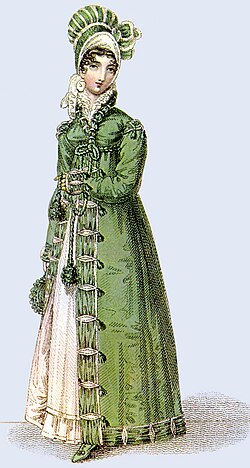
A pelisse was a long coat with long sleeves. They were high-waisted and made with the finest fabric of silk, satin, velvet, sarnet, or fine wool. They were adorned with excellent embroidery and fine buttons. During the summer, they came in lighter colours, but during Autumn, colours were darker than usual.
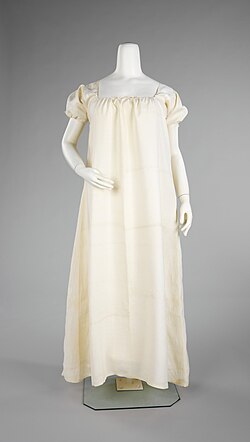
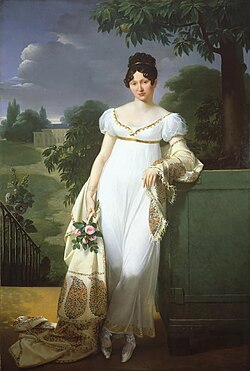
The Gown had the most notable change. The gown had a high empire waistline which was just below the bust, with a long, flowy, column skirt. Most of the gowns had a low neckline, and sleeves were short and puffed. The gowns were made of muslin, lawn and cambric. They would also wrap themselves in shawls and wraps during the cold.
Some pieces were similar to Regency’s predecessors, while some were not so much of a standout among the crowd. If you put three women in a room, each from their own fashion era, it is quite obvious that the Baroque and the Rococo women would outshine the women from the Regency era.
The Regency Men- The Dandyman
The men during this period had a different outlook altogether. The Dandies were the men of the season. Their unique and neat style inspired many. The dandy lifestyle was made famous by Beau Brummell.
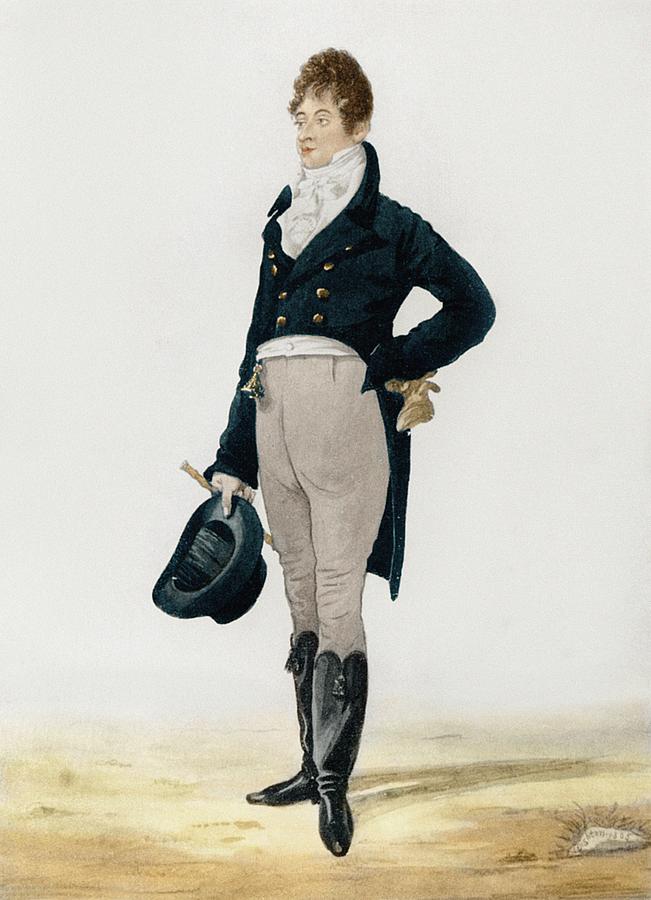
The dandies popularised the tailed coats and waistcoats, the pantaloons, starched white cravats, the top hat and the Hessian boots. All of which were in contrast with the Macaronis or the Fops. Even King Louis XIV, the Sun King and Fashion King, would not approve of this simplistic lifestyle.
Did Regency redefine ‘Extravagance’?
The hushed tones of the Regency era might have one think that the people of that period were sick of the extravagant lifestyle. But before I dive into the Regency’s definition of extravagant, let’s look into what extravagant really means.
Extravagant meant going all out and spending more than usual. Simple. So, did they do just that?
Looking back on the fashion lookbooks of the Baroque and the Rococo eras, there was a magnificent stride through the decades. It was all about colours, bold and subtle pastels, glamorous jewellery of gold, silver, and pearls, and expensive gemstones of diamonds, emeralds, and rubies, and large wigs and all- out hairstyles. Their silhouettes were also elaborate.
The same was for the Macaronis. Their high-towered powdered wigs were the highlights of their outfit. They also walked around in their tight-fitting waistcoats, knee-length breeches, and heavily decorated coats. Let’s also include shoes with diamond buckles and shoes with high heels.
To summarise their ensemble, for the people of the Baroque and Rococo era, extravagant meant more and impressively massive. They showed their wealth through their quantity.
The refined lifestyle of the Regency, on the other hand, valued simplicity, finer fabrics with delicate trimming and embroidery, Empire high waists, neater hairstyles with decorative headpieces, and high–quality jewellery. Even the Dandies moved on to a simpler, cleaner, and fresher look over the extreme-looking Macaronis.
Their definition of extravagant was better and more tasteful. Befitting the shift in fashion threads through time.
To say that Regency fashion had lost its extravagance is certainly not true. The shift to a new setting in fashion during the Regency period was an evident thing, as fashion had been doing this for past decades and centuries. The desire to embrace the Neoclassical lifestyle was all the rage, and it meant changing anything that screamed ROCOCO or BAROQUE. They seemed to have embodied the simpler and well- put fashion over the excessive ensembles. That itself was an extravagant and bold move. And let’s be honest, Regency fashion was far more fanciful if you ask me; I mean, who does not want to become Elizabeth Bennet in that gown and watch Mr Darcy come up to you with his dandiness?
Also Read:
FASHION LAW JOURNAL INSIDER
Join designers, brand founders and fashion lawyers who get the biggest brand battles, IP fights and career moves in fashion law, straight to their inbox.