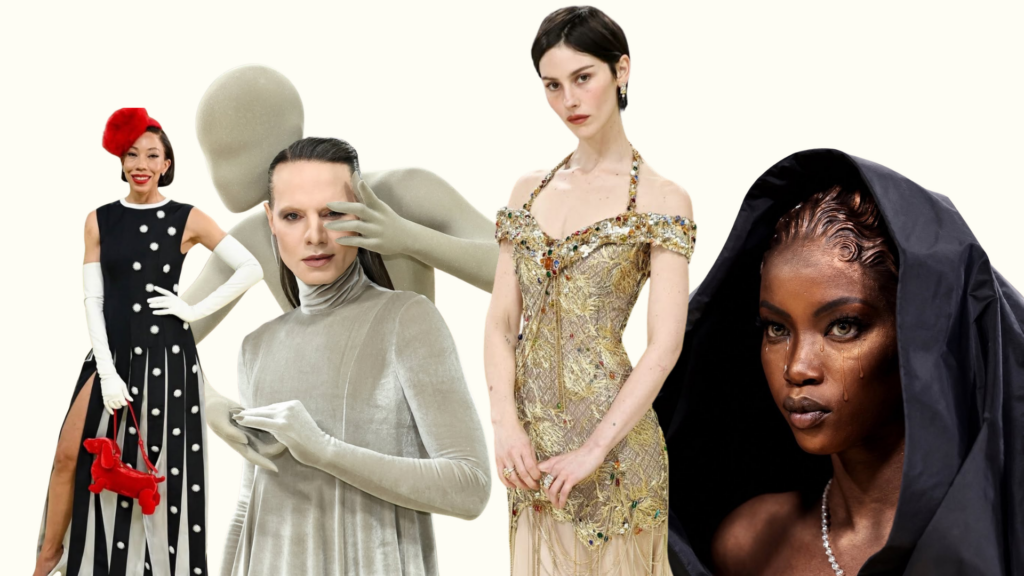

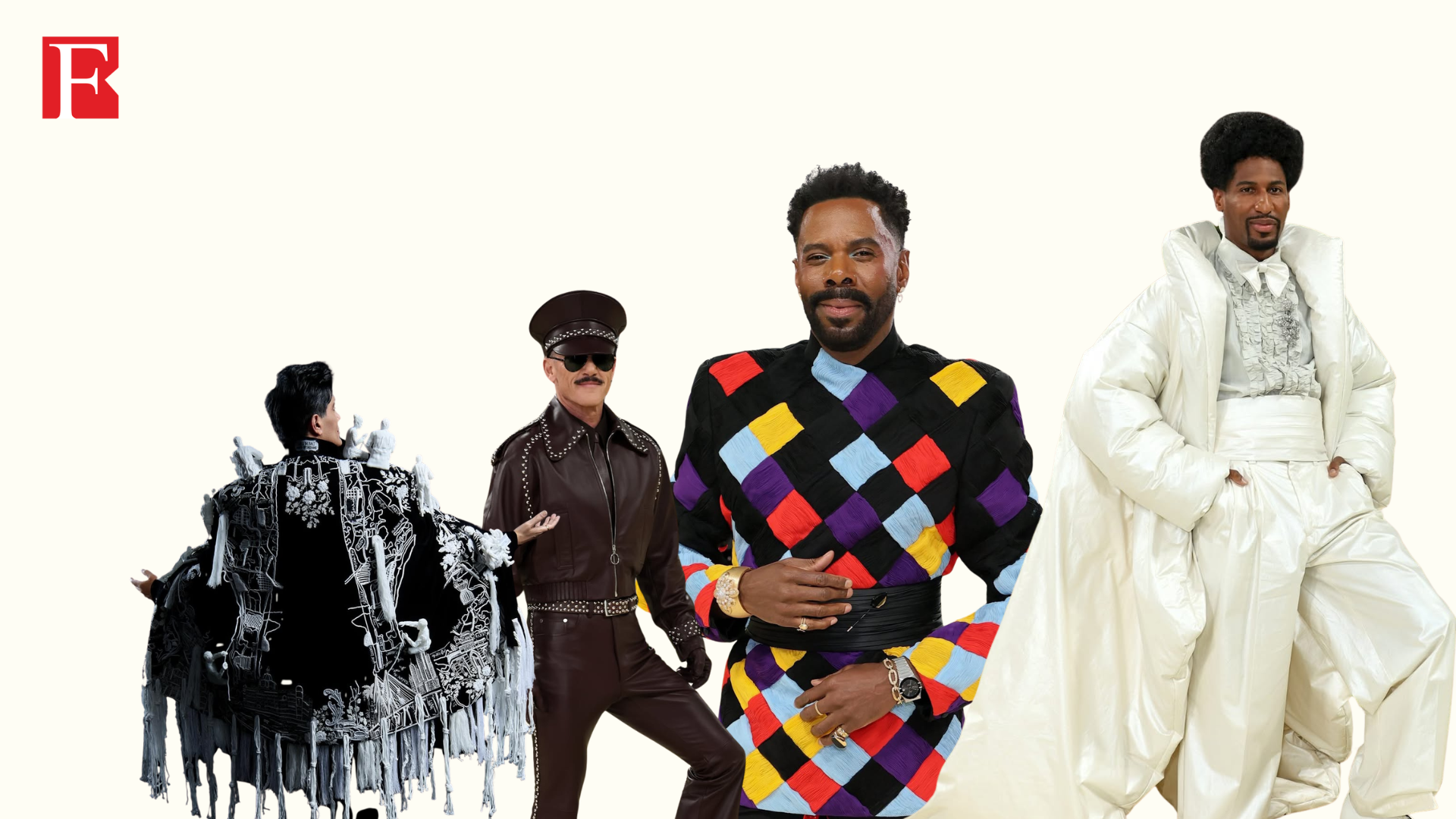
For decades, The Met Gala has been considered the most prominent event within the realm of fashion, bringing together celebrities, stylists, luxury houses, and designers to turn the red carpet into an international forum for artistic creation. Traditionally, the gala has often been associated with discussions of womenswear. However, the 2026 Met Gala will be remembered as an important milestone for menswear because, throughout the years, male fashion has significantly moved away from tuxedos and black tie outfits, proving that fashion today is much more diverse than what many people believe it to be.
This year, the Met Gala became more than an event dedicated to showcasing clothes. Instead, it demonstrated an entirely new perspective on fashion, which reflects the complex interaction between this discipline and identity, commerce, culture, and law. Designers and celebrities used garments to express various aspects of their heritage, artistry, identity, and personal branding. At the same time, the gala drew attention to other aspects, such as intellectual property and endorsement agreements.
The Rise of Modern Menswear
Traditionally, the choices made by celebrities regarding menswear had been relatively restrained. Black tuxedos, monochromatic suits, and traditional styles had prevailed at high-end events. In recent years, however, men’s clothes have radically changed. Fashion brands have started experimenting with menswear, blurring gender boundaries, creating new designs, and allowing their wearers to view their outfits as a unique art form.
The Met Gala of 2026 marked a milestone in such evolution. Men showed up wearing elaborate clothing with heavy embellishments, oversized tailoring, velvet capes, embroidered jackets, pearl details, corsetry-style silhouettes, and avant-garde outerwear that did not match the traditionally expected definition of masculinity. The idea was not only to look elegant but also to create a personal style.
FLJ Insider Pro is open: live fashion law jobs and internships, five career guides and two roadmaps. Early bird USD 12/month. See what's inside
Some of the most prominent designers were Louis Vuitton, Prada, Thom Browne, Dior, Saint Laurent, and Chanel. Every designer offered an individual understanding of modern masculinity that reflected their unique style. The brand Thom Browne emphasized theatricality and oversized cuts, Saint Laurent did minimalistic yet monochromatic sophistication, Prada chose minimalistic experiments, and Louis Vuitton combined classic craftsmanship with contemporary pop celebrity culture..
The most significant feature of the night was the apparent influence of international craftsmanship. The use of traditional textile and embroidery techniques from different regions began to play an important role in designing modern menswear. Indian designer Manish Malhotra caught everyone’s attention due to the incorporation of intricate embroidery in the design of luxurious menswear for red carpet events. This trend demonstrates how the fashion industry itself is moving towards a new trend wherein modern menswear becomes equally commercially successful as womenswear. It seems that menswear has reached its heyday due to a growing interest in individuality on the part of young people.
Fashion as Personal Branding
Indeed, the Met Gala isn’t just a fashion show. It is a brand-building affair in which every appearance is carefully designed to build up celebrity images, enhance design identities, and generate online buzz. In contemporary society dominated by the power of social media, red-carpet fashion becomes an effective international marketing campaign. Attendees of the Met Gala are no longer merely models of the clothes they wear. On the contrary, they become brand ambassadors and partners in shaping fashion trends. Stylists, public relations companies, designers, photographers, and luxury conglomerates work together in order for every appearance to serve a bigger purpose in terms of brand building.
In the case of the Met Gala of 2026, celebrities such as A$AP Rocky, Karan Johar, Timothee Chalamet, Bad Bunny, and Dwayne Johnson all wore unique styles that fit their image, but at the same time served the purpose of promoting various luxury houses. The fashion on display immediately attracted millions of views online through social media discussions, editorials, and customer interaction. Such relationships between celebrities and fashion brands carry serious legal and economic consequences. Legalities involved include endorsement agreements, sponsorship deals, exclusivity contracts, and intellectual property rights licenses.
In many cases, a single red-carpet appearance can significantly influence consumer behaviour. Viral fashion moments often lead to increased brand recognition, online searches, product demand, and stock value growth for luxury companies. Consequently, fashion branding today operates at the intersection of creativity, commerce, and legal regulation.
The Growing Influence of Gender-Fluid Fashion
Another major trend of the 2026 Met Gala is the normalization of gender-fluid fashion in menswear. The difference between male and female dressing is slowly diminishing, and it can be seen, for example, in luxury fashion events. Pearls, lace, corsets, draping, translucent fabrics, and jewellery are incorporated into menswear designs. Instead of being regarded as provocative and offensive, such fashion designs are embraced as examples of creativity and self-expression. Such trends reflect shifting perceptions among consumers, particularly Gen Z and younger millennials, who emphasize their individuality in clothing. The emergence of such attitudes has led to a response from luxury fashion brands, which create gender-neutral designs and fashion collections.
In terms of fashion law, the growth of popularity of gender-fluid fashion may affect laws regulating advertising and retailing activities. Traditionally, the fashion industry made extensive use of gender classifications while designing clothes and marketing campaigns. Now, such practices have become less popular since fashion designers themselves question the need for gender classification. Finally, dress codes and other rules regarding corporate branding practices may be altered due to evolving social and cultural values. Legal scholars specializing in fashion law have increasingly talked about the relevance of anti-discrimination laws in dress code rules.
Cultural Representation and Appropriation
The Met Gala often provides an opportunity for cultural storytelling in terms of designers’ inspirations based on the history, art, and traditional crafts of different communities. Nonetheless, it brings up significant legal and ethical issues related to cultural appropriation and representation. Some examples of looks at the 2026 Met Gala included traditional embroidery, native elements, religious iconography, and regional fabrics. Even though in most cases, designers worked with artisans or craftspersons, discussions about ownership and representation continue to play an essential role in the fashion industry.
The issue of cultural appropriation is still one of the major concerns in relation to fashion law and ethics. It includes commercial use of culturally specific symbols belonging to marginalized ethnic groups without giving credit, permission, or compensation to them. Many luxury brands have come under fire for appropriating traditional symbols of other cultures in recent years. That is why collaboration with artisans, open-source information about materials, and cultural consultation have become a priority for fashion houses today. The 2026 Met Gala showcased an increasing number of fashion designers who spoke positively about artisans in interviews and media campaigns.
Intellectual Property and Fashion Creativity
Intellectual property law and fashion have gained much overlap in the contemporary world, especially in the case of luxury fashion. As a prominent international event, the Met Gala becomes the natural stage for the meeting of originality, inspiration, and imitation. Most fashion pieces displayed at the 2026 Met Gala borrowed ideas from the art movements of previous eras, vintage couture collections, and notable fashion references. While the reinterpretation of classic silhouettes and art styles is quite common in fashion, it brings some issues to copyrights, trademarks, and design protections.
Unlike the music or literature industries, which benefit from strong copyright protection, the design protections vary greatly among jurisdictions. In most countries, clothing designs lack significant copyright protections and are protected via other means, like trademarks, brand identity, etc. The rising visibility of fashion designs that incorporate AI technology makes this an even more complex issue legally. The integration of technology in fashion design raises important issues about authorship, originality, and ownership.
Furthermore, counterfeiting of fashion items poses serious legal problems for luxury brands. Luxury trends are quickly incorporated into fast fashion through high-profile events like the Met Gala, where designs are copied on a large scale in response to the trends seen there. Although merely being inspired by a trend may not always be considered infringement, copying certain aspects of the work may raise IP issues. This means that the red carpet is both a medium of creative expression and a commercial space governed by laws and branding.
Discussions on Sustainability and Ethical Fashion
Sustainability is another topic that cropped up at the Met Gala held in 2026. It seems many designers focused on archival clothes, handmade garments, recycled materials, and craftsmanship principles associated with the slow fashion movement. In light of growing concerns about environmental problems, luxury fashion brands experience pressure to prove their commitment to ethical manufacturing processes. Red carpet fashion shows not only serve the purpose of entertaining an audience but also help brands show their sustainability efforts.
There are growing discussions within the realm of fashion law on matters of greenwashing, transparency in production processes, labour standards, and ecological responsibility. The authorities of different countries started analysing the sustainability efforts of fashion companies to stop fraudulent activities. The designs created by those designers who relied on craftsmanship and sustainable materials at the Met Gala found themselves in a good position due to new legislative trends.
The Met Gala as a Reflection of Fashion’s Future
Finally, the 2026 Met Gala became the place that showed the world that contemporary fashion is more than just clothing. In other words, discussions about identity, culture, commerce, technology, sustainability, and legality took place at the event. One of the most innovative components of the gala was menswear. Celebrities and designers questioned previous norms associated with masculinity, experimenting with art and craftsmanship from around the world. On the other hand, luxury fashion brands utilised the platform to enhance their storytelling and business impact. Lastly, another key aspect of fashion revealed by the 2026 Met Gala was that of fashion law. Issues related to intellectual property, sustainability, endorsement contracts, and digital advancements are crucial for the future of the global fashion industry.
Fashion in the contemporary era thrives at the convergence of innovation and regulation. The clothes seen at the Met Gala not only have artistic value; they also carry economic weight and legal ramifications. Fashion designers are expected to engage with their branding, intellectual property rights, contracts, and ethics while maintaining their creative freedom.
In this regard, the 2026 Met Gala was more than a red carpet event. Rather, it stood as a testament to the development of fashion into a multi-dimensional industry. The integration of art, economics, culture, and law makes up the complex world of fashion. With menswear redefining luxury fashion, events such as the Met Gala shall play pivotal roles in fashion’s future evolution.
FASHION LAW JOURNAL INSIDER
Join designers, brand founders and fashion lawyers who get the biggest brand battles, IP fights and career moves in fashion law, straight to their inbox.