






A Farewell in Red
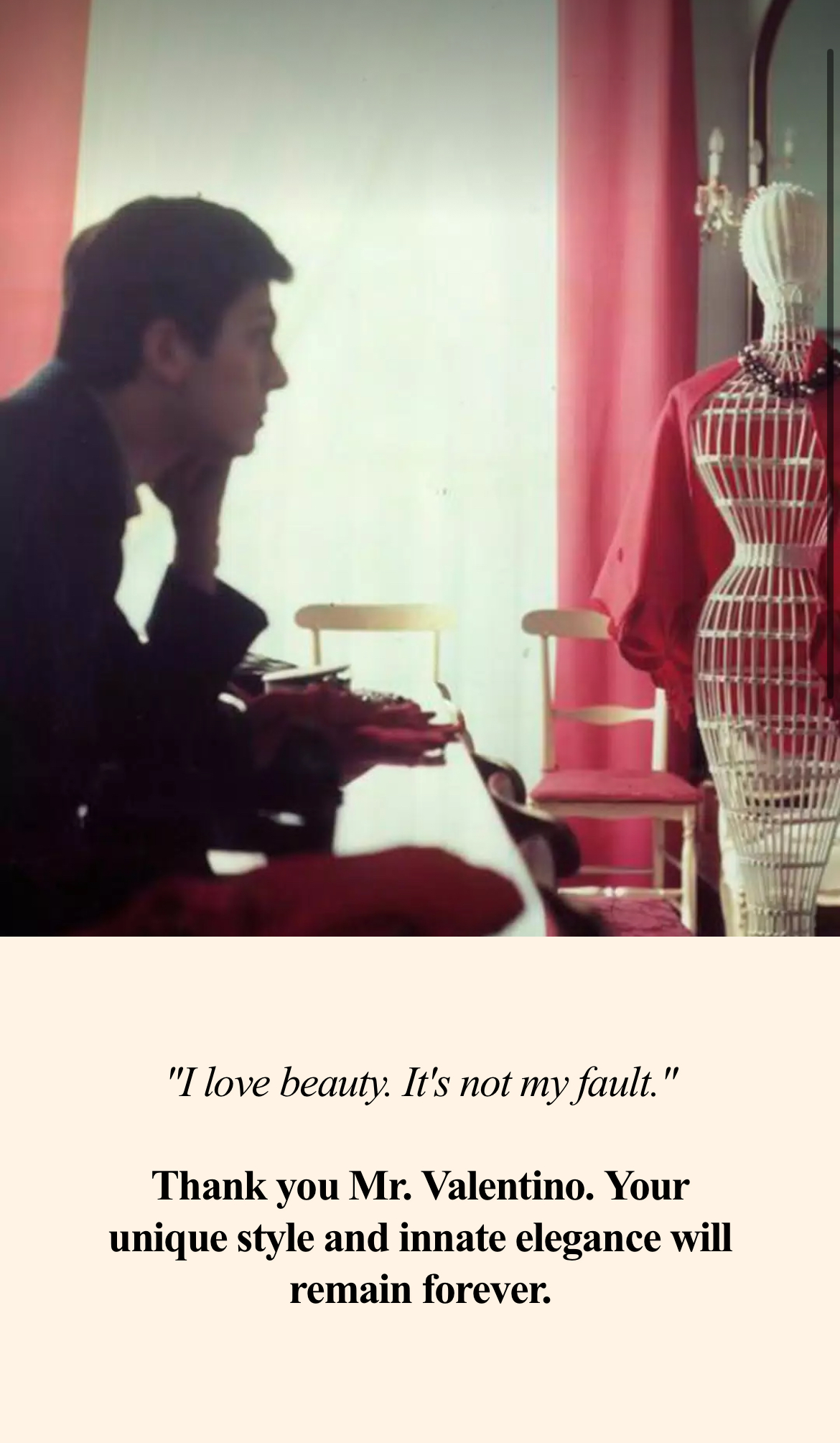
Valentino Garavani’s death has left the fashion world in a state of genuine mourning, with designers, celebrities, and heads of state paying tribute to a couturier whose name became shorthand for opulence, discipline, and an unforgettable shade of red. He died on 19 January 2026 at his home in Rome, aged 93, with his foundation confirming that he passed away surrounded by loved ones. His body will lie in state at the headquarters of the Fondazione Valentino Garavani e Giancarlo Giammetti in Rome before a funeral at the Basilica of Santa Maria degli Angeli e dei Martiri, a farewell that underlines how deeply his work is woven into Italian cultural life.
Valentino’s world was one of polished glamour, meticulous discipline and carefully curated fantasy, and yet the grief following his passing has felt almost intimate. Tributes have poured in from actresses, supermodels, European royals and international leaders, many of whom grew up with his silhouettes as a visual language of modern ceremony. In their statements, they remember not only the gowns and the red carpets, but the couturier who insisted that clothes should make women feel at their most assured; a vision that shaped the image of first ladies, queens and Oscar winners for more than half a century.
From Voghera to the Jet Set
Born Valentino Clemente Ludovico Garavani in 1932 in Voghera, a small town in northern Italy, he showed an early fascination with fashion and drawing, apprenticing with local dressmakers before moving to Paris as a teenager to study design. There, he trained at major fashion institutions and worked in the studios of established designers before returning to Italy in the late 1950s, just as Rome was beginning to rival Paris as a new capital of cinematic style.
In 1959 he opened his own Roman atelier, formally launching the Valentino label in 1960 and positioning it amid the dolce vita glamour of Via Condotti and Cinecittà. The business would take its definitive shape when, in 1960, he met Giancarlo Giammetti, a young architecture student who quickly became his business partner and, for many years, his companion, helping transform a promising couture house into a modern global brand.
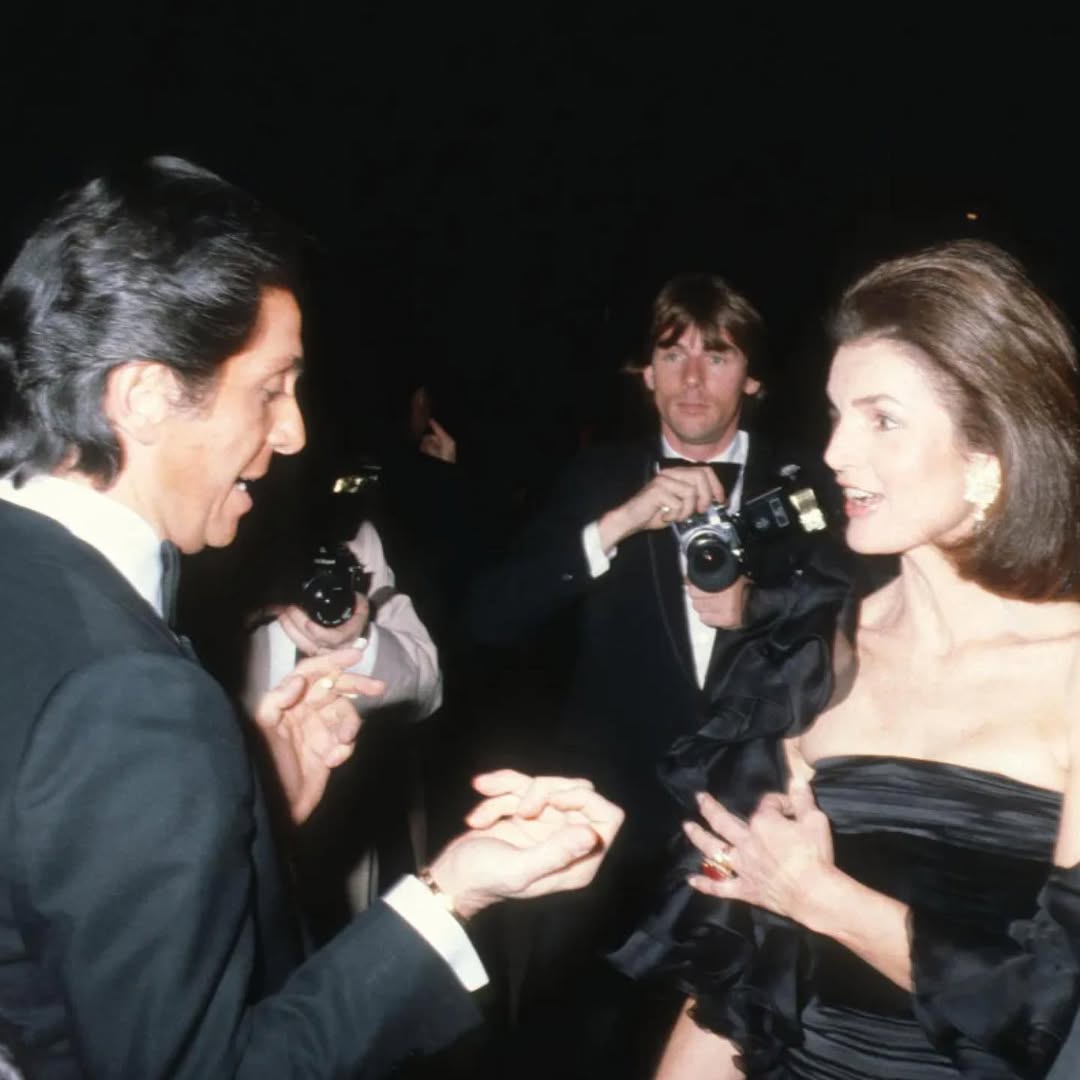
From the early 1960s onwards, Valentino’s collections captured the attention of the international jet set. American and European socialites, film stars and aristocrats were drawn to his disciplined vision of femininity: structured yet soft, luxurious yet never eccentric. Jacqueline Kennedy became one of his most influential clients; she ordered dresses from him in the 1960s and later wore Valentino for public appearances and private milestones, helping to cement his image as a couturier to first ladies and queens alike.
The Making of Valentino Red
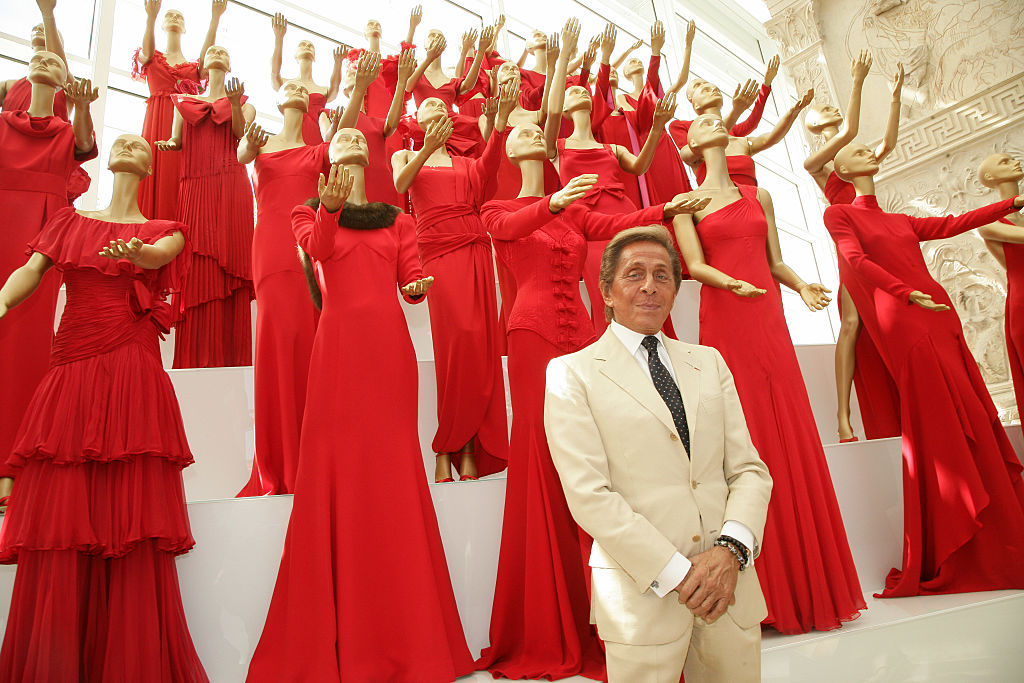
His design language evolved into a recognisable grammar: crisp lines, elongated proportions, controlled volume, and surfaces animated by lace, bows, ruffles and embroidery. Fashion editors often noted his ability to balance theatrical flourish with almost mathematical restraint, so that each gown moved with the body instead of overwhelming it. The result was a wardrobe for women who lived in the spotlight yet wished to appear serenely composed, whether on the Oscars red carpet, at state banquets, or at weddings watched around the world.
Among his many signatures, none has entered the wider cultural imagination quite like Valentino red. Early in his career, he sent out a vivid red dress that helped define the house’s chromatic identity, and the slightly orange‑tinged scarlet that followed became so intertwined with his name that dedicated references to a “Valentino red” shade were later codified by colour authorities. Within the industry, the phrase came to denote not only a pigment, but a mood: a deliberately cinematic red that evoked Italian passion, the drama of opera, and the assurance of a woman who expects every eye to find her first.
Over decades, Valentino red appeared on magazine covers, state dinners and awards nights, worn by a cross‑generational roster of women that included Elizabeth Taylor, Sophia Loren, Gwyneth Paltrow, Julia Roberts and contemporary stars like Zendaya. Indian actors and public figures, too, have stepped onto international red carpets in Valentino gowns, folding his Roman heritage into a more globalised picture of glamour. Even as the brand later explored palettes of ivory, black and blush under different creative directors, that particular red remained an emotional shorthand for his universe.
A Partnership that Built an Empire
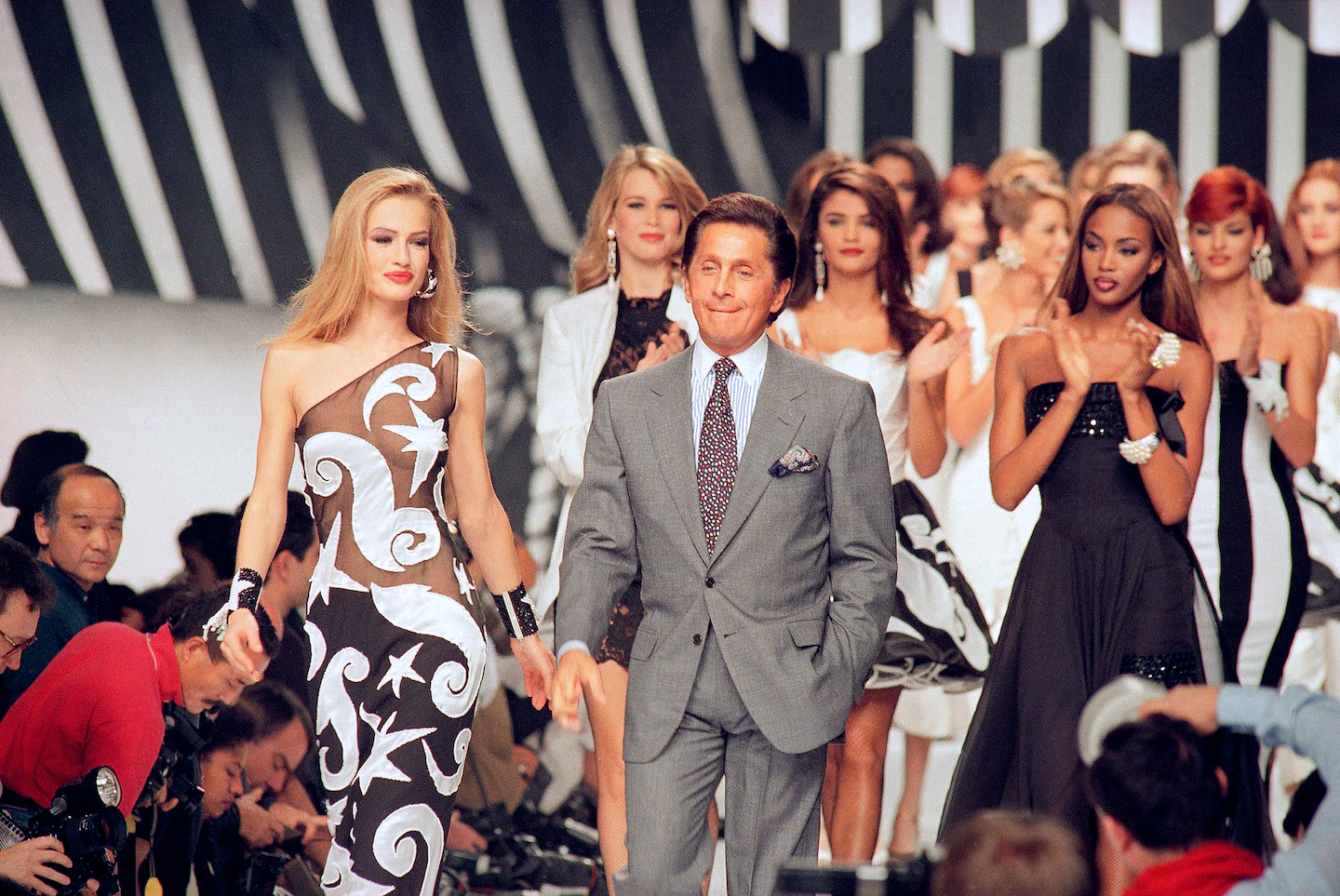
The partnership between Valentino and Giancarlo Giammetti is one of fashion’s most enduring and instructive stories. Giammetti, who met Valentino by chance and abandoned his architecture studies soon after, became the strategist, networker and guardian of the maison’s image. Together they navigated boom years and economic downturns, expanding into perfumes, accessories and ready‑to‑wear while maintaining a haute couture core that reassured loyal clients that the house’s standards of handwork would not be diluted.
By the 1990s, Valentino SpA was a fully fledged luxury enterprise with a global footprint, its ateliers in Rome and Paris serving a clientele that spanned royal households, Hollywood, and an emerging cohort of powerful businesswomen. In 1998, the company was sold to the Italian group HdP, a transaction that reflected both the financial and symbolic value of the brand as luxury houses consolidated under larger groups. Subsequent ownership changes followed, but the Valentino name retained its aura of disciplined glamour.
Valentino announced his retirement from ready‑to‑wear in 2007, bowing out with a final haute couture show in Paris in January 2008 that drew a standing ovation and a front row of supermodels, muses and long‑time clients. Even in retirement, he remained a visible presence at cultural events and continued to shape the house’s aura from a slight remove, serving as a living reference point for succeeding creative directors.
Legacy, Inheritance and an Eternal Red
The designer’s personal fortune, estimated in the billions, reflected both decades of fashion success and a shrewd eye for real estate and art. Reports describe an estate that includes properties in Rome, France, Switzerland, London and New York, as well as cross‑border trusts and the Fondazione Valentino Garavani e Giancarlo Giammetti to steward his archives and cultural legacy. While he had no children, the structures around his foundation and long‑time inner circle are expected to play a central role in how his artistic and financial legacy is preserved.
In recent years, creative directors at Valentino, most recently Alessandro Michele, whose appointment signalled a new chapter for the Roman house, have grappled with the challenge of respecting an exceptionally codified heritage while speaking to contemporary ideas of gender, identity and spectacle. The outpouring of tributes since Valentino’s death has underlined the extent to which he shaped a shared visual memory of late 20th‑ and early 21st‑century glamour, with designers such as Donatella Versace and Michael Kors crediting his rigorous standards as a benchmark for luxury.
Yet beyond all the ceremony, there is something almost intimate in the way the world is mourning Valentino. For the women who wore his clothes, he provided not only dresses but a kind of armour; silk, lace and tulle calibrated to allow them to step into rooms of power and scrutiny with more ease. For Italy, he stands as one of the architects of its postwar image: the country of Rome at dusk, of perfectly lit palazzi, of red that looks like an operatic curtain about to rise.
His passing draws a line under an era when haute couture served as the stage on which the modern mythology of celebrity, aristocracy and fashion was built. Yet the archive of photographs, the surviving gowns in museums and private collections, and the living memories of his clients ensure that the narrative does not simply end with a date and an age. The void he leaves behind is vibrant, red and shimmering; it glows, like the after‑image of a dress seen in motion, refusing quite to fade.