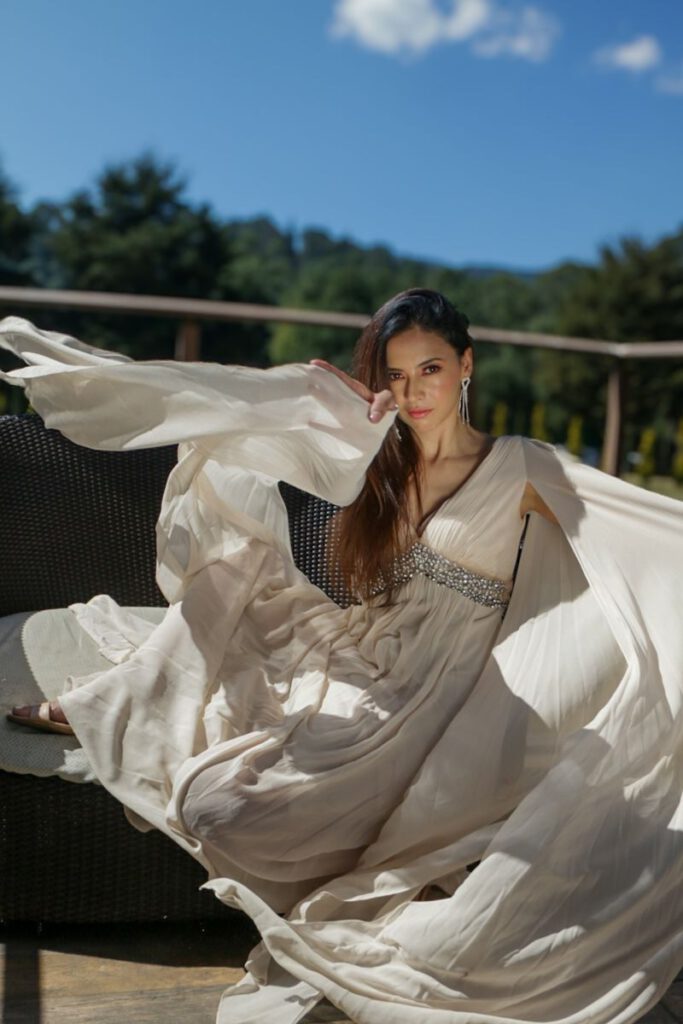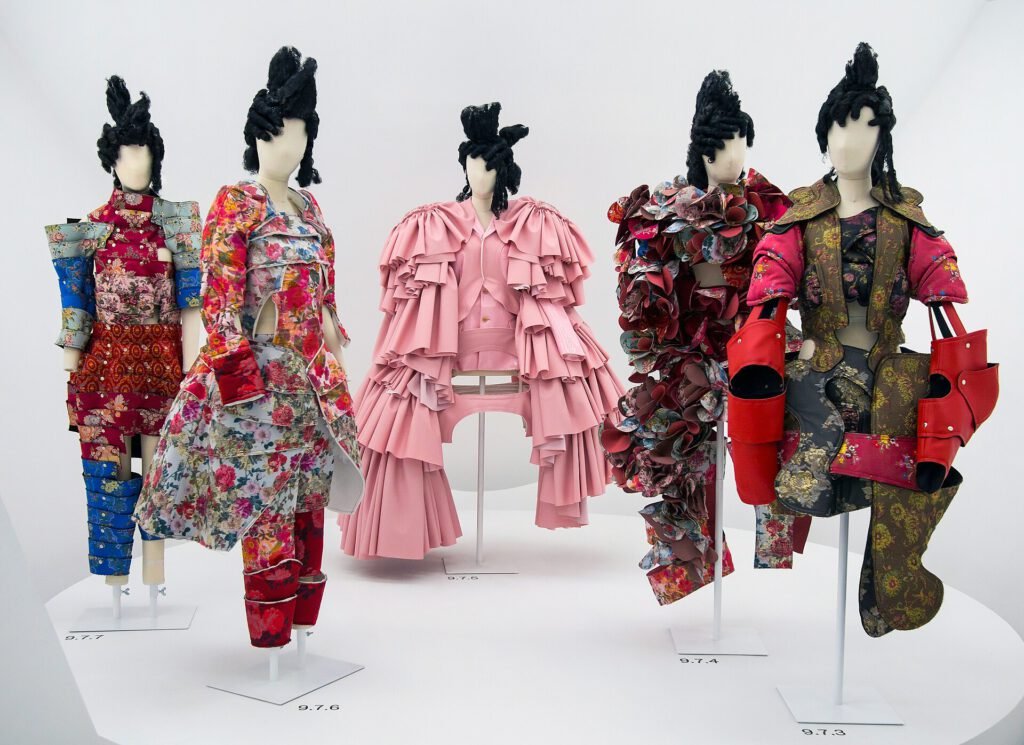

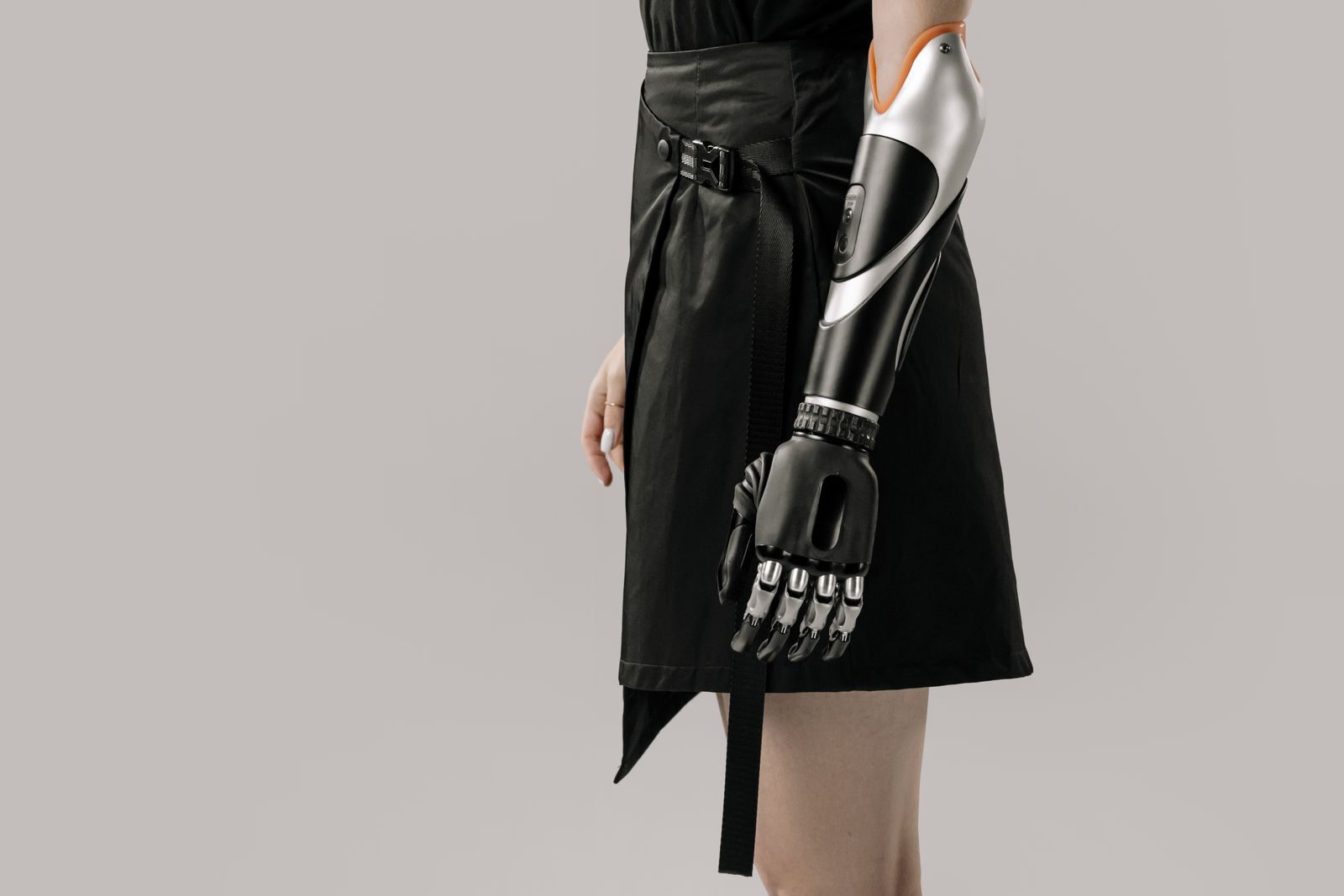
Imagine a designer typing “Create a futuristic couture gown inspired by Indian architecture, with metallic embroidery and a silhouette suitable for Paris Fashion Week.” Seconds later, AI produces an image that could have taken a human designer days to conceptualise.
The question is no longer whether AI can participate in fashion design. It can. The harder question is, “Who owns the design when the designer is partly human and partly machine?”
The New Fashion Designer: Human + Algorithm
AI is already changing how fashion businesses do mood boards, patterns, colour combinations, virtual models and product visualisation. Instead of starting from a blank sketchbook, designers can use generative AI to generate hundreds of ideas and then refine the strongest ones.
But copyright law protects human creativity. This presents an immediate legal issue: If an AI creates a dress independently, is it copyright protected?
FLJ Insider Pro is open: live fashion law jobs and internships, five career guides and two roadmaps. Early bird USD 12/month. See what's inside
The U.S. Copyright Office addressed this issue in its 2025 report on AI and copyright. It found that AI-assisted works may be copyrightable if a human adds enough original expressive elements, but a prompt alone is generally not enough. Human creative selection, arrangement or modification can potentially provide the necessary authorship.
For fashion, this distinction could become crucial.
AI creates the options. The designer makes the choices. The law must decide where authorship starts.
What Happens When AI Learns From Other Designers?
There is another aspect to this issue.
Generative AI technologies are created by using large amounts of datasets including photographs, illustrations, artworks and other forms of copyrighted content. For instance, a fashion oriented AI might look at thousands of pre-existing designs and make a new one.
This situation prompts a challenging inquiry: can AI really create a new life-changing innovation or just copy styles from the creative work of others?
The European Union has taken steps to address these concerns by attaching specific responsibilities to general-purpose AI providers under Article 53 of the EU AI Act. These providers are required to create a policy which upholds copyright law and to provide a summary of what content they used to train their models.
Moreover, the European Parliament has recognised ongoing legal ambiguities regarding the use of copyrighted material in AI training.
A New Copyright Battlefield: Style
Fashion is a particularly difficult problem as the very essence of style is not easily protected by copyright laws.
A designer might have trouble asserting ownership over wide categories such as “minimalist Scandinavian fashion” or “futuristic metallic couture”, but reproducing a specific protected artwork, graphic, print, or other original work can be a different copyright issue.
The development of AI complicates this distinction in many ways. For instance, the user might ask:
“Produce a collection inspired by the visual style of a renowned designer.”
If the resulting images are highly similar to existing works, copyright issues- substantial similarity and infringement could arise depending on the jurisdiction and situation.
Who Owns the AI-Designed Dress?
Consider three distinct scenarios:
Scenario 1- AI handles everything: In this case, a user receives a single prompt and accepts the output without significantly improving the creative work. Creating copyright protection would be challenging in regions where humans are required to be present.
Scenario 2 — Designer oversees the creative process: Here the designer develops several ideas, chooses one, shapes it, modifies it, reworks it, stitches it and finishes the garment. In this scenario, it is the human being who is more involved.
Scenario 3 – AI serves as an Additional Design Tool: In this case, designers use AI tools as they would Photoshop, CAD software or digital illustration tools for digital illustrations but still maintain control over the creative decisions. Current copyright laws can provide stronger support for protecting things created by human creativity.
The U.S. Copyright Office has explicitly stated that using AI as an auxiliary tool does not result in copyright protection.
The Future Runway
The fashion space is likely to transition towards a model where artificial intelligence is a creative partner rather than a creator.
Future fashion agreements may need to consider the following aspects:
Ownership of designs produced by AI. Transparency regarding the employment of AI. Rights associated with prompts and creative contributions. Liability for outputs that violate copyrights. Use of designers’ works for AI training. Licensing of the data sets used. Safeguarding digital and virtual fashion creations. The legal issues go beyond prohibiting AI from designing apparel. They are about defining the difference between innovation and imitation of human creativity versus machine-generated content.
With runway presentations in the future, some designs may be created by algorithms; however, for each successful design, the law will ultimately face a simple yet deep question:
Who is credited as the author?
AI Models in Fashion Ads: The Disclosure and Consent Rules Brands Face in 2026
FASHION LAW JOURNAL INSIDER
Join designers, brand founders and fashion lawyers who get the biggest brand battles, IP fights and career moves in fashion law, straight to their inbox.