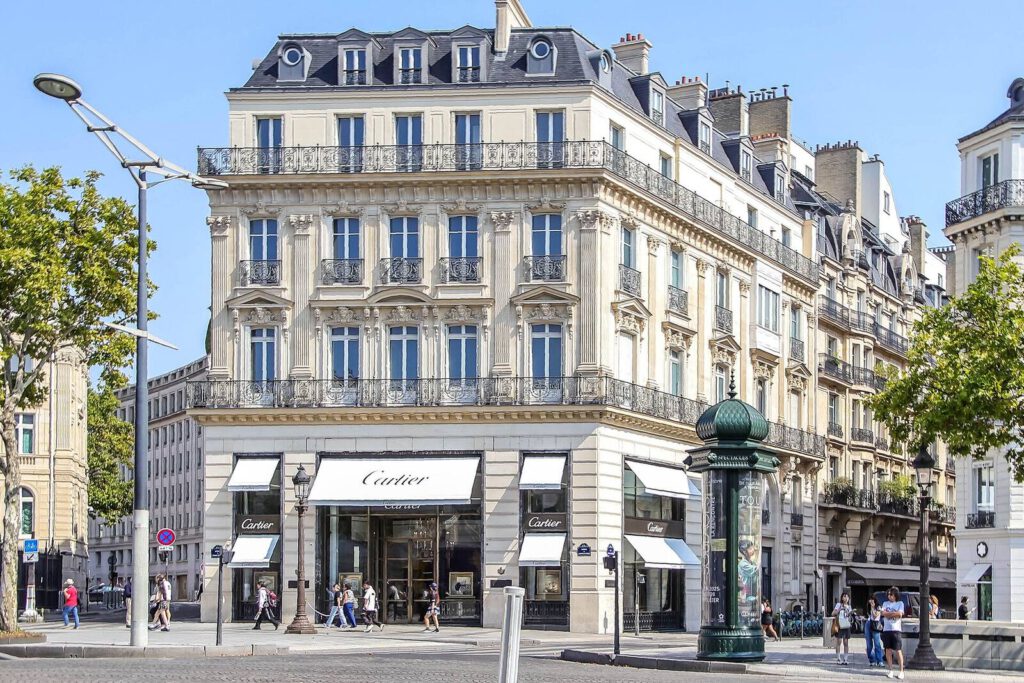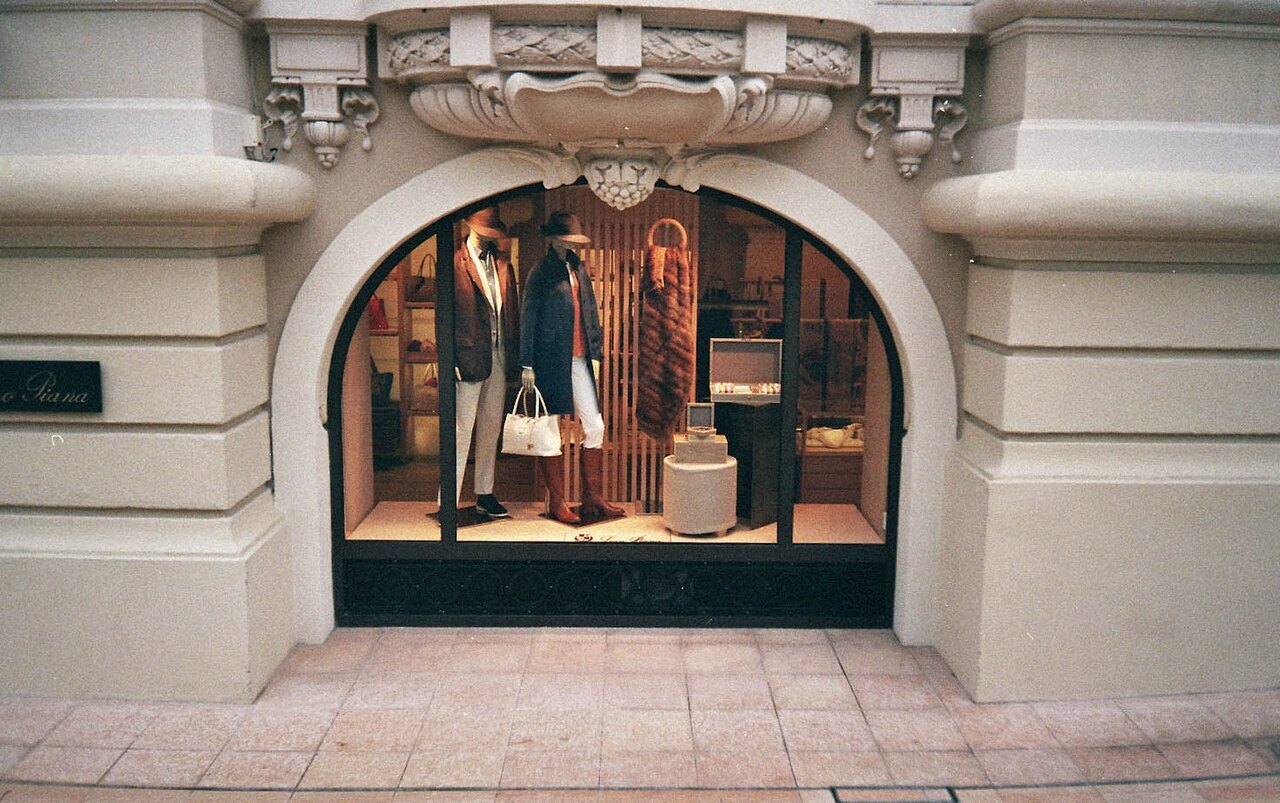
Loro Piana stopped being an independent family company in 2013, but the family never quite left. LVMH bought control that year, and in January 2026 it confirmed it had paid €1 billion to lift its stake to 94%. Between those two dates a Milan court put the cashmere house under judicial administration after finding that it had failed to police the workshops making its jackets. Who owns Loro Piana is therefore more than a question for business pages: it tells you who carried the risk, who paid for the clean-up and who answers for the supply chain now. This guide sets out the stake, the chain above it and what the probe changed.
Short answer: Loro Piana is controlled by LVMH, which raised its stake from 85% to 94% in a €1 billion purchase confirmed in January 2026. Those figures imply about 6% remains outside the group, and family members keep board seats. LVMH is in turn controlled by the Arnault family group, which held 50.33% of its capital and 66.27% of its votes in September 2026.
Key takeaways
- LVMH paid €2 billion for 80% of Loro Piana in 2013, valuing the whole business at €2.7 billion. Sergio and Pier Luigi Loro Piana kept 20%.
- The move to 94% used a call option from the 2013 agreement. At €1 billion for 9%, the deal put the house’s value at about €11 billion.
- A Milan court placed Loro Piana under judicial administration in July 2025 for 12 months. It revoked the measure on 16 April 2026, about three months early.
- The company was not under criminal investigation. Frédéric Arnault, son of LVMH’s chairman, has been chief executive since 10 June 2025.
Who owns Loro Piana?
LVMH Moët Hennessy Louis Vuitton does. Pietro Loro Piana founded the business in April 1924 in Quarona, in Piedmont, and it stayed in family hands until July 2013, when LVMH announced it would buy 80%. Loro Piana expected sales of €700 million that year. Sergio and Pier Luigi Loro Piana kept the other 20% and stayed in leadership roles.
| Date | LVMH stake | What happened |
|---|---|---|
| April 1924 | None | Pietro Loro Piana founds the company in Quarona |
| July 2013 | 80% | LVMH pays €2 billion; enterprise value €2.7 billion |
| Before 2025 purchase | 85% | Level reported in January 2026; the step from 80% was not publicly explained |
| 2025, confirmed 27 January 2026 | 94% | LVMH buys a further 9% for €1 billion by exercising a call option |
The 94% figure came out alongside LVMH’s annual results. WWD reported that the shares came from the family, that the option had been written into the 2013 agreement, and that the price valued the brand at €11 billion. That is about four times the 2013 figure. Maria Luisa and Pier Luigi Loro Piana remain on the board. Neither LVMH nor the reports state who holds the remaining shares, so the family’s 6% is an inference from the numbers. For the wider portfolio, see FLJ’s LVMH brands list.
FLJ Insider Pro is open: live fashion law jobs and internships, five career guides and two roadmaps. Early bird USD 12/month. See what's inside
Who controls LVMH?
The Arnault family, and its grip has tightened. Filings with the French regulator showed the family group crossing 50% of the capital in February 2026. On 23 September 2026 Christian Dior SE announced a plan to simplify the chain above LVMH, and gave the family group’s total position as 50.33% of the capital and 66.27% of the votes.
Under the plan, Financière Agache would merge into Agache, Agache would merge into Christian Dior SE, and the combined company would become a partnership limited by shares called Agache SCA, with Bernard Arnault as managing partner. It would hold 49.76% of LVMH’s capital and 65.55% of its votes directly. Shareholder votes are planned for December 2026, followed by a cash offer to Christian Dior’s minority holders, subject to approval by the French regulator. The order of ownership over Loro Piana is therefore: Arnault family, the holding companies, LVMH, then Loro Piana.
Who runs Loro Piana?
Frédéric Arnault, Bernard Arnault’s son. LVMH announced in 2025 that he would move from running LVMH Watches to become chief executive of Loro Piana on 10 June 2025, replacing Damien Bertrand, who had held the post since 2021 and went to Louis Vuitton as deputy chief executive. He reports to Toni Belloni, chairman of LVMH Italy. So when the court order arrived, a member of the controlling family had been in the job for about a month. The brand has about 180 stores worldwide, according to LVMH.
What was the Milan probe about?
The prevention measures section of the Milan court ordered judicial administration for one year in July 2025, after an investigation by prosecutor Paolo Storari and the Milan labour protection unit. According to FashionUnited’s report of the ruling, the court found the company had “culpably facilitated” labour exploitation by failing to check working conditions or the technical capacity of contractors, and by not carrying out effective audits. The chain it described ran as follows.
| Link | Role, as described in the ruling |
|---|---|
| Loro Piana | Outsourced garment production, including jackets |
| Evergreen Fashion Group | Took the order but could not make the garments |
| Sor-Man snc, Nova Milanese | Subcontracted the work and also lacked capacity |
| Chinese-run workshops | Made the goods using what the court called irregular and clandestine labour, in unhealthy and dangerous conditions, with workers housed in what it called abusive dormitories |
Authorities closed the workshops and one owner was arrested in May 2025. Reports at the time, including one carried by the Irish Times, said the brand itself was not under criminal investigation. This was a preventive measure, not a conviction. Loro Piana blamed an undisclosed, unauthorised subcontractor of a supplier. It said it learned of the situation on 20 May 2025, ended the relationship within 24 hours and “firmly condemns any illegal practices”. FLJ reported on the case at the time in Loro Piana labor practices face scrutiny and analysed the ruling in From Atelier to Audit.
How did the probe end?
Early. A Milan court ruling on 16 April 2026 revoked the measure, and the company welcomed it the next day. According to WWD, the court said Loro Piana “undertook and swiftly completed a virtuous path”. The company pointed to 2,400 supply network audits since 2024, added auditing staff and external support, and said it had dropped about 100 suppliers and sub-suppliers that did not meet its criteria. LVMH’s finance chief Cécile Cabanis said the group was “not satisfied” with the situation and described it as an issue for the Italian industry as a whole.
Why does ownership matter after the probe?
The order hit the subsidiary, not the group. The court placed Loro Piana under administration. LVMH was not the target of the measure, which is how group structures are meant to work. But a parent does not escape the commercial effects: an asset valued at €11 billion spent nine months under a court-appointed administrator, in a period that overlapped with the year its parent raised its stake.
Timing has a price. The reports date the 9% purchase to 2025 without saying which month, and nothing public connects it to the court case. Even so, the option shows why buyers of family houses write in staged exits. The family sold a further slice at a value about four times the 2013 figure, and LVMH took more of the exposure to supply chain risk along with more of the profits.
More control means less room to say “we did not know”. Italian law already reaches beyond the workshop. According to Chambers’ 2026 Italy guide, Article 603-bis of the Criminal Code targets employers who knowingly benefit from exploited labour, and Legislative Decree 231/2001 can make a company liable for offences committed in its interest unless it has effective compliance programmes. Consumer law adds another front. Italy’s competition authority fined two Armani companies €3.5 million in August 2025 over ethical claims it found were contradicted by supply chain auditing failures, which Armani said it would appeal. In May 2025 the same authority closed its Dior case with no finding of infringement after accepting €2 million of commitments. Loro Piana has not faced such a case on the sources reviewed here.
The rest of the sector is still exposed. Dior, Armani and Valentino units have also been through judicial administration and out again. WWD reported in April 2026 that Tod’s and three managers were under investigation over suspected labour abuses, a case before a court in Ancona, and that Milan prosecutors had sought similar measures against Paul & Shark and Aspesi in March 2026, which a judge refused. A voluntary “certified fashion supply chain” scheme proposed in Italy’s small business bill was shelved in December 2025. At EU level, FLJ tracks the narrowing of the corporate due diligence directive in CSDDD and fashion.
Frequently asked questions
Is Loro Piana owned by LVMH?
Yes. LVMH bought 80% in 2013 and confirmed in January 2026 that its stake had risen to 94% after it paid €1 billion for a further 9%. Loro Piana is listed among LVMH’s Fashion and Leather Goods brands.
Does the Loro Piana family still own part of the company?
It appears so. LVMH’s 94% implies about 6% is held elsewhere, and reports say LVMH bought the 9% from the family. Maria Luisa and Pier Luigi Loro Piana remain on the board. We found no published statement of the exact family holding.
Who is the CEO of Loro Piana?
Frédéric Arnault has been chief executive since 10 June 2025. He is the son of LVMH chairman Bernard Arnault and previously ran LVMH Watches. He took over from Damien Bertrand, who moved to Louis Vuitton as deputy chief executive.
Is Loro Piana still Italian?
The brand is Italian by origin and operations, founded in Quarona in 1924, and LVMH describes its clothing and accessories as made in Italy. Its ownership is French, because LVMH is a Paris-based group controlled by the Arnault family.
Was Loro Piana found guilty of labour exploitation?
No. The company was not convicted and reports at the time said it was not under criminal investigation. A Milan court imposed a preventive measure after finding it had culpably facilitated exploitation at subcontractors by failing to supervise them. The company blamed an unauthorised subcontractor.
Is Loro Piana still under judicial administration?
No. The measure was imposed in July 2025 for 12 months and was revoked by a Milan court on 16 April 2026, after the company tightened its supplier checks. The court praised what it called a virtuous path.
This article is general information, not legal advice or investment advice. Shareholding figures come from company announcements and press reports and may have changed. Findings in the Milan proceedings relate to a preventive measure and are not a criminal conviction.
Featured image: Photo: Carlota Grau via Wikimedia Commons, CC BY 3.0
FASHION LAW JOURNAL INSIDER
Join designers, brand founders and fashion lawyers who get the biggest brand battles, IP fights and career moves in fashion law, straight to their inbox.