





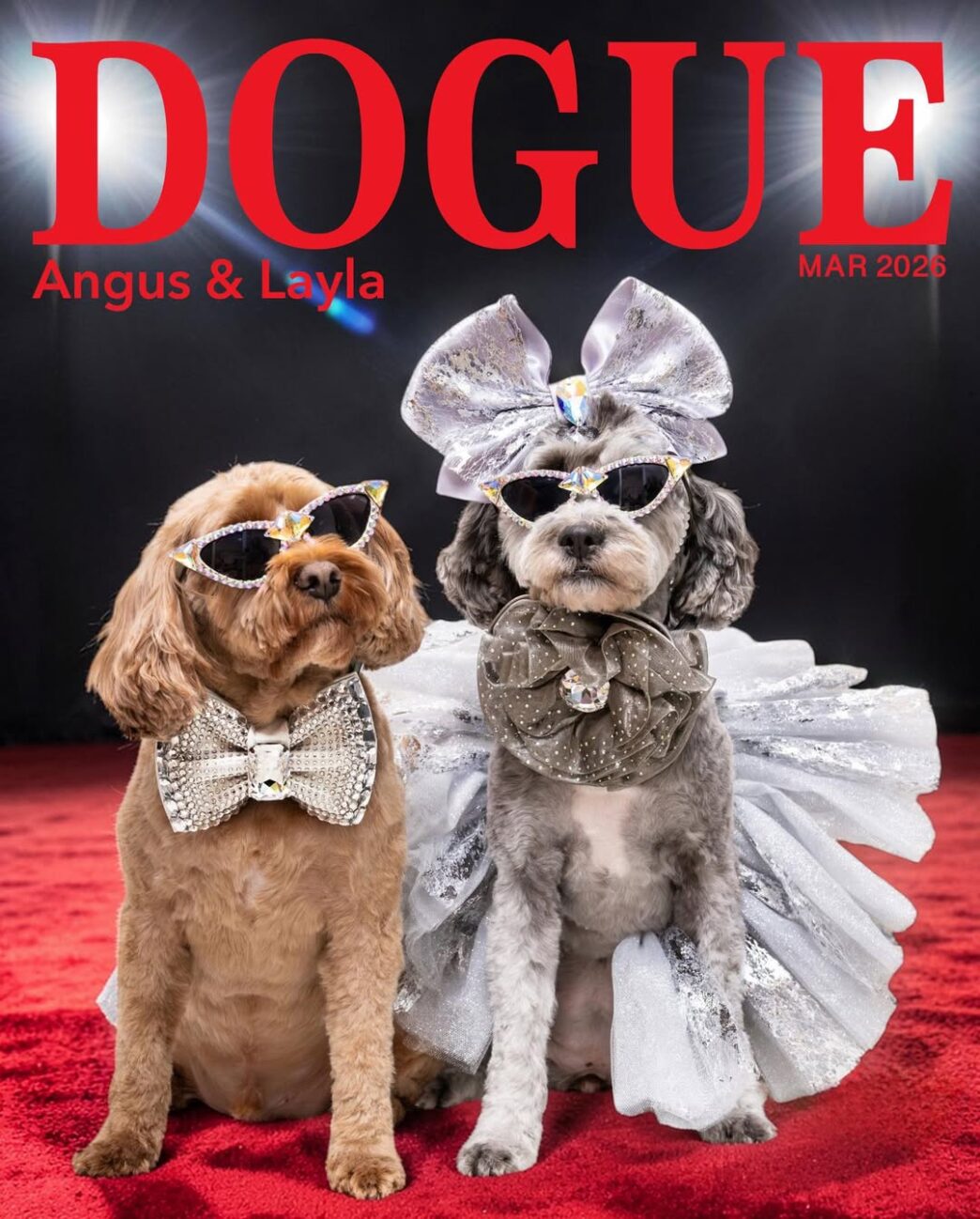
Condé Nast, the publishing powerhouse behind Vogue, has filed suit against the canine fashion magazine, Dogue. The complaint by Condé Nast alleges a plethora of federal and California state claims, including trademark infringement, false designation of origin, trademark dilution, and unfair competition.
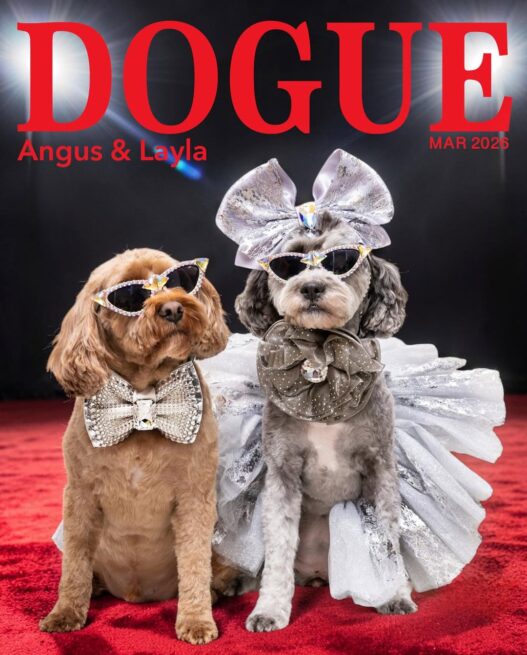
Established in 2019, Dogue has carved out a niche in canine style, culture, and celebrity dogs. The magazine, like other fashion and pop-culture publications, features fashion editorials and interviews, providing its readers with an inside look at all things canine-related in a traditional fashion media approach.
Condé Nast, parent company of Vogue, The New Yorker, GQ, Vanity Fair, Architectural Digest, and more, has been in the media and publication business since 1909 and is now considered a renowned global media company. Having acquired Vogue in the same year, Condé Nast has guided Vogue into becoming the household name it now is. The continued expansion of Vogue into areas of product sales (excluding magazines), podcasts, and live events, such as the MET Gala, makes it clear why Vogue is one of the top industry leaders in fashion and pop-culture editorial.
The current lawsuit, filed in the California District Court, makes primary claims related to the “deliberate choice of a confusingly similar mark” and its intended and likely result in consumer confusion and false endorsement. Condé Nast seeks judicial intervention, having previously attempted non-judicial avenues of resolving the matter.
The Core of the Complaint – Trademark Infringement
The trademark infringement and common-law trademark infringement complaints detail Condé Nast’s allegations that Dogue aimed to confuse or deceive purchasers into believing it has an affiliation with Condé Nast. At the heart of the dispute is Dogue’s editorial aesthetic, which closely mirrors the look and feel of Vogue, raising the question about how far parody can go before becoming infringement. Condé Nast also claimed that it “has suffered and continues to suffer and/or is likely to suffer damages to the Vogue” trademarks and its reputation, due to the continued use of the Dogue trademark.
Confusing the Ordinary Consumer?
The false designation of origin complaint further alleges that the continued use of the Dogue trademark in conjunction with its misleading statements is likely to cause confusion and mistake among consumers, who believe that Dogue is affiliated with Condé Nast.
Trademarks Losing Distinctiveness
The trademark dilution claim explains that the Vogue trademark is distinctive and has “acquired distinctiveness through Condé Nast’s extensive, continuous, and substantially exclusive use of it.” It is also further alleged that the continued use of the Dogue trademark will likely dilute the distinctiveness of the Vogue trademark.
Friendly or Unfair Competition?
Condé Nast included claims alleging violations of California’s unfair competition laws and common law unfair competition laws. §§ 17200 of the California Bus. & Prof. Code defines ‘unfair competition’ as unlawful or unfair business acts or practices and/or deceptive and untrue advertising. Although not detailed in the complaint, Condé Nast will likely argue that due to Dogue’s continued use of similar editorial styles as Vogue, Dogue is participating in the willful deceptive acts of misleading consumers to believe it has an affiliation with Vogue or the Condé Nast name.
Currently, the case remains in the pleading stage, with no scheduled dates of commencement or litigation.
The outcome of this case could have significant implications for the boundaries between parodies and trademark infringement. The court will need to carefully balance the competing interests at play, and, depending on its ruling, it could set an important precedent on where to draw the line between parodies and infringement under trademark law. This case will provide clarity and guidance in the current blurry line between the two, aiding lawyers, courts, trademark owners, and businesses.
Condé Nast’s Legal Claims:
Trademark Infringement – 15 U.S.C. § 1114
False Designation of Origin – 15 U.S.C. § 1125(a)
Trademark Dilution – 15 U.S.C. § 1125(c)
Common Law Trademark Infringement
Unfair Competition – Cal. Bus & Prof. Code §§ 17200
Common Law Unfair Competition.
Sources Used:
Condé Nast v. Tasty Work, LLC (Dogue) – Complaint No. 2:25-cv-11579
California Business and Professions Code – §§ 17200
Author: Alexis Curatola