
Fashion loves to call itself an industry of inspiration, until the inspiration costs $2,000 less.
In the early 2000s, owning the “real thing” was often the point. Luxury labels represented status, exclusivity and authenticity, while calling something a “knock-off” was hardly a compliment. Today, that attitude has shifted. A new generation of consumers is increasingly embracing products that closely imitate the look of high-end fashion without carrying the high-end price tag.
The rise of fast fashion and social media has enhanced this shift. A product can go viral overnight, be replicated within weeks and appear on thousands of consumers’ feeds almost immediately. At the same time, the rising cost of living has made affordable alternatives increasingly attractive. For many shoppers, buying a $50 version of a $2,000 item isn’t about pretending it is the original; it’s about getting the look without paying the price.
What actually counts as “theft”?
Calling every fashion dupe “theft” gets the law wrong. Australian intellectual property law does not give a brand ownership over an entire aesthetic. Instead, different areas of law protect different things. Copyright can protect original artistic works from unauthorised reproduction. Trade mark law protects distinctive signs, such as names and logos, that identify the source of goods. Registered designs can protect a product’s visual appearance where the relevant design is registered. IP Australia explains that registered design rights can be particularly important in tackling fashion “dupes”. Passing off can also apply where a business misrepresents an association with another brand.
That distinction matters. A business copying a protected logo and selling a bag as Chanel is very different from a retailer producing an unbranded bag with a similar silhouette. One can involve clear intellectual property or consumer-law violations, and the other may simply be competition.
The legal line
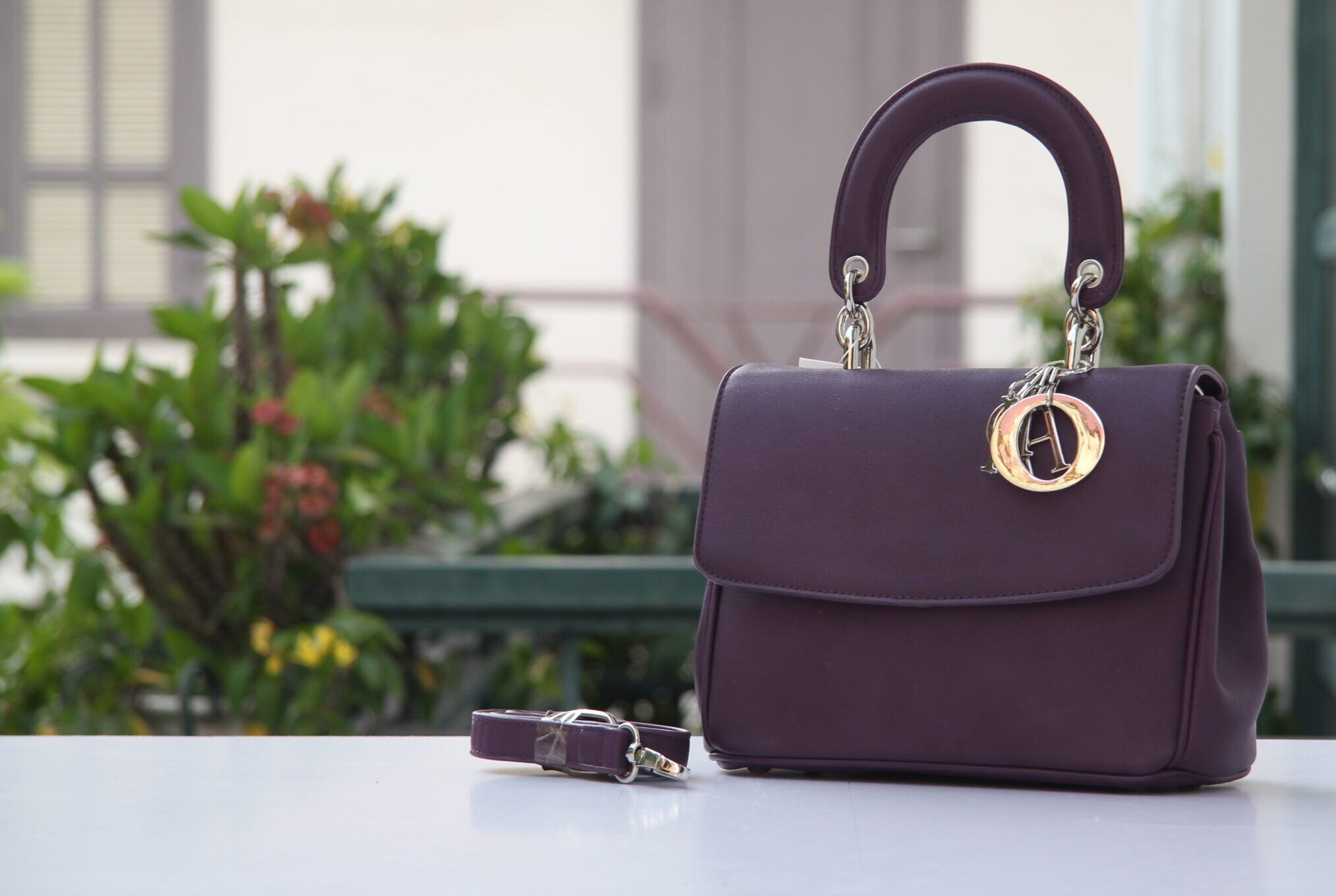
A counterfeit is designed to pass as the real thing, and a dupe doesn’t necessarily do that. Counterfeits use a brand’s actual logo (like a “Proda” bag that interchanged the letters to look like Prada) to trick you. That is illegal under both federal and state law
A dupe, however, is not automatically a counterfeit. It may be “inspired by” a popular product while remaining distinguishable from the original brand. Australian design law already recognises that copying can cross a legal line. Under s 71 of the Designs Act 2003 (Cth), a person can infringe a registered design by making, selling or importing a product that is identical or substantially similar in overall impression to the registered design.
That is precisely the point. The law already has a mechanism for dealing with products that copy protected designs. If a shopper buys a $28 MCoBeauty mascara instead of a $55 Kevyn Aucoin mascara, they are not necessarily being deceived about what they are buying. The product is sold under MCoBeauty’s own name. The issue should therefore be whether a specific legal right has been infringed, not whether the product happens to look or feel like something more expensive.
But what about illegal dupes?
Yes, some products marketed as “dupes” are undeniably illegal. They cross the line into trade mark, copyright, or design infringement when they mimic protected elements too closely or hijack protected logos. Others violate the law through misleading or deceptive conduct or passing off, creating a false impression of brand affiliation.
When they do, the legal system already possesses the tools to intervene. From registered design rights to consumer protection statutes, existing laws are equipped to penalise those who overstep. My argument isn’t that brands have no rights; it’s that we don’t need to redefine every “inspired by” item as “theft” when current IP and consumer laws already handle unlawful copying. Why expand criminal definitions for a problem the law already solves?
Why brands aren’t actually dying
If dupe culture were truly “theft,” we would see luxury brands going bankrupt. Instead, they’re seeing a “halo effect”. Research shows that when a brand is widely duped, its “cool factor” increases because it’s seen as the aspirational gold standard.
Curiosity drives consumers to eventually “trade up” to the real thing once they can afford it. Even MCoBeauty, a company valued at A$1 billion whose founder proudly says, “We dupe and we are proud to say that”, has simply built a bridge for the Gen Z shopper who will be the luxury buyer of the future.
The verdict
Design elements like silhouettes and generic patterns generally don’t qualify for copyright. If the law were to treat a “lookalike” bag as theft, we would effectively be giving a handful of Parisian conglomerates ownership over the very concept of a “trench coat” or “quilted leather”. Fashion is a language of references and self-expression, not a series of patents. As long as a dupe isn’t lying about its origin, it’s a smart, legal, and increasingly necessary response to an exclusionary industry.
References:
https://www.ft.com/content/e4ae2458-d04c-400c-8d2d-5fd445d4a715
https://bespokelaw.com/dupe-culture-understanding-the-legalities/
https://attireclub.org/2014/08/11/fashion-knock-offs/
https://www.mishcon.com/news/the-rise-of-dupe-culture-impact-on-brands-and-ip-strategy
https://www.canvas8.com/blog/2023/april/whats-behind-the-rise-of-dupe-culture
Author: Ayan Wel
Disclaimer: The views expressed in this article are those of the author and do not necessarily reflect the views of Fashion Law Journal
FASHION LAW JOURNAL INSIDER
Join designers, brand founders and fashion lawyers who get the biggest brand battles, IP fights and career moves in fashion law, straight to their inbox.