The creator economy may be entering its next big phase, with platforms paying creators not just for creation but also for exclusivity.
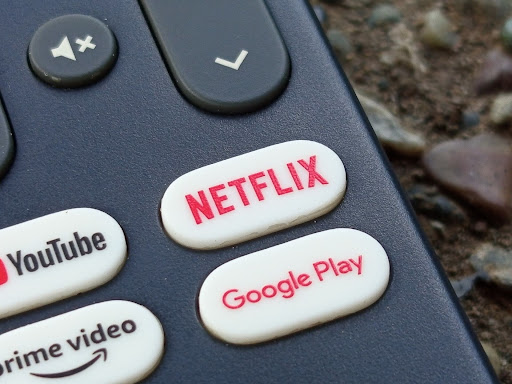
YouTube is reportedly offering select creators multimillion-dollar deals in exchange for making their content exclusive to YouTube. This shift comes as Netflix actively expands into creator-led programming, turning a relatively open creator ecosystem into a new competition for exclusive talent. While the reported deals are still in the negotiation phase, this move highlights a shift in the creator economy. In today’s digital era, platforms are no longer merely competing for audiences but for creators themselves.
However, these are reported negotiations rather than a blanket programme available to all YouTube creators, and the arrangements are not yet finalised and formally reported. But this development is paramount because it reveals an important trend in where the creator economy might be headed.
YouTube vs Netflix: the battle of exclusivity
The competition between YouTube and Netflix is not new.
Traditionally, streaming platforms operated by commissioning shows, signing actors and investing in developed entertainment studios. However, YouTube operated in a distinct manner as creators built their own audiences by uploading their own content and monetised the attention of the audience through modes such as advertising, sponsorships and platform programmes.
However, these boundaries have been becoming increasingly blurred.
Creators with millions of followers are becoming entertainment properties in their own right. Their names can attract viewers to a show before it even airs on the relevant streaming platforms. This is because their existing communities give streaming models something they otherwise would have to spend heavily to build: a ready-made audience.
Netflix has already been tapping into YouTube’s built-in audiences, with creators such as the Sidemen, whose Inside began on YouTube before moving to Netflix for its second season and Miranda Sings/Colleen Ballinger, who moved from YouTube to Netflix with Haters Back Off!. More recently, Netflix has also brought creator-led programming from names such as Ms. Rachel, Mark Rober and Nick DiGiovanni onto the platform.
Netflix’s interest in creators therefore creates a direct incentive for YouTube to retain its strongest talent with huge audience bases. The reported multimillion-dollar offers represent a significant escalation in that competition.
Instead of simply giving creators better monetisation tools, YouTube appears to be considering a much more traditional entertainment-industry strategy: paying for exclusivity.
If Netflix can offer creators a route from YouTube videos to professionally financed streaming projects, YouTube has an obvious reason to respond. The reported exclusivity discussions can therefore be seen as a strategy to prevent its biggest creators from becoming competitors’ biggest assets.
Why the Exclusivity Condition Matters
The most attention-grabbing part of the reported offers is not necessarily the millions but the condition attached to them. If creators agree not to work with Netflix, they are potentially giving up the opportunity to distribute particular projects or potentially broader categories of content through another major platform.
That makes the scope of exclusivity crucial and raises certain important questions. Is the creator prohibited from producing any Netflix content? Only a particular programme? Only during a specified period? Does the restriction apply to other streaming platforms as well?
These questions become particularly important because creators today operate across multiple platforms simultaneously. A creator’s business is no longer confined to one channel. Their audience may exist across YouTube, Instagram, TikTok, podcasts and other digital platforms. A restrictive deal could therefore have implications far beyond one piece of content.
The Fashion Law Perspective
Specifically for fashion and lifestyle creators, this trend goes beyond platform strategy. Commercial assets such as a creator’s content, name, likeness, personal brand and audiences are becoming increasingly valuable. When platforms begin paying for exclusivity, it subsequently raises questions around copyright ownership, licensing, contractual restrictions, personality rights and most importantly, the scope and ambit of this exclusivity in question.
This also hints towards a clear pattern of creator identity becoming an asset that platforms desire to take into consideration and subsequently license them. Furthermore, this could lead to more creator-specific financing, first-look arrangements, exclusive programming deals and platform-backed productions.
For smaller creators, however, the immediate impact may be less visible. Multimillion-dollar exclusivity deals are likely to remain concentrated among creators with substantial audiences and proven commercial value. Nevertheless, the direction of travel is significant. The creator economy was built on the idea that creators could publish independently and distribute their work almost everywhere. The emerging model suggests something different: the biggest creators may soon have platforms competing to lock them in.
And that may be the real story behind YouTube’s reported multimillion-dollar offers: creator exclusivity itself is becoming one of the most valuable commodities in the space of digital entertainment.
FASHION LAW JOURNAL INSIDER
Join designers, brand founders and fashion lawyers who get the biggest brand battles, IP fights and career moves in fashion law, straight to their inbox.