

Capri Holdings was built to be America’s answer to the European luxury groups. It bought Jimmy Choo in 2017, bought Versace a year later and renamed itself after the Italian island. Then a merger with Coach’s owner was blocked in court, Versace went to Prada at a heavy loss, and on 11 November 2026 the man who ran the company for 23 years announced his retirement. Here is what Capri owns as of 14 November 2026, how it got there and the legal fights along the way.
Short answer: As of 14 November 2026, Capri Holdings owns two fashion houses: Michael Kors and Jimmy Choo. It sold Versace to Prada for $1.375 billion in cash (an enterprise value of €1.25 billion), with the sale closing on 2 December 2025. Capri itself is a listed company on the New York Stock Exchange, owned by its public shareholders, not by a family or a larger group.
Key takeaways
- Capri is now a two-brand group: Michael Kors brought in $2.874 billion and Jimmy Choo $600 million of its $3.474 billion revenue in the year to 28 March 2026.
- Prada bought Versace for an enterprise value of €1.25 billion ($1.375 billion), against the roughly $2.1 billion Capri paid in 2018. Capri used the cash mainly to repay debt.
- Tapestry’s $8.5 billion takeover died after Judge Jennifer Rochon granted the FTC a preliminary injunction on 24 October 2024; the deal was terminated in November 2024.
- Justin Boxford, an Estée Lauder veteran, becomes CEO on 4 January 2027, replacing John D. Idol, and Robin Freestone becomes independent chairman.
Which brands does Capri Holdings own in 2026?
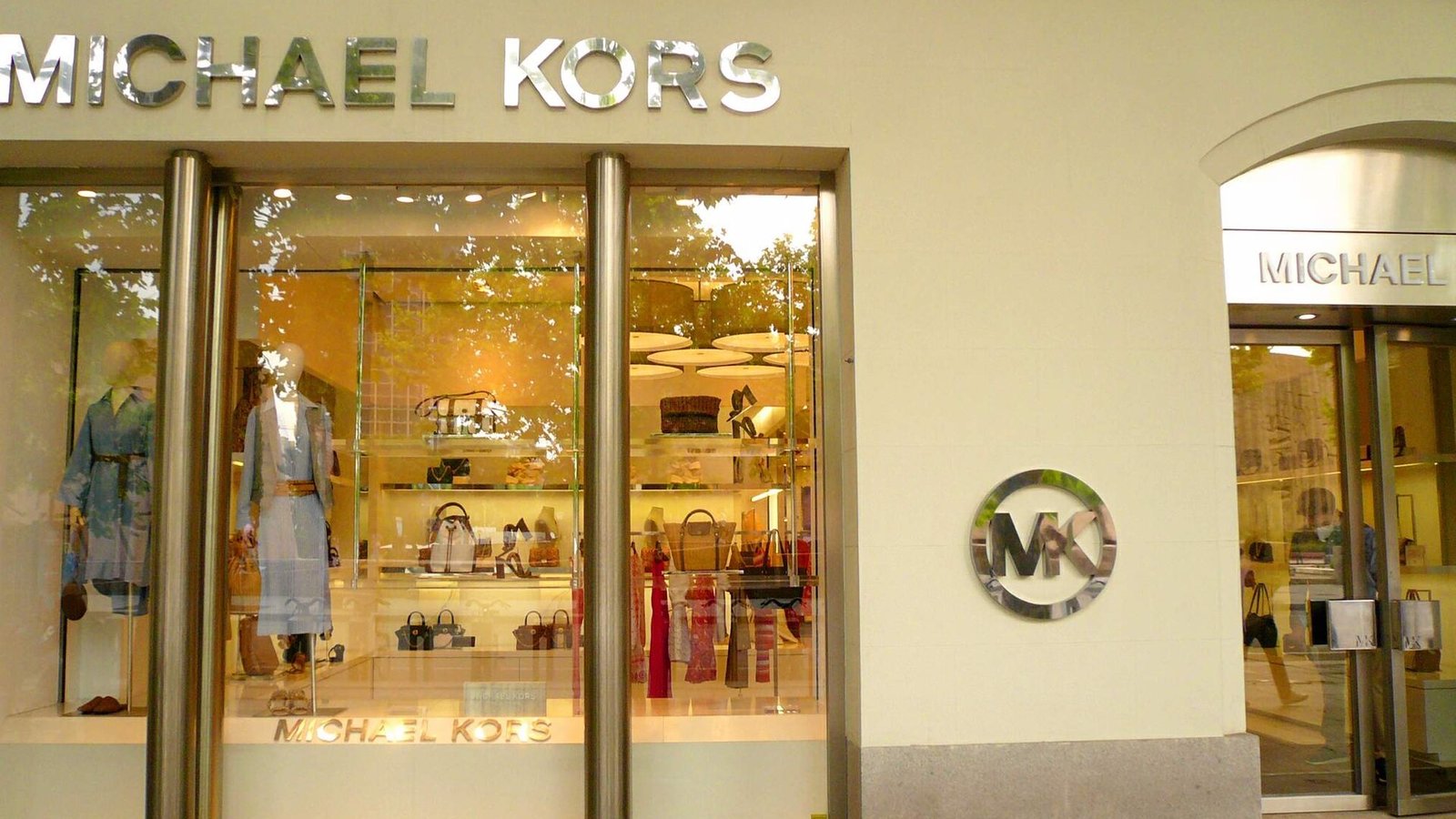
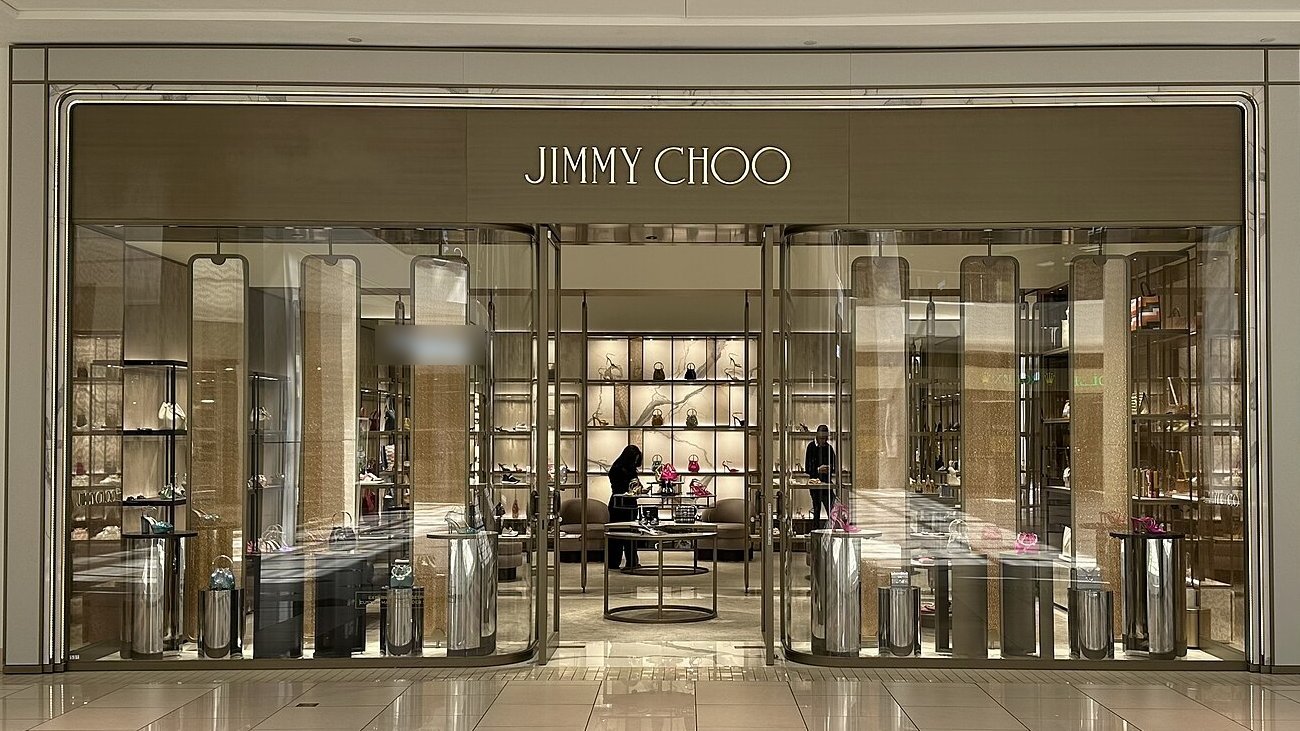
Capri owns Michael Kors and Jimmy Choo, and nothing else of comparable size. According to Capri’s annual report on Form 10-K for fiscal 2026, the year ended 28 March 2026, Michael Kors produced $2.874 billion of revenue, about 83% of the total, and ran 673 retail stores including concessions. Jimmy Choo produced $600 million, about 17%, from 211 stores. Total revenue was $3.474 billion.
Michael Kors was launched by the designer of the same name in 1981. Jimmy Choo dates from 1996. Capri is incorporated in the British Virgin Islands and its principal executive offices are in London, which is why its filings read like a British company’s even though its shares trade in New York under the ticker CPRI.
FLJ Insider Pro is open: live fashion law jobs and internships, five career guides and two roadmaps. Early bird USD 12/month. See what's inside
A large part of both brands’ reach comes from licences rather than owned factories. The 10-K names Fossil for Michael Kors watches and jewellery, Luxottica for Michael Kors eyewear and EuroItalia for its fragrances. Jimmy Choo’s fragrances and beauty products are licensed to Interparfums and its eyewear to EssilorLuxottica. Those licences, and the trademarks behind them, are among the group’s most valuable assets; FLJ has looked at how Michael Kors protects its non-conventional trade marks.
How did Capri end up owning these brands?
The listed company began life as Michael Kors Holdings. In July 2017 it agreed to buy Jimmy Choo PLC, then listed in London, for £896 million, about $1.2 billion. In September 2018 it agreed to buy Versace for about $2.1 billion and said it would rename itself Capri Holdings. By January 2019 the Versace deal had closed and the new name was in use.
The plan was a New York based multi-brand luxury group to rival LVMH and Kering. It did not work out as hoped. Versace never delivered the growth Capri wanted, and the attempt to sell the whole group to Tapestry turned into one of the most closely watched antitrust cases in fashion.
How much did Prada pay for Versace, and when did the sale close?
Prada S.p.A. signed a stock purchase agreement for Versace on 10 April 2025. Prada’s announcement put the cash consideration on an enterprise value of €1.25 billion, or $1.375 billion, on a debt-free and cash-free basis, with the final amount adjusted at closing for working capital and net financial position. Prada funded it with €1.5 billion of new debt.
The sale closed on 2 December 2025 after the regulatory clearances came through. In its completion release, Capri described the price as “$1.375 billion in cash subject to certain adjustments” and said it planned to use the proceeds “to repay the majority of our debt”. Measured against the roughly $2.1 billion paid in 2018, Capri recovered about two-thirds of its outlay. FLJ covered what the deal means for Milan in Prada’s Versace acquisition and Italian luxury consolidation, and Versace’s new place among Italian luxury brands and their owners.
Why did the Tapestry takeover of Capri collapse?
On 10 August 2023 Tapestry, owner of Coach and Kate Spade, agreed to buy Capri in an all-cash deal valued at about $8.5 billion. Capri’s shareholders approved it and regulators outside the United States cleared it. The US Federal Trade Commission did not. On 22 April 2024 the FTC sued to block the merger, arguing that it would end head-to-head competition between Coach, Kate Spade and Michael Kors in “accessible luxury” handbags and could also weaken competition for the companies’ roughly 33,000 workers.
The case, FTC v. Tapestry, Inc. and Capri Holdings Limited, No. 1:24-cv-03109, was heard by Judge Jennifer L. Rochon in the Southern District of New York. On 24 October 2024 she granted a preliminary injunction blocking the deal while the FTC’s in-house case went ahead. In the public version of her opinion, she accepted the FTC’s market of accessible luxury handbags, roughly the $100 to $1,000 price band, separate from mass market bags and from true luxury houses. She pointed to genuine leather, different supply chains, heavy reliance on promotions and outlets, and the fact that the industry itself uses the term.
The companies appealed to the Second Circuit on 28 October 2024 but gave up within weeks. Capri’s later filings describe a termination agreement signed on 13 November 2024, under which Tapestry paid Capri about $45 million to cover certain expenses on 14 November and the parties released each other from claims. The appeal was dismissed on 15 November and the FTC’s administrative case on 4 December 2024. FLJ’s earlier report on the blocked Tapestry and Capri merger and its explainer on antitrust law in fashion give more background.
How are Michael Kors and Jimmy Choo performing in 2026?
The two brands are moving in opposite directions. Capri’s second quarter fiscal 2027 results, released on 30 October 2026 for the quarter to 26 September 2026, showed total revenue of $809 million, down 5.5%. Michael Kors fell 8.6% to $663 million, while Jimmy Choo grew 11.5% to $146 million. Capri reported net income of $27 million, or $0.25 a diluted share, against a loss of $34 million a year earlier.
Management raised its full-year outlook to revenue of about $3.42 billion and adjusted diluted earnings of about $2.20 a share, with Michael Kors at about $2.77 billion and Jimmy Choo at about $650 million. John Idol said he expects total revenue to return to growth in the second half of fiscal 2027. At a Citi conference in March 2026 he was blunter about the smaller brand: “Jimmy Choo is not for sale,” he said, and management has talked about growing it to an $800 million business over time.
What has Capri done with its debt since the Versace sale?
The Versace money changed the balance sheet. At 26 September 2026 Capri had $125 million of cash and $461 million of borrowings, leaving net debt of $336 million, compared with $1.6 billion a year earlier. With leverage down, the board turned to buybacks. In the September quarter Capri spent $150 million buying back about 10.3 million shares at an average of about $14.56, and $721 million remained under its repurchase programme.
For a company that a court stopped from selling itself two years ago, that is a notable shift. Capri is now smaller, much less indebted and returning cash to shareholders rather than looking for a buyer.
Who will run Capri Holdings from January 2027?
On 11 November 2026 Capri announced a CEO succession plan. Justin Boxford, Global President of Luxury Beauty Brands at The Estée Lauder Companies, becomes chief executive and joins the board on 4 January 2027. John D. Idol, chairman and CEO for 23 years, retires and will serve as a senior adviser until 31 March 2027. Robin Freestone, currently lead director, becomes independent chairman.
Boxford joined Estée Lauder in 2004 and has run La Mer and the Estée Lauder and AERIN brands. His appointment splits the chairman and CEO roles that Idol held together, a governance change investors often ask for. In the release he called Michael Kors and Jimmy Choo “iconic luxury houses, with distinct identities and tremendous potential.”
What are the key dates and numbers?
| Date | Event | Figure | Legal point |
|---|---|---|---|
| July 2017 | Michael Kors Holdings agrees to buy Jimmy Choo PLC | £896 million (about $1.2 billion) | Takeover of a London-listed company |
| September 2018 | Agreement to buy Versace; group renamed Capri Holdings | About $2.1 billion | Closed by January 2019 |
| 10 August 2023 | Tapestry agrees to buy Capri | About $8.5 billion, all cash | Cleared outside the US |
| 22 April 2024 | FTC sues to block the deal | Combined workforce of about 33,000 | Accessible luxury handbag market and labour theory |
| 24 October 2024 | Judge Rochon grants preliminary injunction | $100 to $1,000 handbag band | Market definition accepted under the Brown Shoe factors |
| 13 to 14 November 2024 | Merger terminated | About $45 million expense payment to Capri | Mutual releases; appeal dismissed 15 November |
| 10 April 2025 | Prada signs Versace purchase agreement | €1.25 billion enterprise value ($1.375 billion) | Price adjusted at closing |
| 2 December 2025 | Versace sale closes | $1.375 billion cash, subject to adjustments | Proceeds used mainly to repay debt |
| 28 March 2026 | Fiscal 2026 year end | Revenue $3.474 billion | Michael Kors 83%, Jimmy Choo 17% |
| 4 January 2027 | Justin Boxford becomes CEO | Idol adviser to 31 March 2027 | Chairman and CEO roles separated |
Sources: Capri Holdings releases and SEC filings, Prada Group, the FTC and the Southern District of New York.
Financial figures are as reported by Capri Holdings for the periods stated and may be revised. Guidance is the company’s own forecast, not a prediction by FLJ. This article is general information, not legal or investment advice.
Frequently asked questions
What brands does Capri Holdings own?
As of 14 November 2026 Capri Holdings owns Michael Kors and Jimmy Choo. It sold Versace to Prada in a deal that closed on 2 December 2025.
Does Capri Holdings still own Versace?
No. Prada bought Versace for an enterprise value of €1.25 billion, or $1.375 billion in cash subject to adjustments, and the sale closed on 2 December 2025. Versace is now part of the Prada Group.
Who owns Capri Holdings?
Capri Holdings is a public company listed on the New York Stock Exchange under the ticker CPRI, so it is owned by its shareholders. It is incorporated in the British Virgin Islands with principal executive offices in London.
Why did the Tapestry and Capri merger fail?
The FTC sued to block the $8.5 billion deal, and on 24 October 2024 Judge Jennifer Rochon granted a preliminary injunction, finding the FTC was likely to show harm to competition in accessible luxury handbags. The companies terminated the deal in November 2024.
Is Jimmy Choo for sale?
Capri says no. CEO John Idol told a Citi conference in March 2026 that “Jimmy Choo is not for sale”, and the brand grew 11.5% in the quarter to 26 September 2026.
Who is the new CEO of Capri Holdings?
Justin Boxford, a long-time Estée Lauder executive, becomes CEO on 4 January 2027. John D. Idol retires after 23 years and stays on as a senior adviser until 31 March 2027.
Featured image: Photo: Zarateman via Wikimedia Commons, CC0 1.0, adapted
FASHION LAW JOURNAL INSIDER
Join designers, brand founders and fashion lawyers who get the biggest brand battles, IP fights and career moves in fashion law, straight to their inbox.