
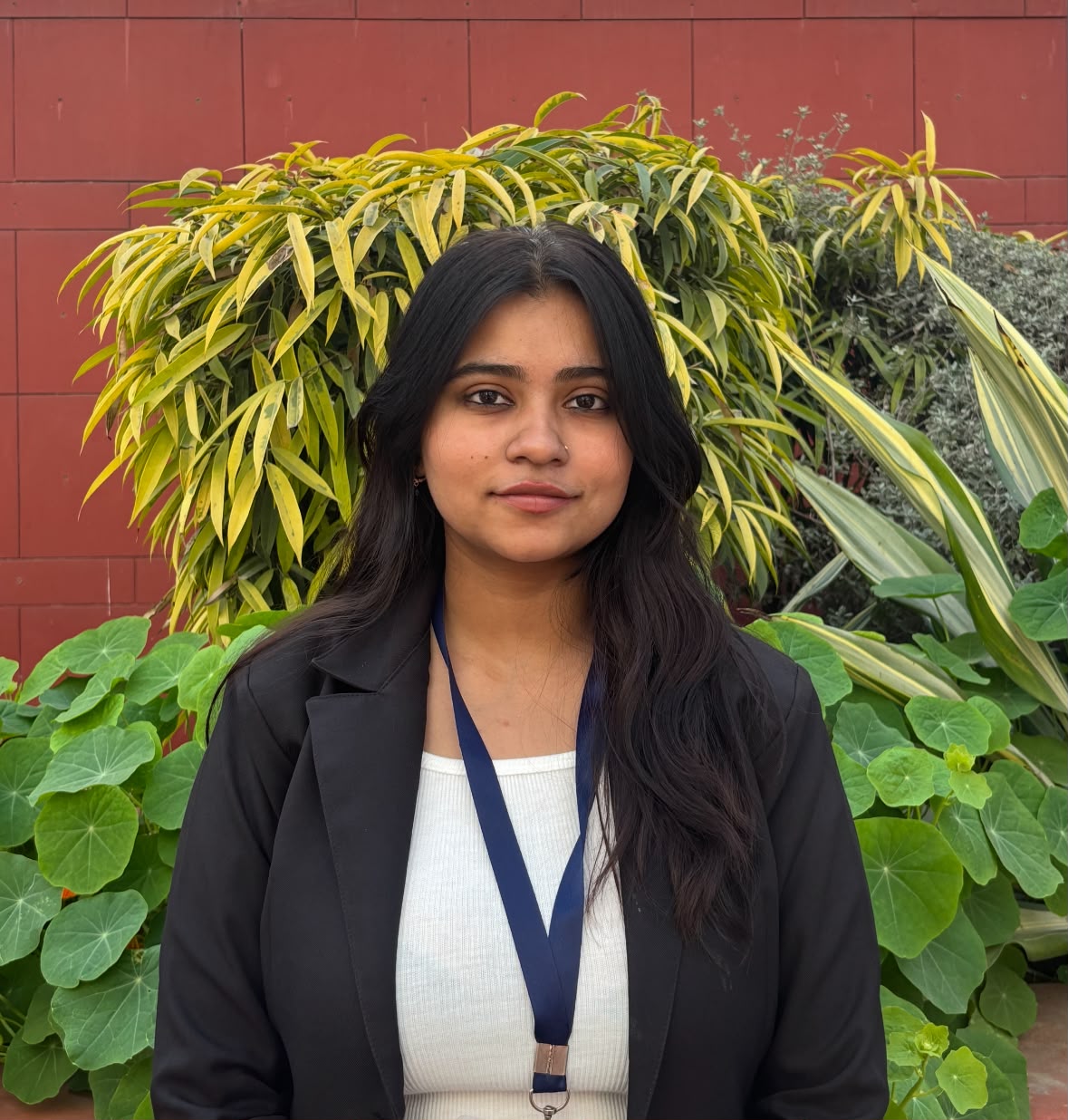
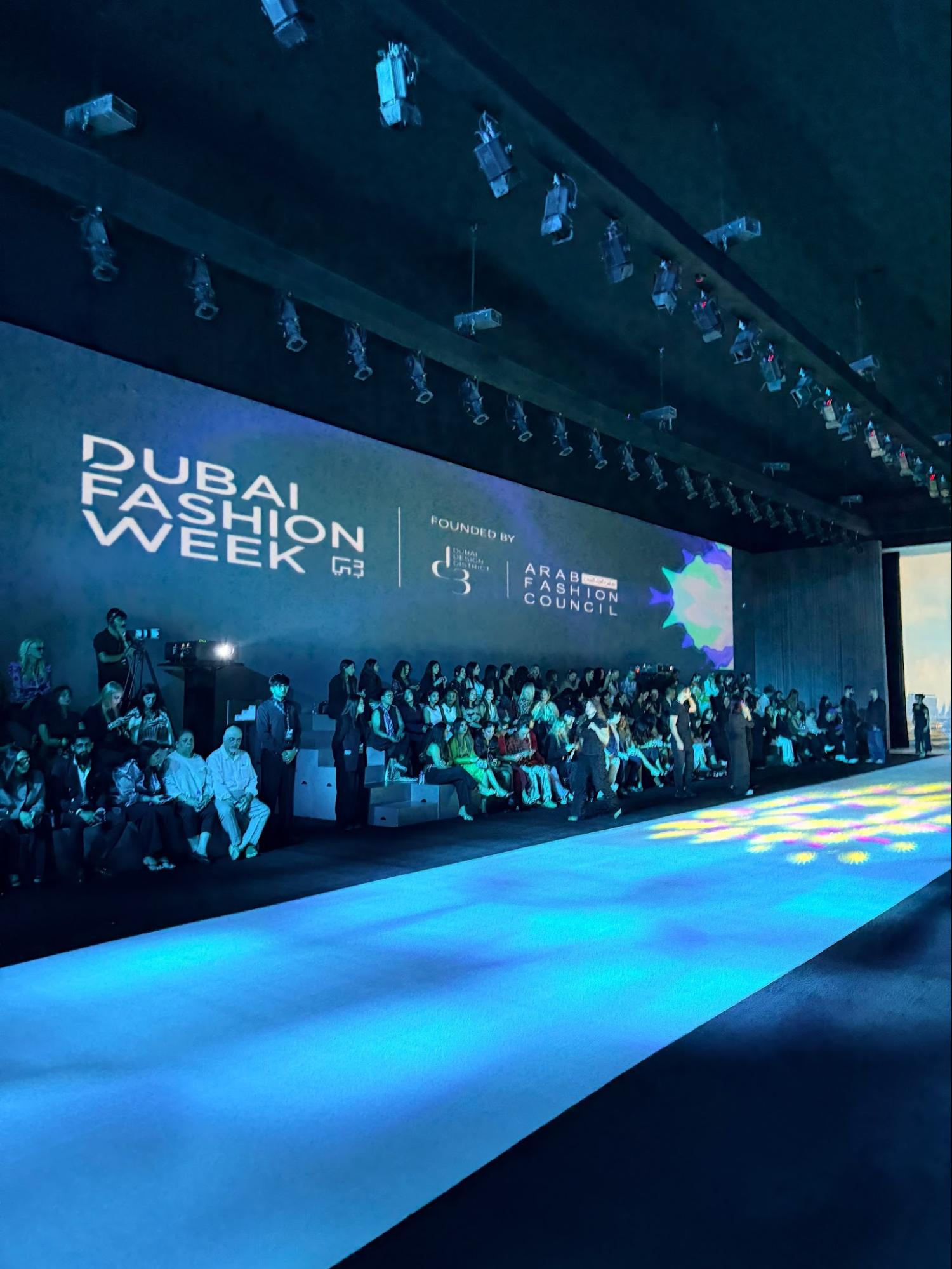
Fashion Law Journal is at Dubai Design District (d3) this week for the Spring/Summer 2027 edition of Dubai Fashion Week, and the photographs in this report were taken by our team on the ground.
Dubai Fashion Week has grown from a regional fashion platform into an increasingly international fixture, bringing together designers from the Middle East, South Asia, Europe and beyond. Its 2026 calendar reflects that change, with collections ranging from elaborate couture and modest dressing to experimental tailoring, upcycled fashion and commercially focused ready-to-wear.
The latest edition, Spring/Summer 2027, runs from 22 to 26 October 2026 at Dubai Design District (d3). Alongside runway shows, the programme includes designer showrooms, buyer appointments and industry networking. As set out in the official announcement by Dubai Design District, the aim is not only to showcase collections but also to connect designers with retailers, buyers and potential business partners.
The full schedule published by Dubai Fashion Week adds designers and brands from Azerbaijan, Colombia, Jordan, South Korea, Vietnam, Puerto Rico, Kuwait, Egypt, India, France and Ukraine to the UAE’s own talent, which makes this one of the widest line-ups the event has carried.
FLJ Insider Pro is open: live fashion law jobs and internships, five career guides and two roadmaps. Early bird USD 12/month. See what's inside
From Arab Fashion Week to Dubai Fashion Week
The event dates back to 2015, when Dubai established Arab Fashion Week. Its first edition was held in Dubai from 31 October to 2 November 2015, and the calendar gradually expanded to include ready-to-wear, couture and menswear.
In February 2023, Dubai Design District and the Arab Fashion Council officially launched Dubai Fashion Week, building on Arab Fashion Week’s existing platform. The first edition under the new name took place from 10 to 15 March 2023. The organisers positioned it as an international industry event intended to support emerging designers, attract buyers and strengthen Dubai’s place on the global fashion calendar.
The transition was built on an established record. According to the official history published by Dubai Fashion Week, Arab Fashion Week ran for 21 seasons over seven years, with names such as Jean Paul Gaultier, Iris van Herpen and Moschino on its calendar. It also moved online from March 2020 to June 2021 during the COVID-19 pandemic, before returning to in-person shows at d3.
The name change therefore represented more than a rebranding exercise. It formalised the event’s ambition to connect regional design talent with international fashion businesses, while using Dubai’s position as a retail and commercial centre to create opportunities beyond the runway.
2026: A More International Fashion Calendar
One of the clearest developments in 2026 is the range of designers and markets represented. The Autumn/Winter 2026/27 edition, held from 1 to 6 February, opened with Italian luxury house Alberta Ferretti as guest designer, which Dubai Design District described as the house’s first full-scale show in the Middle East.
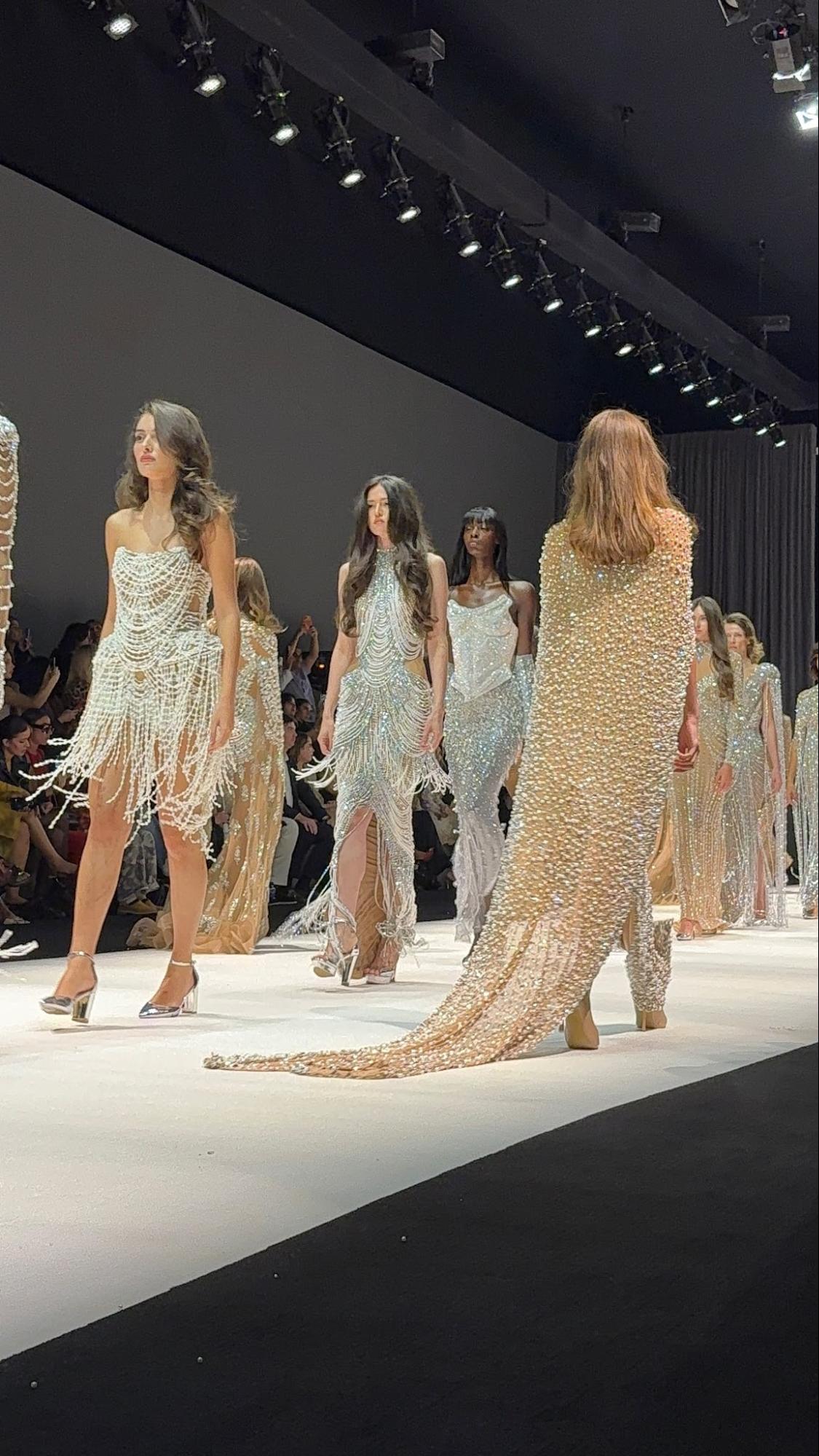
The organisers said that February edition would feature homegrown brands from the UAE and the wider MENA region as well as designers from India, France, Italy and the UK, supported by collection launches, private presentations and a buyers’ programme.
This international mix continues in the current Spring/Summer 2027 edition. The official Dubai Fashion Week calendar lists designers from different markets, including Kuwaiti designer Yousef Aljasmi, Indian designer Pallavi Puri, Paris-based Ludovic de Saint Sernin and four Colombian labels showing on the same evening.
The result is a calendar that does not rely on one dominant fashion identity. Instead, it creates space for different approaches to luxury, occasionwear, contemporary dressing and design-led experimentation.
Couture, Modest Dressing and Statement Eveningwear
Couture and occasionwear remain important parts of Dubai’s fashion identity, and opening night on 22 October showed it. The runway schedule ran from Yousef Aljasmi at 5.30pm to Sara Pedram, Pallavi Puri and, closing the night, Krésha Bajaj x Alok Lodha Jewels. Dubai Fashion Week’s own designer profiles describe Aljasmi’s signature as crystals, sequins, embroidery and intricate embellishment on body-conscious eveningwear, while Sara Pedram, who set up her atelier in d3 in 2021, builds her couture on hand embroidery and Persian motifs.
Indian designer Pallavi Puri brings another perspective through collections that include jalabiyas, kaftans and abayas, and now works from her own atelier in Dubai. These garments sit within the broader modest-fashion market, where coverage and silhouette can be central to design without excluding colour, surface detail or contemporary styling.
Krésha Bajaj’s pieces are hand-embroidered and made to order, using traditional Indian techniques such as zardozi, aari, cutwork and micro-beading. These examples show how the event accommodates highly decorative, occasion-led fashion alongside more restrained contemporary labels.
The rest of the week keeps that range. According to the official calendar, Vietnam’s L’Scarlett, Ukraine’s KEL’ and Azerbaijan’s GNL Couture show on 23 October; Laura Aparicio, Adriana Capasso, ODA and Mónica Schuster, all from Colombia, share the runway on 24 October; and Weinsanto from France closes the evening of 25 October before the final shows on 26 October.
Sustainability and Experimental Design Move Beyond the Runway
Sustainability and material experimentation have also appeared in the 2026 calendar. During the February Autumn/Winter edition, Emergency Room and Timberland presented “Hey, what are you up to?”, pairing one-of-one upcycled pieces with Timberland footwear. The collaboration placed existing materials and garment reuse within a fashion presentation rather than treating sustainability as a separate discussion.
The same edition also included designers exploring architecture, memory and historical references. Absent Findings, presented by Polimoda, showed a collection titled Not What You Think, while FAD Institute Dubai presented alumna Dhara Shah’s Victorian-inspired designs combining structured corsetry and detailed construction.
These collections show how designers develop a point of view through different methods, from reworking existing materials to translating historical or architectural references into contemporary silhouettes. The official Dubai Design District report on day three documents these presentations and the wider mix of creative approaches.
For Dubai Fashion Week, this variety matters. The platform is not limited to established luxury houses or traditional couture. It also gives newer labels opportunities to present experimental work and reach buyers looking for distinctive products and new design directions. FLJ has covered how that circular thinking is turning into business in the UAE in our interview with Rosie Gunn of Endless.
Buyers, Showrooms and the Business of Fashion
A major part of Dubai Fashion Week’s 2026 direction is its emphasis on what happens after a collection is shown. The organisers say the Spring/Summer 2027 Buyers’ Programme brings leading regional buyers together with international department stores and digital marketplaces, and the week has also been extended into retail through a month-long Dubai Fashion Week pop-up at Harvey Nichols, running from 1 to 31 October 2026.
This commercial focus matters especially for emerging labels. A runway presentation can introduce a collection to the press and fashion audiences, but relationships with buyers and retailers can help a brand reach customers and establish a longer-term presence in the market.
The showroom side of the calendar is busy. On opening day alone, the official schedule listed eight showroom appointments, from Ludovic de Saint Sernin at 9am to Zavi at 2pm, before the evening runways began. That gives buyers time to examine products up close and discuss potential partnerships, which is where much of the real business of a fashion week is done, as FLJ explained in fashion week is built by four companies you have never heard of.
What Fashion Law Journal Is Watching at d3
Being on the floor at d3 makes one thing clear: the most valuable thing many of these designers own is a signature detail, whether that is Aljasmi’s crystal work, Pedram’s embroidery or Bajaj’s hand-beading. Those details are also the easiest to copy once the runway images circulate. In the UAE, designers can register industrial designs with the Ministry of Economy under Federal Law No. 11 of 2021 on industrial property, protect their brand names under Federal Decree-Law No. 36 of 2021 on trademarks, and rely on Federal Decree-Law No. 38 of 2021 on copyright, as the UAE government’s intellectual property guide sets out. Whether a garment design qualifies for copyright is a harder question everywhere, as FLJ explored in does fashion design actually qualify for copyright protection.
The showroom appointments raise contract questions too. A buyer meeting at fashion week often turns into an order on the spot, so designers should confirm quantities, delivery dates, payment terms and any exclusivity in writing before production starts. Collaborations such as Krésha Bajaj x Alok Lodha Jewels, or Emergency Room x Timberland in February, are a reminder to agree in advance who owns the jointly designed pieces and the images of them. And as the UAE tightens its approach to counterfeits, covered in our piece on the UAE’s 24-hour rule on fake goods, regional labels that register early will be best placed to act when copies appear.
What Dubai Fashion Week Represents in 2026
Dubai Fashion Week’s development reflects a broader change in how fashion weeks operate. Their importance increasingly depends not only on the collections presented but also on the commercial opportunities, international visibility and relationships they create.
The 2026 calendar brings together couture, modest dressing, experimental design, upcycling and international ready-to-wear. It also gives buyers and designers a structured setting to connect beyond the runway. These elements help distinguish the event from a programme focused solely on fashion shows, and they bring the legal side of the business, from fashion week and event law to design protection, into sharper focus.
Its history provides the foundation, but its current direction focuses on building a stronger international network for designers and brands. As the Spring/Summer 2027 edition continues through 26 October, Dubai Fashion Week is positioning itself as both a platform for creative expression and a route into the region’s fashion market. Fashion Law Journal will keep reporting from d3 until the final shows.
FASHION LAW JOURNAL INSIDER
Join designers, brand founders and fashion lawyers who get the biggest brand battles, IP fights and career moves in fashion law, straight to their inbox.