
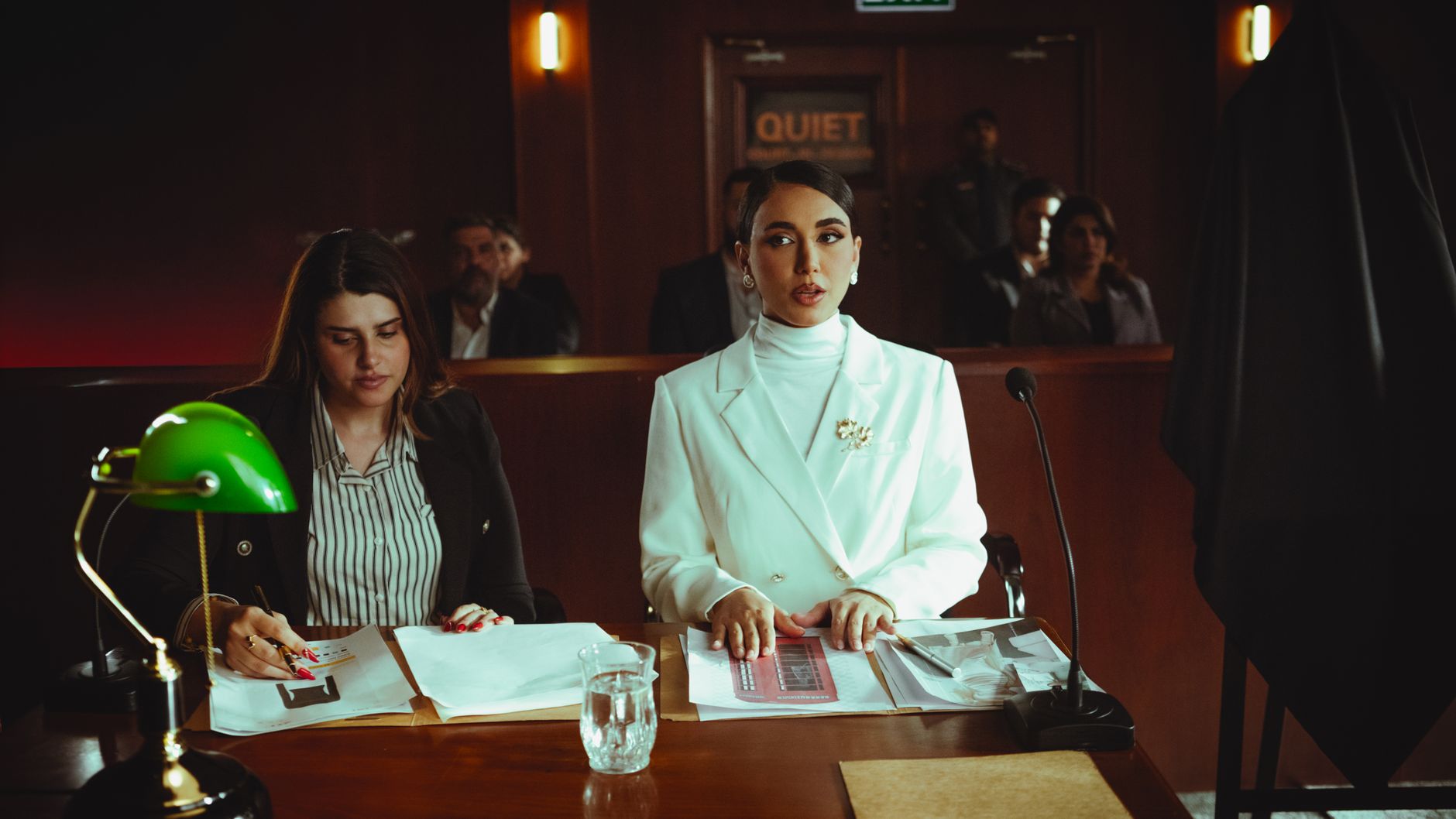
A fashion litigation lawyer runs disputes for brands, retailers, platforms and suppliers. Most of the work is trademark and design infringement, counterfeiting, contract failures and advertising claims. Very little of it reaches trial, and most of it is decided at the interim injunction stage, because a fashion season is short and an order that runs through it settles the commercial question.
This is the adversarial lane of fashion law. It suits people who like pressure and argument and dislike the administrative rhythm of portfolio work.
What the disputes are actually about
| Dispute type | Typical trigger | How it usually ends |
|---|---|---|
| Trademark infringement | A confusingly similar name, logo or signature element | Undertakings or settlement; occasionally a reported judgment |
| Design infringement and copying | A close copy of a silhouette, print or hardware detail | Interim relief, then settlement |
| Counterfeiting | Fakes at scale, usually online or through customs seizures | Default judgments, seizure orders, platform action |
| Contract disputes | Cancelled orders, failed deliveries, licensee underperformance | Negotiated resolution; arbitration in cross-border deals |
| Advertising and consumer claims | Pricing practices, green claims, influencer disclosure | Regulatory action or class claims, depending on jurisdiction |
| Departing talent | A designer or executive moving with knowledge or contacts | Injunctions and confidential settlement |
The distribution matters. Students imagine a practice built on copying cases; most practitioners spend more of their time on contract failures and enforcement volume. Understanding where the line between a legal copy and an infringement sits is still the intellectual core of the job, and our explainer on dupes versus counterfeits sets it out.
Four decisions worth knowing
Louboutin v Yves Saint Laurent, US Court of Appeals for the Second Circuit, 2012
The court rejected a blanket rule against single colour marks in fashion, holding that aesthetic functionality requires a fact-specific inquiry, and that protection is denied only where exclusive use would put competitors at a significant non-reputation-related disadvantage. It then limited Louboutin’s mark to a red lacquered outsole contrasting with the adjoining upper, which meant YSL’s monochrome red shoe did not infringe (opinion).
FLJ Insider Pro is open: live fashion law jobs and internships, five career guides and two roadmaps. Early bird USD 12/month. See what's inside
The lesson for a litigator is that winning the principle and losing the case are entirely compatible outcomes, and that how a mark is defined often decides the dispute before the evidence does. Our short piece on trade dress covers the adjacent doctrine.
Hermes International v Rothschild, US District Court, Southern District of New York, 2023
A jury found for Hermes on trademark infringement, dilution and cybersquatting over the MetaBirkins non-fungible tokens, awarding USD 133,000 in damages. The court applied the Rogers v Grimaldi framework and found the artistic-expression defence unavailable on the evidence, which included survey material on consumer confusion (case note).
Note the damages figure. A landmark case in the field produced an award smaller than the cost of running it. Fashion litigation is very often about precedent, deterrence and market signal rather than recovery.
Louboutin v Amazon, Court of Justice of the European Union, December 2022
In joined cases C-148/21 and C-184/21, the Court held that the operator of an online marketplace may itself be treated as using a third party’s trademark, where a reasonably well informed user could establish a link between the mark and the operator’s own services, for example because the platform’s advertising presents the goods as its own (EU IP Helpdesk). That reopened a route to direct claims against platforms rather than only against individual sellers.
Christian Louboutin SAS v Nakul Bajaj, Delhi High Court
The Indian courts reached a comparable destination by a different route, holding that an e-commerce platform which actively participates in the sale, rather than acting as a passive conduit, cannot rely on the intermediary safe harbour in the Information Technology Act. Our case note is here: Christian Louboutin SAS v Nakul Bajaj. For a current US example of how these arguments are running now, see our note on Williams-Sonoma v Quince.
Where these cases are heard
United States. Federal district courts, with appeals to the regional circuits, except design patent appeals which go to the Federal Circuit. That court changed design patent practice materially in LKQ Corporation v GM Global Technology Operations, decided en banc on 21 May 2024, which overruled the long-standing Rosen-Durling test and applied the ordinary Graham obviousness factors to design patents (opinion). Anyone litigating US design rights in fashion needs to know this.
England and Wales. Two forums matter. The High Court for large disputes, and the Intellectual Property Enterprise Court for smaller ones. The IPEC multi-track limits damages to £500,000 and caps recoverable costs at no more than £50,000, with a small claims track for claims up to £10,000 (Courts and Tribunals Judiciary). For emerging designers, that cost certainty is the difference between having a remedy and not having one.
European Union. Registration and invalidity proceedings run through EUIPO, but infringement is litigated in national courts designated as EU trademark and design courts. A pan-EU injunction is possible, which makes forum selection an important early decision.
India. The Delhi High Court’s Intellectual Property Division, created in 2021, concentrated much of the country’s IP litigation in one forum. Indian practice is distinctive for the readiness of courts to grant interim injunctions and orders against unidentified defendants, which suits enforcement against online counterfeiting.
What the work demands
- Speed under pressure. Interim applications are prepared in days. If that prospect is energising rather than alarming, this is your lane.
- Evidence discipline. Survey evidence, market witness statements, purchase records and expert reports. Cases are won on preparation, not on argument.
- Visual explanation. You have to make a judge see what a consumer sees. That is a specific skill and it is not taught anywhere.
- Realism about cost. Advising a small designer that a claim is good but not economic is part of the job.
- Tolerance for losing. Litigators lose regularly. People who take it personally do not last.
How to build this practice
- Qualify and get into general disputes work. Procedure, evidence and interim applications transfer completely between subject areas. Routes by jurisdiction are in how to become a fashion lawyer.
- Learn IP procedure specifically. Injunctions, disclosure of infringing supply chains, seizure orders and customs procedure.
- Take the counterfeiting work. It is high volume and often delegated to juniors, which means you get responsibility early.
- Read judgments in your jurisdiction and write about them. In a field this small, being publicly literate about the case law is a genuine differentiator.
- Build a relationship with the enforcement side. Litigation and brand protection feed each other; the disputes come out of the enforcement programme.
Internships in disputes teams are worth more here than a general commercial placement, because you see the procedural machinery early.
The honest downsides
The hours are unpredictable and controlled by other people’s deadlines. Interim applications land without warning and consume weekends. Most matters settle, which means much of the work you do never gets tested and rarely gets a public result.
The economics are also uneven. Large luxury groups can fund litigation at full commercial rates; emerging designers usually cannot, which means the cases you most want to run are often the ones nobody can pay for. That gap is one of the more uncomfortable features of the field, and it is why cost-capped forums like the IPEC matter more than their caseload suggests.
There is also the volume problem at entry level. A junior on a counterfeiting programme may spend a year on default judgments and takedowns. That is genuine experience, but it is not what the job description implied. Pay follows disputes practice generally rather than anything fashion-specific, covered in fashion lawyer salary, and the wider assessment of the field is in Is Fashion Law a Good Career? An Honest Look. Unfamiliar terminology is covered in the fashion law glossary.
Against all of that: litigation is where the law in this area is actually made. Every principle a licensing lawyer relies on when drafting was settled by someone who argued it first.
Frequently asked questions
What kinds of cases do fashion litigators actually run?
Trademark and design infringement, passing off and unfair competition, counterfeit and grey market claims, contract disputes with suppliers and licensees, advertising and consumer protection claims, and employment disputes over designers moving between houses. Pure copying cases are a smaller share of the docket than students expect. Contract and enforcement work makes up most of it.
Do fashion disputes usually go to trial?
Most do not. They settle, or they end at the interim injunction stage, which in practice decides the commercial outcome because a season is short and an injunction that lasts through it is effectively final. Litigators in this field spend far more time on urgent applications and settlement negotiation than on trials.
Which jurisdiction is best for a fashion dispute?
It depends on what you want. England’s Intellectual Property Enterprise Court offers cost certainty, with a damages limit of up to £500,000 on the multi-track and recoverable costs capped at no more than £50,000. US federal court offers larger damages and broader discovery but at much higher cost. Indian courts are notable for how readily interim relief is granted. Forum choice is a substantive strategic decision, not an administrative one.
Do you need a design or technical background to litigate fashion cases?
No. What you need is the ability to explain visual similarity to a judge who has no interest in fashion, and to work with expert and survey evidence. Being able to read a technical pack or understand how a garment is constructed helps in copying cases, but it is learned on the job rather than required at entry.
Solicitor or barrister for fashion disputes in the UK?
Both work. Solicitors run the case, manage evidence and clients, and handle the commercial strategy. Barristers argue the hearings and give the specialist opinions. The specialist IP Bar is small and competitive, and very few of its members would describe fashion as a core practice, so the solicitor route offers more entry points into this kind of work.
How do you get fashion litigation experience early in a career?
Take general IP and commercial disputes first, because the procedural skills transfer completely. Then volunteer for anything involving brands, retail, counterfeiting or advertising. Interim injunction work is the highest value experience you can get in the first few years, because it is where these cases are usually decided.
This article is general career information written for an international readership. It is not legal advice, and it is not career advice specific to any individual. Case law and procedural rules change, and the summaries above are simplified; read the judgments themselves before relying on them.
Litigation is the “litigator” lane in our fashion law career quiz. If the description of urgent applications and evidence discipline sounded appealing rather than exhausting, that lane is probably yours. If it sounded like the wrong kind of pressure, the quiz will point you towards licensing, brand protection, compliance and sustainability work, entertainment and fashion law, study routes or independent practice.
FASHION LAW JOURNAL INSIDER
Join designers, brand founders and fashion lawyers who get the biggest brand battles, IP fights and career moves in fashion law, straight to their inbox.