
The growing market for reworked and upcycled luxury fashion has run into an important legal question in France: how far can an authentic branded product be transformed before the use of the brand becomes legally problematic?
On 17 September 2026, the Paris Judicial Court ordered Kamad Reworked and three of its managers to pay Louis Vuitton a total of €920,000 following a dispute over products created using parts of authentic Louis Vuitton items. The judgment covered trademark infringement, as well as unfair competition and parasitism. The Paris court judgment sets out the specific products and conduct examined by the court.
The Dispute Was About More Than Authentic Products
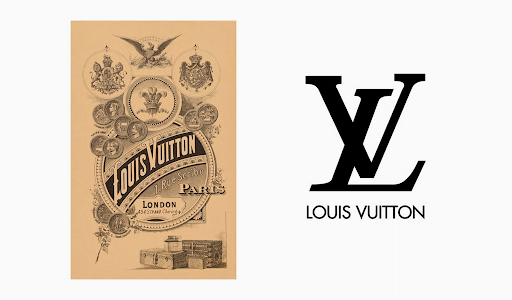
Kamad Reworked’s business involved transforming existing fashion products and materials into new pieces. In this case, the court considered the use of authentic Louis Vuitton products carrying protected signs, including the Louis Vuitton name, LV monogram and Monogram pattern.
The fact that the original Louis Vuitton products were genuine did not settle the dispute. The court examined what happened when those products were cut, incorporated into new creations and then commercially marketed.
It ultimately found trademark infringement in relation to the manufacture, marketing and promotion of the disputed products. The court also held the company’s three managers personally liable for certain conduct. The published judgment records the individual findings and remedies ordered by the court.
The financial award was divided across different claims. Louis Vuitton received €750,000 for infringement of its renowned trademarks, €10,000 for infringement of another figurative trademark, and €160,000 for unfair competition and parasitism.
When Upcycling Becomes a Trademark Question
The case is particularly relevant because it deals with a problem that is becoming more common as reworked fashion grows: the difference between using an existing product as material and continuing to commercially use the identity of the original brand.
For designers working with vintage or pre-owned luxury goods, the physical ownership of an authentic item does not necessarily answer every intellectual-property question surrounding its transformation and resale.
Here, the court found that protected Louis Vuitton signs remained part of the commercial presentation of the new products. The judgment also considered the use of Louis Vuitton products and packaging in promotional material, Louis Vuitton-related Instagram hashtags and provenance labels carrying LV branding.
These details were relevant to the court’s separate findings concerning unfair competition and parasitism. The court also considered certain jackets to imitate Louis Vuitton’s “Ornaments” range from its Spring-Summer 2023 collection.
What the Decision Means for Reworked Fashion
The decision should not be read as a blanket finding that upcycling or reworking authentic luxury products is unlawful. Instead, it shows how the legal position can change when a designer transforms a branded product into something new while continuing to use the original brand’s protected signs and commercial identity.
That distinction is important for the wider circular-fashion movement. Reworking existing garments can extend the life of materials and create products with a clear connection to their previous form. But once the resulting product is placed on the market, questions of trademark use, consumer perception, unfair competition and the commercial association with the original brand can arise.
The case therefore raises a practical issue for independent designers: where is the line between reusing a genuine luxury product and commercially exploiting the trademark attached to it?
There is no indication in the judgment that every form of transformation of an authentic Louis Vuitton item would automatically produce the same result. The court’s findings concern the particular products, branding and conduct before it.
A Warning for Luxury Upcycling Businesses
The €920,000 award makes the case significant beyond the parties involved. Luxury brands have strong commercial reasons to control how their trademarks and distinctive visual identities appear on products they did not make or authorise.
At the same time, the reworked-fashion market is built around giving existing products a second life. That creates a natural tension between circular design and intellectual-property protection, particularly when the original brand remains visible after the transformation.
For businesses operating in this space, the case is a reminder that sourcing an authentic luxury product is only one part of the legal picture. How that product is altered, how the resulting piece is presented, what branding remains visible and how it is marketed can all matter.
The Paris Judicial Court’s 17 September 2026 decision therefore offers an important reference point for the evolving relationship between luxury trademarks and the growing business of reworked fashion.
FASHION LAW JOURNAL INSIDER
Join designers, brand founders and fashion lawyers who get the biggest brand battles, IP fights and career moves in fashion law, straight to their inbox.