


Sustainable activewear has a materials problem that marketing tends to skip. Most leggings, sports bras and running tops are made from polyester or nylon, which means plastic, and the most common “sustainable” upgrade is to swap virgin polyester for polyester made from old drinks bottles. That swap is real, but it is also narrower than the green language that often surrounds it. Since 27 September 2026, the EU has been applying a ban on vague environmental claims, the UK competition regulator can fine brands directly, and advertising regulators have already ruled against sportswear ads built on the word “sustainable”. This guide explains what recycled polyester claims can and cannot say as of 15 November 2026.
Short answer: Sustainable activewear claims are legally risky when they are vague. “Made with 75% recycled polyester” can be proved; “sustainable materials” or “eco-friendly leggings” usually cannot. The EU now bans generic green claims without recognised proof, the UK CMA can fine up to 10% of global turnover, and the US FTC Green Guides require recycled content to be specific and qualified.
Key takeaways
- About 97% of recycled polyester comes from plastic bottles; recycling old clothes back into polyester fibre is still a fraction of a percent of supply.
- A recycled content claim covers one input, not the whole garment’s life cycle, and says nothing about microfibre shedding in the wash.
- The EU Empowering Consumers Directive has applied since 27 September 2026, while the separate Green Claims Directive is being withdrawn.
- Regulators have already acted on sportswear: the UK ASA ruled against a Nike “Sustainable Materials” ad in December 2025, and the Dutch ACM secured changes and donations from Decathlon and H&M in 2022.
What is sustainable activewear actually made from?
Polyester dominates. According to Textile Exchange’s Materials Market Report 2026, polyester made up 59% of global fibre production in 2025, about 82.5 million tonnes, and 88% of it was virgin, fossil-based material, as Resource Recycling reported. Recycled polyester held steady at roughly 12% of the polyester market. Stretch fabrics add elastane, and many performance garments blend fibres, which matters because blends are much harder to recycle later.
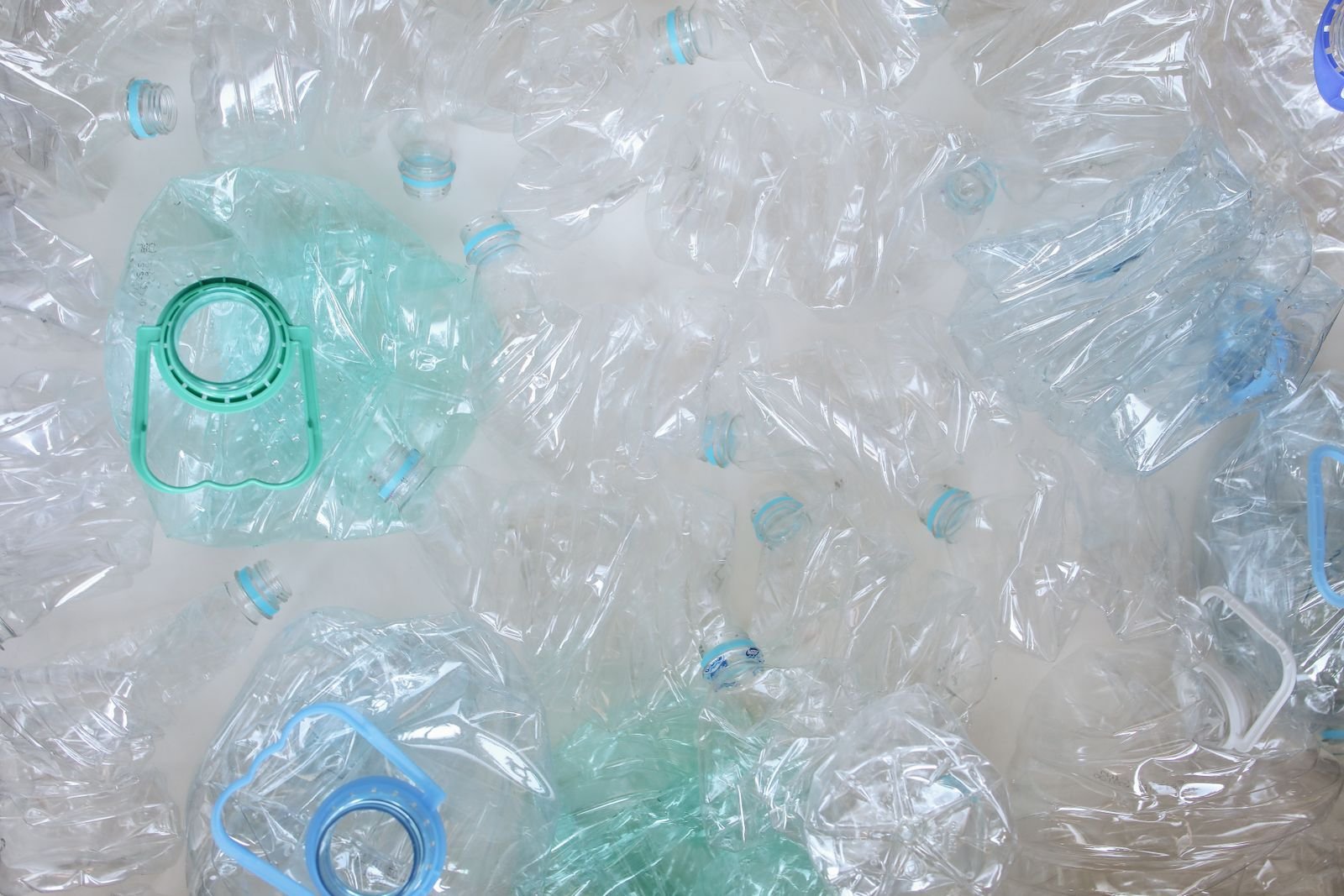
Recycled polyester, often called rPET, comes from two very different places. The first, and by far the largest, is post-consumer PET bottles: Textile Exchange’s figures put bottles at around 97% of recycled polyester production in 2025. The second is textile-to-textile recycling, where old garments or factory offcuts are turned back into polyester. Trade reports of the same data put textile-sourced recycled polyester at about 3% of recycled polyester, or around 0.3% of all polyester. So when a legging is labelled “recycled”, it almost always means bottles, not old leggings. FLJ’s guide to fibres, fabrics and labelling law covers how fibre content itself must be disclosed.
FLJ Insider Pro is open: live fashion law jobs and internships, five career guides and two roadmaps. Early bird USD 12/month. See what's inside
Is recycled polyester better, and what does a recycled claim prove?
Brands usually point to lower emissions at the production stage. In the Nike case discussed below, Nike cited Higg Materials Sustainability Index data showing lower carbon emissions for recycled polyester than virgin polyester on a “cradle to gate” basis, meaning from raw material to the point the fabric leaves the factory. That is a legitimate data point. The legal problem is stretching it. Cradle to gate excludes how long the garment lasts, how often it is washed, what it sheds and what happens at the end of its life.
A recycled content claim therefore proves one thing: a stated share of the input material came from waste. It does not prove the garment is recyclable, low impact overall or harmless. Regulators in the UK and EU now expect the claim to say exactly that and no more. A label that reads “Made with 75% recycled polyester (from plastic bottles)” is far safer than “planet-friendly performance wear”, even if the product is the same.
Why does microfibre shedding matter for green claims?
Synthetic clothing sheds plastic microfibres, especially in the wash. The European Environment Agency’s 2022 briefing on microplastics from textiles estimates that 200,000 to 500,000 tonnes of microplastics from textiles enter the global marine environment each year, and that synthetic textiles account for an estimated 16% to 35% of global primary microplastic releases to the oceans. Most shedding happens in the first few washes.
Recycled polyester is still polyester. A claim that frames a legging as good for oceans because it is made from bottles risks misleading by omission, since the garment can still shed fibres into waterways. Both the EU and UK rules treat leaving out material information, or presenting one benefit as if it covers the whole product, as potentially misleading. Activewear is washed often, which makes this a sharper issue for leggings and gym tops than for, say, a winter coat.
What do EU green claims rules require in 2026?
The main rulebook is the Empowering Consumers for the Green Transition Directive (EU) 2024/825, which amends the Unfair Commercial Practices Directive and has applied across member states since 27 September 2026. It adds claims that are banned in all circumstances. Generic environmental claims such as “eco-friendly”, “green” or “environmentally friendly” are banned unless the trader can show recognised excellent environmental performance, for example through the EU Ecolabel. Sustainability labels must be based on a certification scheme or set up by public authorities. A claim about the whole product is banned when the benefit concerns only one aspect of it, and claims of reduced or neutral climate impact based on carbon offsetting are banned outright.
For activewear, that hits three habits at once: in-house “conscious” or “eco” hang tags, product pages that call a whole collection sustainable because one fabric is recycled, and “climate neutral” shipping or product claims. Lawyers at Lewis Silkin note that words such as “sustainable”, “conscious” and “responsible” are particularly hard to support because they imply social as well as environmental performance. FLJ’s explainer on the EU greenwashing ban that started on 27 September 2026 goes through the full list.
What happened to the Green Claims Directive? The Commission proposed it in March 2023 to require independent pre-approval of explicit environmental claims. Negotiations stalled in June 2025, and on 4 November 2026 the Commission’s 2027 work programme listed the proposal among those it intends to withdraw, as Lewis Silkin explains. That removes the planned pre-verification system, not the ban on vague claims, which is already law.
How does the UK police sustainable activewear claims?
Two bodies matter. The Competition and Markets Authority enforces consumer law and its Green Claims Code, and since 6 April 2025 the Digital Markets, Competition and Consumers Act 2024 has let it fine businesses directly, up to 10% of global turnover, without going to court first. FLJ covers that power in the CMA’s new fining power. In March 2024 the CMA secured undertakings from ASOS, Boohoo and Asda requiring them to show the percentage of recycled or organic fibre clearly and to make “recycled” search filters show only items made predominantly from recycled material.
In January 2026 the CMA published guidance on green claims across the supply chain. Its examples read like an activewear compliance file: a retailer that described all its tents as “made from recycled polyester” when none had more than 50% recycled content and it relied on an uncertified supplier statement, and trainers sold as “100% recycled” when only the sole was. The message is that passing on a supplier’s claim makes it your claim, and that fashion evidence typically means scope certificates and transaction certificates showing fibre content.
The Advertising Standards Authority handles ads. On 3 December 2025 it upheld a complaint about a paid Google ad reading “Nike Tennis Polo Shirts… Sustainable Materials”. Nike said the polos contained at least 75% recycled materials and relied on cradle-to-gate data. The ASA ruled that consumers would read “sustainable materials” as meaning no detrimental impact across the full life cycle, which the evidence did not show, and that character limits were no excuse. Same-day rulings against Superdry and Lacoste reached the same view on “sustainable” wording.
What have EU regulators done about sportswear claims?
The clearest sportswear example predates the new directive. In September 2022 the Dutch Authority for Consumers and Markets announced that Decathlon and H&M would adjust or stop sustainability claims on clothing and websites after it found labels and terms such as “Ecodesign” and “Conscious” unclear or insufficiently substantiated. As ICPEN summarised, Decathlon agreed to donate €400,000 and H&M €500,000 to sustainability causes, and the ACM did not impose sanctions. Under the 2026 rules, an in-house label like those would need to rest on a certification scheme or public authority to be used at all.
What does the US require for recycled polyester claims?
In the US the reference point is still the FTC’s Green Guides, last revised in 2012. The FTC opened a review in December 2022 but had not issued revised guides as of autumn 2026. The guides say general environmental benefit claims are hard to substantiate and should be qualified, and that recycled content claims should cover only material recovered or diverted from the waste stream, with the recycled share stated when a product is only partly recycled. FLJ’s guide to what the FTC Green Guides still allow sets out the detail.
Private class actions are the other route, with mixed results for plaintiffs. In Gyani v. Lululemon, a proposed class action over the brand’s “Be Planet” marketing, the Southern District of Florida dismissed the case on 19 February 2025 for lack of standing, because the plaintiffs had not tied a price premium to the alleged misstatements. That was a procedural win, not a finding that the claims were accurate, and state laws such as California’s on carbon offset disclosures keep adding pressure.
Do RCS and GRS certifications make a claim legal?
They help, but they are evidence, not a shield. Textile Exchange runs the two main recycled standards. The Recycled Claim Standard applies to products with at least 5% recycled material and verifies the recycled input and its chain of custody. The Global Recycled Standard version 5.0 applies from 20% recycled content, allows product-specific GRS labelling only from 50%, and adds social, environmental and chemical criteria for processing. Both new versions took effect on 1 July 2026 and become mandatory for audits from 31 December 2026, as Textile Exchange phases them towards its Materials Matter Standard. The GRS text itself says it “does not address quality or legal compliance”.
In practice, a transaction certificate supports a factual recycled content statement. It does not turn “sustainable” into a provable claim, and an RCS logo on a garment with 6% recycled fibre can still mislead if the marketing implies much more.
Which activewear claims are safer, and which are risky?
| Claim | Risk level | Why |
|---|---|---|
| “Made with 75% recycled polyester from plastic bottles” | Lower | Specific, measurable and traceable through certificates |
| “Recycled leggings” (garment 30% recycled) | Medium to high | Implies the whole product; CMA, EU rules and Green Guides expect the share to be stated |
| “Sustainable materials” or “sustainable activewear” in an ad | High | Read as a whole life cycle claim; ruled misleading by the ASA in December 2025 |
| “Eco-friendly” or “green” collection | High in the EU | Generic claim banned since 27 September 2026 without recognised excellent performance |
| In-house “conscious” or “eco” label | High in the EU | Sustainability labels must rest on certification or public authority schemes |
| “Ocean-friendly” because made from bottles | High | Ignores microfibre shedding; may mislead by omission |
| “Climate neutral” based on offsets | Banned in the EU | Offset-based neutrality claims prohibited under Directive 2024/825 |
Sources: Directive (EU) 2024/825, CMA guidance and undertakings, ASA rulings, FTC Green Guides. Risk levels are FLJ’s assessment, not regulator categories. Shoppers checking a brand can use FLJ’s checklist on whether sustainable fashion claims hold up legally, and the wider market context is in our piece on the rise of athleisure.
This article is general information about the law as of 15 November 2026, not legal advice. National implementing laws differ, so check local rules before relying on a claim.
Frequently asked questions
Is recycled polyester activewear sustainable?
It uses waste plastic instead of new fossil feedstock, which can cut production-stage emissions, but it is still polyester, it sheds microfibres and most of it comes from bottles rather than old clothes. “Sustainable” overstates that.
Can a brand call leggings “recycled” if only part of the fabric is recycled?
Only with care. UK, EU and US guidance all expect the recycled share to be stated, for example “made with 60% recycled polyester”, rather than implying the whole garment is recycled.
Is “eco-friendly” banned in the EU?
Since 27 September 2026, generic claims such as “eco-friendly” or “green” are banned unless the trader can show recognised excellent environmental performance, such as an EU Ecolabel. Specific, substantiated claims remain allowed.
What happened to the EU Green Claims Directive?
Talks stalled in June 2025, and on 4 November 2026 the Commission listed the proposal for withdrawal in its 2027 work programme. The ban on vague claims under Directive 2024/825 still applies.
Does a GRS or RCS certificate protect a brand from greenwashing claims?
It supports a factual recycled content statement through chain of custody records, but it does not make broad claims like “sustainable” lawful. The GRS itself says it does not address legal compliance.
Has any sportswear brand been ruled against for green claims?
Yes. The UK ASA upheld a complaint about a Nike “Sustainable Materials” Google ad in December 2025, and in 2022 Decathlon agreed with the Dutch ACM to change its claims and donate €400,000.
FASHION LAW JOURNAL INSIDER
Join designers, brand founders and fashion lawyers who get the biggest brand battles, IP fights and career moves in fashion law, straight to their inbox.