

For decades, brands answered questions about sweatshops with codes of conduct and audit reports. Those were promises, not legal duties, and when a supplier’s factory locked its fire exits or skipped wages, the brand at the top of the chain usually faced bad headlines rather than a court. That is changing. Customs authorities now seize goods tied to forced labour, California makes fashion brands pay for wage theft in their contractors’ workshops, and the EU has adopted laws that will ban forced labour products from its market and require large companies to police their supply chains. Here is where those laws stand on 15 November 2026, and which ones actually put brands on the hook.
Short answer: Several laws now make brands answer for sweatshops in their supply chains. The US blocks imports made with forced labour under the Tariff Act and the Uyghur Forced Labor Prevention Act, California makes brands jointly liable for garment workers’ unpaid wages, and the EU will ban forced labour products from December 2027 and impose due diligence duties from 2029.
Key takeaways
- US Customs has denied entry to more than 24,300 shipments worth nearly $1 billion under the UFLPA, and the entity list grew to 187 companies in August 2026, including apparel and cotton firms.
- California’s Garment Worker Protection Act makes brands that contract for garment work jointly and severally liable for workers’ unpaid wages; New York’s Fashion Act has still not passed.
- The EU Forced Labour Regulation applies from 14 December 2027; the 2026 Omnibus cut the CSDDD to companies with more than 5,000 employees and €1.5 billion turnover, applying from July 2029.
- The UK plans fines for missing modern slavery statements, and the legally binding International Accord born after Rana Plaza now has around 300 signatories.
What counts as a sweatshop, and why did the law move?
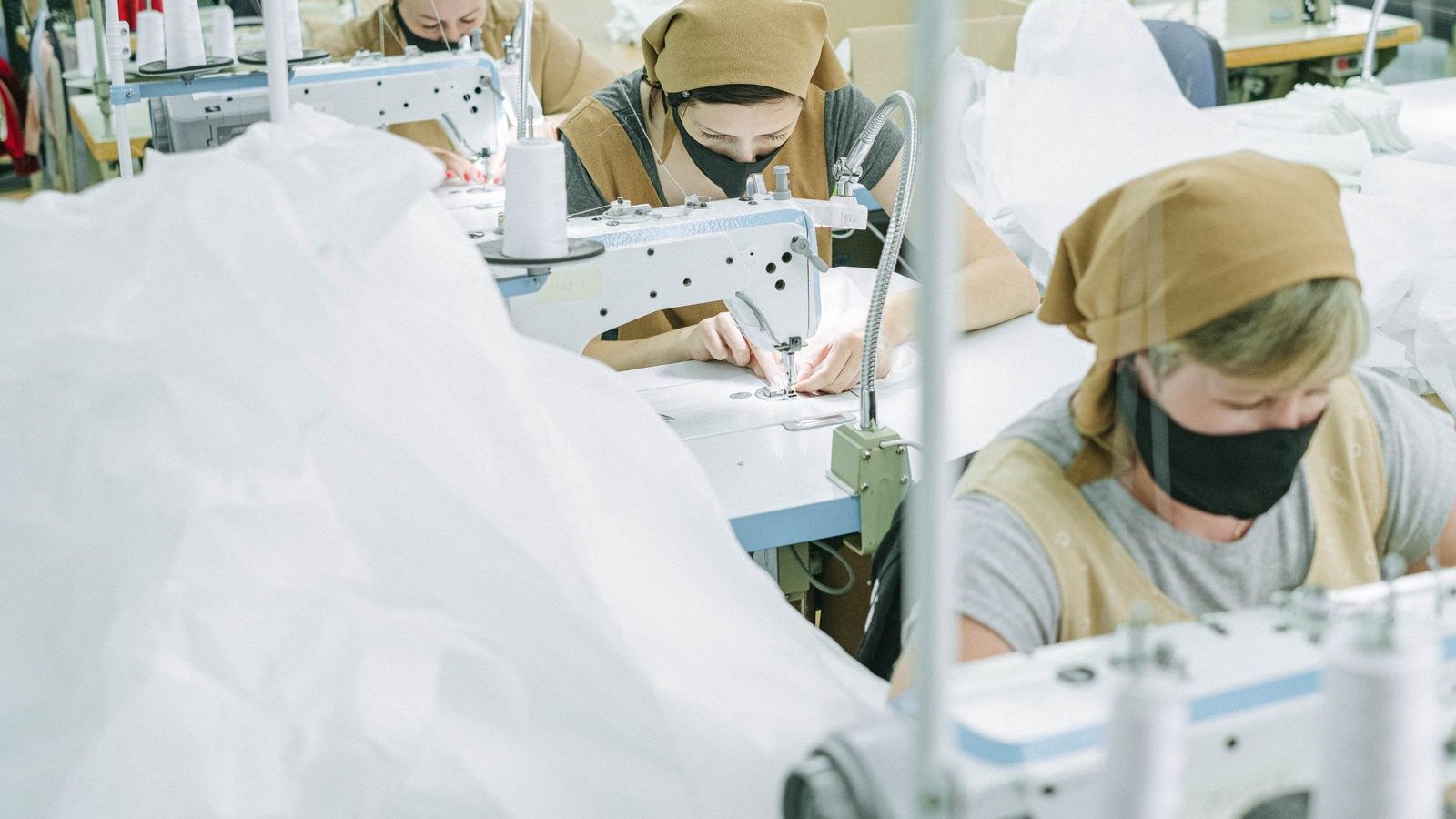
“Sweatshop” is not a legal term. It describes workplaces with some mix of very low or unpaid wages, excessive hours, unsafe buildings, and coercion or forced labour. The laws below attack different parts of that picture: wage theft, forced labour, and failures to identify and fix abuse in supply chains.
The turning point was the collapse of the Rana Plaza building near Dhaka on 24 April 2013, which killed more than 1,100 people and injured more than 2,500, according to the International Labour Organization. The factories inside were making clothes for western brands, and the disaster exposed how little legal responsibility those brands carried. FLJ’s retrospective, Remembering the Rana Plaza tragedy, traces what followed. The shift since then has been from voluntary pledges to enforceable rules.
FLJ Insider Pro is open: live fashion law jobs and internships, five career guides and two roadmaps. Early bird USD 12/month. See what's inside
How does the US keep sweatshop goods out?
The oldest tool is section 307 of the Tariff Act of 1930, which bans imports of goods made wholly or partly with forced labour, including forced child labour. For most of its life it had a loophole: goods could still come in if US production could not meet “consumptive demand”. The Trade Facilitation and Trade Enforcement Act of 2015, signed in 2016, removed that exception, and US Customs and Border Protection now uses withhold release orders to detain goods from specific producers.
The Uyghur Forced Labor Prevention Act, in force since 21 June 2022, goes further. It presumes that goods made wholly or partly in Xinjiang, or by companies on the UFLPA Entity List, were made with forced labour. The importer must rebut that with clear and convincing evidence, which in practice means tracing cotton and yarn back to the field. On 31 July 2026 the Department of Homeland Security added 43 companies to the list, effective 3 August, taking it to 187 entities across sectors including apparel and cotton, and CBP has denied entry to more than 24,300 shipments valued at nearly $1 billion since the law took effect, Troutman Pepper Locke reported. FLJ’s analysis of Xinjiang cotton and the UFLPA Entity List explains how this plays out for fast fashion.
These are border measures. The brand loses its goods and faces delays and reputational damage, but the statute does not create damages claims for workers.
Can a brand be liable for wage theft in a supplier’s workshop?
In California, yes. The Garment Worker Protection Act, known as SB 62, took effect on 1 January 2022. It bans piece-rate pay for garment work, requiring at least the minimum hourly wage, and makes contractors, manufacturers and “brand guarantors” jointly and severally liable for unpaid wages, attorney’s fees and certain penalties. The California Labor Commissioner’s guidance on the Act defines a brand guarantor as anyone who contracts for garment manufacturing, however many layers sit between it and the workshop, including brand licensors.
That is the closest thing in force anywhere to direct brand liability for sweatshop wages. FLJ’s breakdown of SB 62 covers the detail, and our guide to living wages in fashion sets out what workers actually earn.
New York has tried to go further. The Fashion Sustainability and Social Accountability Act, the “Fashion Act”, would require large fashion companies selling in the state to map their supply chains and carry out due diligence. It has not become law. In the 2025 to 2026 session, the Senate version, S4558, sat in the Consumer Protection Committee, and the Assembly version, A4631B, was referred back to committee in January 2026.
What will the EU Forced Labour Regulation do?
The Forced Labour Regulation (EU) 2024/3015 bans products made with forced labour from being placed on, made available on, or exported from the EU market. It applies from 14 December 2027. Unlike the UFLPA, it is not limited to one region: national authorities and the Commission investigate on a risk basis, and if forced labour is established, the product must be withdrawn and disposed of. It covers all companies, whatever their size, and online sales. FLJ’s guide to what fashion supply chains must do by 2027 walks through the preparation steps.
What did the Omnibus change in the EU CSDDD?
The Corporate Sustainability Due Diligence Directive was adopted in 2024 to make large companies identify, prevent and remedy human rights and environmental harms in their chains of activities, backed by EU-wide civil liability. The Omnibus I package cut it back. Directive (EU) 2026/470, published in the Official Journal on 26 February 2026, now limits the CSDDD to EU companies with more than 5,000 employees and over €1.5 billion net worldwide turnover, and to non-EU companies with over €1.5 billion turnover in the EU. Member states must transpose it by 26 July 2028, and companies must comply from 26 July 2029.
Two changes matter most for workers. The harmonised EU civil liability regime was removed, leaving liability to national law, with a review due by July 2031. The duty to adopt climate transition plans was deleted. Maximum fines are capped at 3% of net worldwide turnover. FLJ’s analysis of CSDDD and fashion after the Omnibus covers which fashion groups are still in scope.
What about Germany and France?
Germany’s Supply Chain Due Diligence Act, the LkSG, has applied since 2023 and now covers companies with at least 1,000 employees in Germany. It requires risk analysis, preventive measures and a complaints procedure, enforced by the federal export control office BAFA. In September 2025 the federal cabinet approved a bill to scrap the annual reporting duty and limit fines to serious breaches, saying human rights standards would not be lowered. As far as we could confirm, that bill had not been enacted by early November 2026, though the due diligence duties themselves remain.
France’s duty of vigilance law of 27 March 2017 applies to French companies with at least 5,000 employees in France, or 10,000 worldwide, including subsidiaries. They must publish and implement a vigilance plan covering human rights and environmental risks in their own operations, subsidiaries, subcontractors and suppliers. Courts can order a company to comply, and victims can seek damages under ordinary French civil liability rules if a failure to comply caused harm.
Is the UK Modern Slavery Act getting teeth?
Section 54 of the Modern Slavery Act 2015 requires businesses with turnover of £36 million or more to publish an annual slavery and human trafficking statement. Until now, the only enforcement route has been an injunction, and a statement saying a company took no steps was technically compliant. Amendments introduced on 30 June 2026 in the Immigration and Asylum Bill would require statements to cover set topics, including supply chain risks and due diligence, and would allow civil penalties of up to the greater of £1 million or 1% of turnover for failing to publish one without reasonable excuse, Skadden explains. The bill was still going through Parliament as of September 2026, so these are proposals, not law.
Did Rana Plaza create anything legally binding for brands?
Yes, by contract rather than statute. The 2013 Accord on Fire and Building Safety in Bangladesh was signed by brands and global unions and allowed independent factory inspections, with disputes resolved through binding arbitration. Its successor, the International Accord for Health and Safety in the Textile and Garment Industry, describes itself as a legally binding agreement between brands and trade unions. It runs country programmes in Bangladesh and Pakistan, and in September 2026 it announced that 300 brands had signed.
| Law or agreement | Where | What it does to brands | Status at 15 November 2026 |
|---|---|---|---|
| Tariff Act s.307 | US | Imports made with forced labour can be detained and excluded | In force; consumptive demand exception removed 2016 |
| Uyghur Forced Labor Prevention Act | US | Presumes Xinjiang and Entity List goods use forced labour | In force since 21 June 2022; 187 listed entities |
| Garment Worker Protection Act (SB 62) | California | Brand guarantors jointly liable for unpaid garment wages | In force since 1 January 2022 |
| Fashion Act | New York | Would require supply chain mapping and due diligence | Not passed |
| Forced Labour Regulation 2024/3015 | EU | Market ban and withdrawal of forced labour products | Applies from 14 December 2027 |
| CSDDD as amended by Directive 2026/470 | EU | Due diligence for groups over 5,000 staff and €1.5bn turnover | Applies from 26 July 2029 |
| LkSG | Germany | Supply chain due diligence for 1,000+ employees in Germany | In force; amending bill pending |
| Duty of vigilance law | France | Vigilance plan; court orders and civil damages | In force since 2017 |
| Modern Slavery Act s.54 | UK | Annual statement above £36m turnover | In force; penalties proposed in 2026 bill |
| International Accord | Bangladesh, Pakistan | Binding safety commitments enforceable by arbitration | About 300 signatories |
Sources: CBP, DHS, California Labor Commissioner, EUR-Lex, German federal government, UK Parliament bill as summarised by Skadden, International Accord. Check primary texts before relying on dates.
This article is general information as of 15 November 2026, not legal advice.
Frequently asked questions
Are sweatshops illegal?
The practices that define them, such as unpaid wages, unsafe buildings and forced labour, are illegal almost everywhere. The harder question has always been whether the brand at the top of the chain can be held responsible, and that is what these newer laws address.
Can a fashion brand be sued for sweatshop conditions in its supply chain?
Sometimes. In California, workers can recover unpaid wages from brand guarantors under SB 62, and in France victims can claim damages linked to a failure of vigilance. Elsewhere, liability usually depends on general tort law.
What does the Uyghur Forced Labor Prevention Act mean for clothing?
Clothing containing Xinjiang cotton, or made by listed companies, is presumed to involve forced labour and can be stopped at the US border unless the importer proves otherwise with clear and convincing evidence.
When does the EU forced labour ban start?
The Forced Labour Regulation applies from 14 December 2027. From then, products made with forced labour cannot be sold in, or exported from, the EU.
Is the New York Fashion Act law?
No. Versions have been introduced in every session since 2022, but as of November 2026 neither chamber of the New York legislature has passed it.
Does the UK fine companies for weak modern slavery statements?
Not yet. A 2026 bill proposes penalties of up to £1 million or 1% of turnover for failing to publish a statement, but it had not been enacted when this was written.
FASHION LAW JOURNAL INSIDER
Join designers, brand founders and fashion lawyers who get the biggest brand battles, IP fights and career moves in fashion law, straight to their inbox.