





A. Introduction
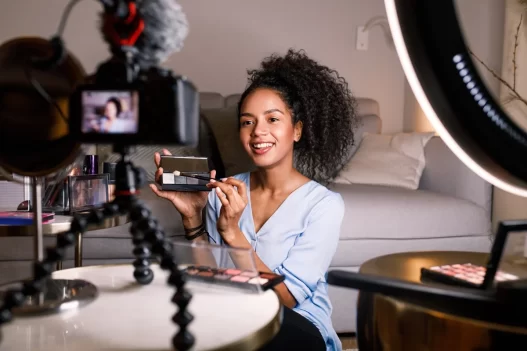
Over the past few years, the influence of culture in India has grown exponentially due to the rising number of smartphone users, cheap internet prices, and the credibility of peer-led online information. The current influencers influence consumer choices, the general opinion, and brand image, and can sometimes be even more influential than conventional advertising. Instagram has especially become the leading platform of influencer marketing because of its visual-based format, which most influencer marketing focuses on, as well as interactive features like reels and stories, in addition to seamless e-commerce integration.
Instagram content monetisation: paid partnerships, affiliate links, sponsored reviews, and brand ambassadorships have turned influencers into business participants. But this has been done at the cost of a lack of legal awareness. Most of the influencers do not know their legal responsibility in terms of advertising, consumer protection, intellectual property, and data privacy laws. This regulatory loophole has led to false advertising, hidden sponsored advertisements, copyright laws and information abuse.
Since Instagram influencers have a significant impact both economically and socially, there is an acute necessity for legal regulation that would guarantee transparency, accountability, and protection of consumers without suppressing creativity. The given article aims to interpret the legal system of Instagram influencers in India and discuss the problem of changing the digital marketing trends.
B. Who is An Instagram Influencer?
Legally, an Instagram influencer may be perceived as a person who creates digital content and collects people into buying or opinion using it, and in many cases, for some monetary or non-monetary reward. There are usually nano, micro, macro and celebrity influencers based on the number of followers and the level of engagement, but Indian law does not legally acknowledge these differences.
Influencers play various functions in law. To begin with, they engage in advertising where they offer visual and verbal promotion of products or services. Second, they are a form of endorser, which gives credibility and trust to the brands, projecting their own identity to marketed products. Third, influencers are content creators, and they create original digital content which can be patented according to the intellectual property legislation.
The influencers are included under the category of endorsers of the Indian consumer law when they promote products with consideration. This classification subjects one to a liability of honesty and due diligence. There should also be a critical difference drawn between the commercial and non-commercial content. Although there is more freedom when it comes to personal opinions that are posted without thought, sponsored content is to be disclosed and held liable to a greater degree. Lack of distinction between the two tends to result in misleading advertisements.
C. Advertising and Disclosure Laws
1. Consumer Protection Act, 2019
Influencer regulation in India is based on the Consumer Protection Act, 2019 (CPA). Section 2(28) identifies a misleading advertisement as any advertisement which falsely states facts about a product, makes false guarantees or intentionally omits material facts. This definition applies perfectly to the influencers who will promote products without any disclosure.
Section 21, CPA of the act provides the authorities with the power to impose penalties for misleading advertisements by the endorsers. Monetary fines and a temporary product endorsement ban may be applied to the influencers who are convicted. Notably, the act will impose due diligence requirements, which will require endorsers to ensure claims by brands before promotion. This clause becomes one step further on the curbing side of passivity to the active responsibility and has been emphasised in recent legal commentaries and regulatory studies.
2. ASCI Influencer Advertising Guidelines (2021).
In 2021, the Advertising Standards Council of India (ASCI) came up with certain influencer advertising guidelines to cover disclosure issues. These rules dictate disclosures to be clear and prominent, such as the use of hashtags like #ad or paid partnership, in cases where content is related to a material relationship with a brand. The information should be conspicuous, clear and technology suitable.
The rules are consistent across reels, stories, posts, and live sessions to make sure that influencers cannot avoid being disclosed by the adoption of ephemeral formats. Although they are clear, they are difficult to enforce because they lack statutory support and depend on voluntary compliance, as is the case in regulatory deliberations and policy reviews.
3. New directions and case studies.
More recent measures have involved notices of warnings, takedowns, and brand advisories of non-compliance to influencers. Scrutiny among the regulatory authorities is on the rise, which indicates a transition to a more responsible digital advertisement. Law commentary indicates that further failure to comply can ultimately result in more stringent statutory intervention.
D. Intellectual Property Rights and Influencers
1. Copyright issues
The postings made by influencers often contain copyrighted music, video clips, filters, and memes. Although Instagram also offers licensed music libraries, the unauthorized usage outside the terms of the platform can still be regarded as infringement. The fair use doctrine is not very protective, and it is restricted to commercial exploitation.
The rights to copyright of influencer-created work usually accrue to the influencer as opposed to a contractual assignment. Nonetheless, brand contracts typically entail transfer of ownership, and this causes conflicts when not properly written.
2. Trademark issues
Unofficially using brand logos, trade names, or even unique packaging, one may end up infringing the trademark. A lot of care should be taken by the influencers who do comparative advertisements because negative comments or false comparisons can lead to lawsuits. Law reviews point out that it is impossible to invoke the defence of opinion when commercial intent is obvious.
3. Fashion & content piracy
The infiltration of fashion influencer culture is content piracy, such as reposting without mention and copying designs. This is made worse by the lack of serious protection of design in India, where the creators are exposed to exploitation and watering down of originality.

E. Data Privacy and Personal Data Protection
Instagram influencers are also becoming more and more data-oriented in their interaction with their audiences by utilizing giveaways, contests, surveys, mailing lists, referral links, and affiliate marketing tools. During these activities, the influencers usually gather personal information like names, contact details, social media accounts, and even information in terms of location. Such activities initiate legal requirements in the Indian changing data protection regime. The right to privacy, which is understood as a basic right in Article 21 of the Constitution in Justice K.S. Puttaswamy v. Union of India, is applied to the digital arena and the digital interaction, therefore placing constitutional boundaries on how data is misused by private actors, including influencers.
The introduction of the Digital Personal Data Protection Act, 2023 (DPDP Act), represents a significant change in the direction of regulating the organization of personal data processing in India. The act requires legal consent, restriction of purpose and reasonable security protection when manipulating the personal data. The act may also impose compliance obligations on influencers that gather or otherwise handle personal data to their benefit in a commercial context, meaning that they can be treated as data fiduciaries. The inability to receive informed consent or share data with brands and third-party platforms without authorization may subject influencers to financial fines and reputational damages. The trend associated with the development of contemporary legal studies is that influencers must implement transparent data practices, as influencer marketing grows personalized and algorithmic.
F. Defamation, Hate Speech, and Content Liability
Influencers have significant power over the masses, and their views can have a strong influence on the image of people and brands. As much as freedom gives freedom to the influencers to voice their views, this is not complete freedom. Defamation under the civil and criminal law may include paid bad reviews, inflated statements or unproven accusations against a competitor or a person. Whenever money is concerned or even when there is a competitor in the brands, the line between personal opinion and defamatory content is crossed, which casts the intent and credibility into doubt.
In addition, influencers can be liable for spreading hate speech, virulent content, or inflammatory stories that contradict constitutional morality, criminal law, and the policies of the platforms. The legal impact of these contents can be achieved simultaneously, under the civil actions, criminal law, and contractual implications of the services by the platforms or brands. Due to the fast-growing rate of content in social media, the possible damage that irresponsible speech can inflict is multiplied, and therefore, influencers need to practice due diligence, make sure that claims are correct, and follow ethical standards in content creation.
G. Intermediary Rules Platform Liability
Instagram, being a digital platform that supports user-generated content in the context of the Information Technology Act, 2000, falls under the category of intermediaries. It also has an extension of protection under safe harbour, which protects it against third-party content liability as long as it meets all the statutory requirements. The Information Technology (Intermediary Guidelines and Digital Media Ethics Code) Rules, 2021 place responsibility on the platforms to develop grievance redressal systems, address the takedown requests, and assume due diligence in the content governance.
Although it remains the responsibility of influencers to bear the primary liability in the case of unlawful content, platforms are now playing a proactive role in ensuring that they pay attention to compliance, especially when the recurrence is recurring. The conviction of judicial and regulatory tendencies is a slow reduction in intermediary immunity in which platforms do not take action on contested content. This jurisprudential development is also part of the increased awareness that platforms are not just passive vectors when commercial content causes consumer or societal harm.
H. Governmental Obligations in Contracts Between Brands and Influencers
Contractual agreements have taken control in influencer marketing and outline the extent of rights, obligations, and responsibilities of the involved parties. Influencer contracts usually have disclosure provisions that require adherence to the law of advertising and the rules of the platform. Influencers are limited by morality clauses, which prohibit acting in a way that may harm the reputation of a brand, exclusivity and non-compete clauses, which deny the right to promote a competitor product within a certain time.
Dismissal terms and sanctions are essential towards dealing with non-conformity, false promotions or reputations. Yet, there are numerous influencers who sign the agreement without sufficient legal examination, which leads to an unclear scope and conflicts between ownership of the content, sharing of responsibility, and payment conditions. The increasing complexity of influencer agreements highlights the necessity of legal screening and unified contractual practices in the world of online advertising.
I. Enforcement Challenges
Even though there are frameworks, the practice of influencer obligations is still somewhat inconsistent. One of the biggest obstacles is that influencers, especially nano and micro influencers, do not have a legal awareness that they are occasionally perceived as non-business actors, but as casual content creators. The cross-border partnerships make the enforcement even more difficult because, in cases where the influencers, brands, and audiences are in various countries, jurisdictional matters will emerge.
Also, there is a lack of official registration or licensing of influencers, which would make it harder to regulate. The unregulated and rapid nature of the social media system makes it challenging to oversee and adhere to, and many offences remain undetected. These enforcement loopholes weaken the consumer protection goals and water down the deterrence goal of the available laws.

J. Comparative Analysis
A short comparative treatment indicates that jurisdictions like the United States and the United Kingdom have more definite enforcement systems. The US Federal Trade Commission (FTC) also applies the endorsement rules by taking appropriate laws, and the UK Advertising Standards Authority (ASA) is also effective in policing and punishing non-delivery. These models make the codified obligations and proactive enforcement effective.
Contrary to this, India depends highly on self-regulatory tools like asci guidelines, which, although progressive, have no legal enforceability. Comparing the comparative analysis indicates that India might gain by the adoption of obligations of influencers as stipulated by law, and thus achieve uniformity, responsibility, and consumer confidence.
K. Suggestions and Recommendations
To control the existing gaps, there should be mandated legal literacy programs for the influencers, especially those involved in commercial promotions. Increasing the enforcement capabilities of ASCI and harmonizing platform algorithms with disclosure compliance may help a lot to increase transparency. Monitoring and accountability could be made easier by the introduction of an influencer registration system or certification.
This is also to be accompanied by disparate rules on nano and micro influencers, as their cumulative effect on consumer behaviour is rising. There should be a moderate solution to responsible influencer marketing that entails a balance between education, regulation, and technological solutions without throttling creativity.
L. Conclusion
Instagram influencers have become less informal content creators and more influential digital stakeholders with the ability to influence consumer behaviour and discourse. Their legal liability needs to increase as their influence increases. A balance of creative freedom and legal responsibility is very important to protect consumers, maintain market integrity, and ensure the credibility of influencers. With the changing digital marketing landscape, which is rapidly changing in the modern world, the law should be comfortable, technology-aware, and ready for the new challenges.
References
- Consumer protection act, 2019
- Asci influencer guidelines, 2021
- IT act, 2000 & IT rules, 2021
- Digital personal data protection act, 2023
- https://www.vintagelegalvl.com/post/legal-consequences-of-social-media-influencers-disclosures-and-endorsements-in-india#:~:text=the%20cpa’s%20regulations%20require%20all,are%20possible%20outcomes%20of%20noncompliance
- https://www.researchgate.net/publication/391867703_the_rise_of_legal_influencers_communication_strategies_on_social_media
- https://guides.loc.gov/influencer-marketing/regulations
- https://lexclaim.com/blog/2026/01/13/legal-rights-of-social-media-influencers-under-indian-law/
- https://www.jusscriptumlaw.com/post/understanding-legal-accountability-in-influencer-marketing-and-consumer-protection-in-india
- https://www.ijfmr.com/research-paper.php?id=45519
- https://www.jusscriptumlaw.com/post/understanding-legal-accountability-in-influencer-marketing-and-consumer-protection-in-india
- https://www.azbpartners.com/bank/looks-like-content-acts-like-ads-the-legal-risk-in-e-commerces-influencer-economy/