

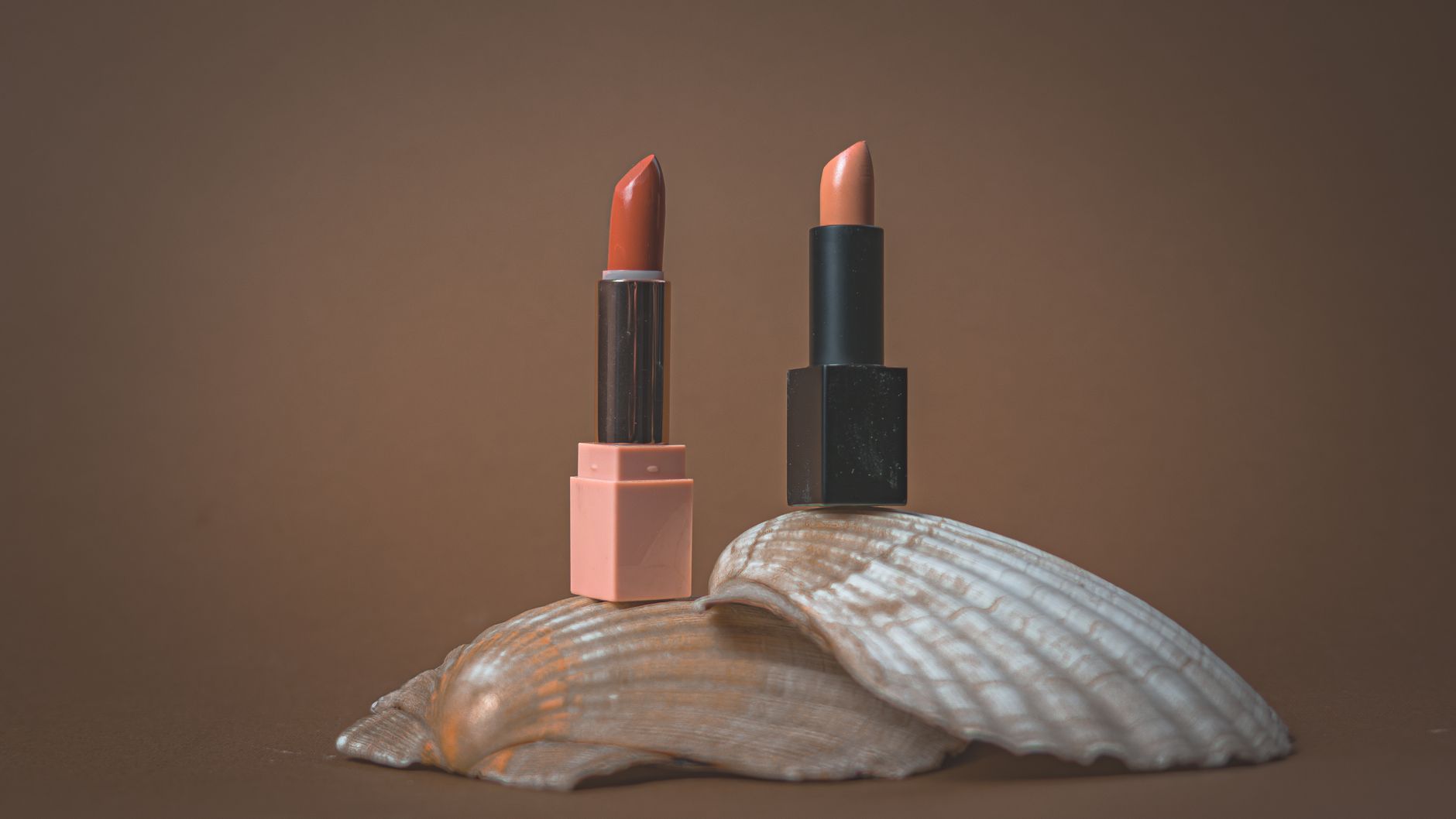
A dupe is a lower priced product designed to look, feel, or perform like a well known branded item, but sold under its own name rather than the original brand’s trademark. That distinction is what usually keeps dupes on the legal side of the line. Dupes cross into illegal territory when they copy a protected logo, mimic a legally protected product design closely enough to confuse shoppers, or when marketing about the dupe makes false claims about quality or price.
What Is a Dupe, Exactly?
Dupes are replicas of high-end fashion products, not claiming to be identical to their expensive originals, but rather offering cheaper alternatives to original luxury products. Dupes often take inspiration from popular designs, and while they aim to replicate the style and feel of the original product closely, they don’t claim to be the original.
The word has become a marketing term as much as a descriptive one. Social platforms turned “dupe culture” into a shopping habit, and that same visibility is what now draws lawyers’ attention. Our earlier coverage of why shoppers choose lookalikes over the original looks at the consumer side of that trend.
Dupe vs. Counterfeit: Where Does the Line Fall?
The dupe versus counterfeit distinction is the one courts actually care about. Counterfeit goods present themselves as genuine, often reproducing a brand’s trademarks to deceive consumers into believing they’re buying authentic products, and counterfeit sales are illegal under both federal and state law. Dupes, by contrast, do not claim to be the real item and avoid using protected trademarks, placing them in a legal gray zone.
Not everyone uses the word the same way, which adds to the confusion. For another set of users, a dupe is quite simply a counterfeit, since counterfeits replicate well-known brands’ registered trademarks or logos. That drift in meaning is part of why brand owners now have to check what a seller actually did, not just what they called their product.
| Feature | Dupe | Counterfeit |
|---|---|---|
| Uses brand’s logo or trademark | No | Yes |
| Claims to be the original | No | Yes, or implies it |
| Legal status in the US | Generally legal | Illegal |
| Typical legal exposure | False advertising, trade dress, dilution | Trademark counterfeiting, criminal liability possible |
When Do Dupes Actually Break the Law?
Producing dupes is legal as long as the products are branded and marketed appropriately, because dupes do not have identical branding as the original product and do not purport to be those premium products, with a logo different enough to avoid consumer confusion. Comparative advertising is also permissible under trademark law, making it legal for a duping company to demonstrate that it is superior to a higher-end product due to its affordability.
Three routes turn a lawful lookalike into an infringing one:
- Trademark infringement. Under the Lanham Act, owners of federally registered marks are protected against the unauthorized use of similar marks, and to succeed, senior trademark holders must demonstrate that a dupe confuses consumers into believing the product is genuine, affiliated with, or endorsed by the brand. The statute itself is set out at 15 U.S.C. § 1125, the federal false designation of origin and dilution provision.
- Dilution. When a dupe allegedly weakens a brand’s distinctiveness or harms its reputation, trademark dilution may also apply.
- False advertising. Even without a trademark claim, a seller can be liable for lying about what its product actually is, as the newest wave of litigation shows.
For designers wondering what protection actually exists before a dispute starts, it helps to understand when copyright registration is worth pursuing, since design elements like prints and patterns can qualify even when the overall silhouette cannot.
What Does Williams-Sonoma v. Quince Tell Us?
The clearest recent example of this shift is the home goods sector, not apparel. Williams-Sonoma sued Quince, a retailer sometimes known as a “dupe” company, accusing it of misleading consumers by selling similar-looking but inferior products and selling them for less, alleging that Quince engages in false advertising by depicting specific beds, cookware, duvet covers, rugs and other items. That lawsuit alleged trademark and trade dress infringement in a separate case, while Williams-Sonoma’s suit against Quince does not.
Williams-Sonoma is asking for treble damages, among other remedies, alleging false advertising and unfair competition. Quince has fought back. In its bid to have the case thrown out, the retailer says its ads never claim the products are identical, that Williams-Sonoma has lifted marketing lines out of context, and that the complaint offers no testing or analysis to support its claims of inferior quality. A federal judge in California has since dismissed the claims, finding no plausible showing of false or misleading advertising, although Williams-Sonoma can still amend its complaint.
Lawyers following the case describe it as a template for what comes next. Barnes & Thornburg partner Caitlin Byczko called false advertising claims the “next frontier” of lawsuits as dupes become more sophisticated, better avoiding trademarks, trade dress, design patents, and copyrights. A Saul Ewing partner noted that comparative advertising is perfectly legal if done carefully and correctly, according to Bloomberg Law’s report on the case. Fashion Law Journal has covered the mechanics of that shift in more detail in our analysis of how the Quince litigation is redefining comparative advertising claims.
Full docket details and reporting on the underlying complaint are available through Law360’s coverage of the filing.
Can You Get in Trouble for Buying a Dupe?
For the ordinary shopper, buying a genuine dupe carries little legal risk domestically, since liability sits with the seller, not the buyer. The calculation changes when the item is actually a counterfeit bearing a copied trademark, particularly when purchased overseas and brought home. Anyone unclear on that distinction should read how customs rules treat fakes purchased on a trip abroad, since import enforcement operates on a different legal basis than a domestic false advertising claim.
How Are Brands Fighting Back?
Brand owners increasingly combine legal enforcement with monitoring rather than relying on one lawsuit to solve the problem. That layered approach, and the practical routes available to in-house counsel, is covered in our piece on what a fashion brand protection lawyer’s job actually involves. Litigation itself remains slow and expensive, which is why so many companies now pair it with faster tools like platform takedown requests and marketplace agreements. For a broader look at how these disputes actually play out once they reach a courtroom, see what fashion litigation disputes really look like in practice.
Academic commentary has tracked the same tension. Reports have noted a rise in the use of the term, related hashtags, and assorted intentional misspellings to help shoppers find counterfeits and work around filters, according to the NYU Journal of Intellectual Property & Entertainment Law. That means brand owners now police language on social platforms almost as closely as they police physical products.
Frequently Asked Questions
Is it illegal to sell a dupe?
Selling a dupe is generally legal in the United States because copying a product’s overall look is not the same as copying a trademark. A dupe becomes illegal when it uses a brand’s protected logo or trade dress in a way that confuses consumers, or when the seller makes false claims about the product’s quality or origin.
Is it illegal to buy a dupe?
Buying a true dupe is legal for the consumer. Liability generally falls on the seller or manufacturer, not the shopper, unless the item is actually a counterfeit carrying a fake trademark, which can create separate customs and import issues when bought abroad.
What is the difference between a dupe and a counterfeit?
A dupe copies the style, function, or aesthetic of a branded product but uses its own name and branding, so shoppers know it is not the original. A counterfeit copies the brand’s actual trademark or logo to trick consumers into thinking they are buying the genuine item, which is illegal under federal and state law.
Can a company get sued for calling its product a dupe?
Yes. Even if the product itself does not infringe a trademark, a company can be sued for false advertising if it makes inaccurate claims about price comparisons, quality, or materials while marketing something as a dupe of a specific branded product.
This article is general information about fashion and intellectual property law, not legal advice for any specific situation.
FASHION LAW JOURNAL INSIDER
Join designers, brand founders and fashion lawyers who get the biggest brand battles, IP fights and career moves in fashion law, straight to their inbox.